 5 min read
 How to Reduce Screen Time Without Tantrums
It’s about control, emotions, and who gives in first. Most parents think the solution is stricter rules, louder reminders, or cutting screens completely. But that often makes things worse. The more we push, the more children resist. What if the real solution isn’t more control… but less talking?

The Real Struggle Isn’t Screens—It’s the Fight Around Them
Every parent reaches that moment.
You say, “Okay, enough screen time.”
Your child doesn’t move.
You repeat it.
They protest.
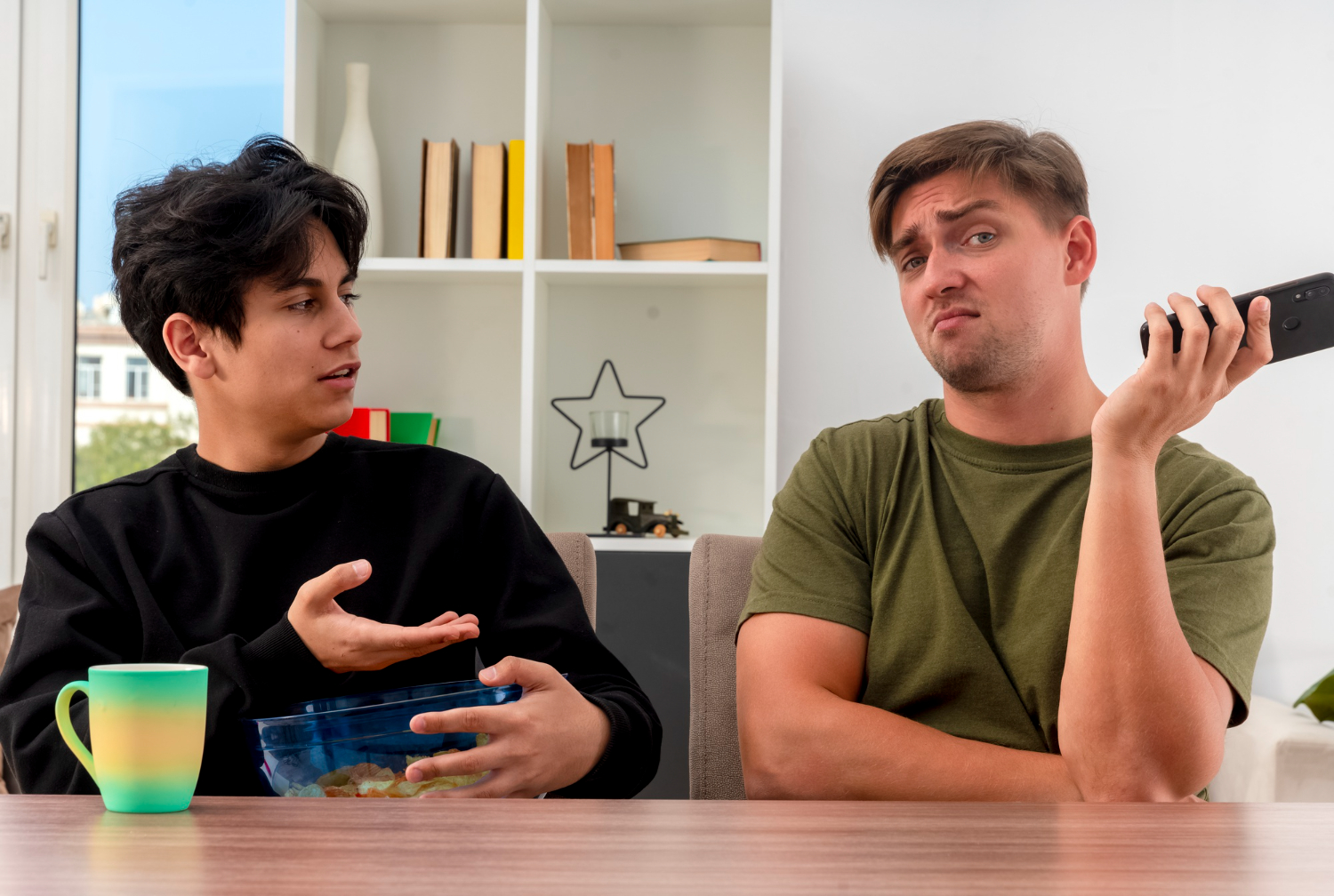
Within seconds, it turns into negotiation, frustration, or a full meltdown.
And suddenly, it’s not about the screen anymore. It’s about control, emotions, and who gives in first. Most parents think the solution is stricter rules, louder reminders, or cutting screens completely. But that often makes things worse. The more we push, the more children resist.
What if the real solution isn’t more control… but less talking?
This is where the “No-Fight” Rule comes in—a simple shift that changes how children respond without creating daily battles.
What Is the “No-Fight” Rule?
The No-Fight Rule is based on one powerful idea:
The more we talk, explain, warn, and repeat… the more children resist. It doesn’t mean being silent or passive. It means being clear, calm, and minimal.
Instead of:
- repeating instructions
- giving long explanations
- escalating your tone
You reduce your words and increase your presence. Because for children, too many words don’t feel like guidance—they feel like pressure.
Why Saying Less Actually Works
When a child is deeply engaged in a screen, their brain is already highly stimulated. Fast visuals, constant rewards, and quick changes make it hard for them to shift focus.
Now imagine what happens when we add:
- repeated instructions
- emotional tone
- urgency
It overwhelms them further. Instead of processing your words, they react to your energy.
This is why you’ll notice something interesting:
The more you insist, the slower they respond.
But when you stay calm and brief, something shifts. Your child doesn’t feel attacked or pressured. And that lowers resistance. Children are far more likely to cooperate when they don’t feel controlled.
The Hidden Problem With Explaining Too Much
Parents often believe that if they just explain better, their child will understand and cooperate.
So they say things like:
“Too much screen time is not good for your eyes.”
“You’ve already watched for so long.”
“You need to listen.”
All of this makes sense logically. But here’s the catch—young children don’t respond to logic in emotional moments. They respond to tone and experience. Long explanations during screen time feel like interruptions, not guidance. And interruptions trigger resistance. So instead of helping, too many words actually prolong the struggle.
What Happens When You Start Using Fewer Words
When you reduce your words, three things begin to change:
First, your child starts taking your words more seriously. If you’re not constantly repeating, your instructions carry more weight.
Second, you stay calmer. Fewer words mean fewer chances of raising your voice or getting frustrated.
Third, your child feels less pressure. And when pressure reduces, cooperation increases. It’s a quiet shift, but a powerful one.
How to Use the “No-Fight” Rule in Real Life
Let’s make this practical. Imagine your child is watching a video, and it’s time to stop.
Instead of:
“Okay, turn it off now… I said turn it off… why are you not listening… this is the last time I’m saying…”
Try this approach:
Walk closer.
Get to their level.
Make eye contact.
Say one calm sentence:
“Screen time is over.”
And then pause. No extra explaining. No repeating immediately. No frustration. Give them a moment to process. If they don’t respond, you gently follow through—without adding more words. This pause is important. It gives space for cooperation instead of forcing it.
Why Tone Matters More Than Words
Children don’t just hear what you say—they feel how you say it. You can say the right sentence, but if your tone carries irritation, urgency, or anger, the child reacts to that instead. A calm tone signals safety. And when a child feels safe, they are more likely to cooperate—even if they don’t like the instruction. So the goal is not just fewer words, but softer delivery.
The Power of Being Predictable
One reason conflicts happen is because screen endings feel sudden to children. If today you allow extra time, tomorrow you stop abruptly, and the next day you negotiate—your child doesn’t know what to expect. And unpredictability creates resistance. When you combine the No-Fight Rule with consistency, something changes.
Your child starts understanding:
“This is how it works.”
Not because you explained it a hundred times, but because they experienced it repeatedly.
What If Your Child Still Resists?
Let’s be real—there will still be moments when your child doesn’t cooperate. That doesn’t mean the method isn’t working. It means your child is adjusting. In those moments, the goal is not to win the situation. It’s to not turn it into a fight.
Stay calm.
Stay consistent.
Avoid adding more words or emotion.
Because the moment you react strongly, the situation escalates again. Over time, children learn that resistance doesn’t lead to negotiation or extended screen time. And slowly, cooperation becomes easier.
Breaking the Habit of Repeating Yourself
Many parents fall into a pattern of repeating instructions multiple times. Not because they want to—but because they feel ignored.
But repetition teaches children something unintentionally:
“I don’t need to listen the first time.”
The No-Fight Rule breaks this cycle. When you say it once, calmly, and follow through without extra noise, your words gain meaning again.
Why This Approach Builds a Stronger Parent-Child Relationship
When daily screen time doesn’t turn into a battle, something deeper improves. Your child doesn’t see you as someone who constantly nags or controls.
Instead, they begin to see you as:
- calm
- predictable
- trustworthy
And this matters far beyond screens. Because the way you handle small daily moments shapes long-term behaviour.
The First Few Days: What to Expect
If you start using this approach, the first few days might feel unusual. You may feel like you’re “not doing enough.” Your child may test boundaries. That’s normal. You’re changing a pattern that both of you are used to.
But if you stay consistent, you’ll begin to notice:
- fewer repeated instructions
- shorter conflicts
- quicker cooperation
Not instantly—but gradually.
A Simple Shift That Changes Everything
The No-Fight Rule doesn’t require complicated strategies or strict discipline.
It’s a small shift:
Less talking.
More calm presence.
Clear actions.
And sometimes, the simplest changes create the biggest impact. Because in parenting, it’s not always about doing more. Sometimes, it’s about doing less—more intentionally.
Conclusion: Peace Over Power
Reducing screen time without conflict is not about control. It’s about connection, clarity, and consistency. When you stop trying to force cooperation and start creating space for it, your child responds differently. And slowly, the daily battles begin to fade.
Not because you demanded it—but because you changed the way you showed up.

Parent With Purpose
Parent with Purpose is your trusted parenting resource, offering expert advice, practical tips, and real experiences from fellow parents. Our content is organized by your child’s age, from pregnancy to the teen years, ensuring guidance that’s relevant to your current stage. Learn through articles, videos, podcasts, and courses that fit your lifestyle. We also provide carefully curated book lists, meal plans, product recommendations, and India-focused resources to make parenting easier and more informed.