 4 min read
 How to Reduce Screen Time Without Resistance: The 10-Minute Connection Trick Every Parent Should Know
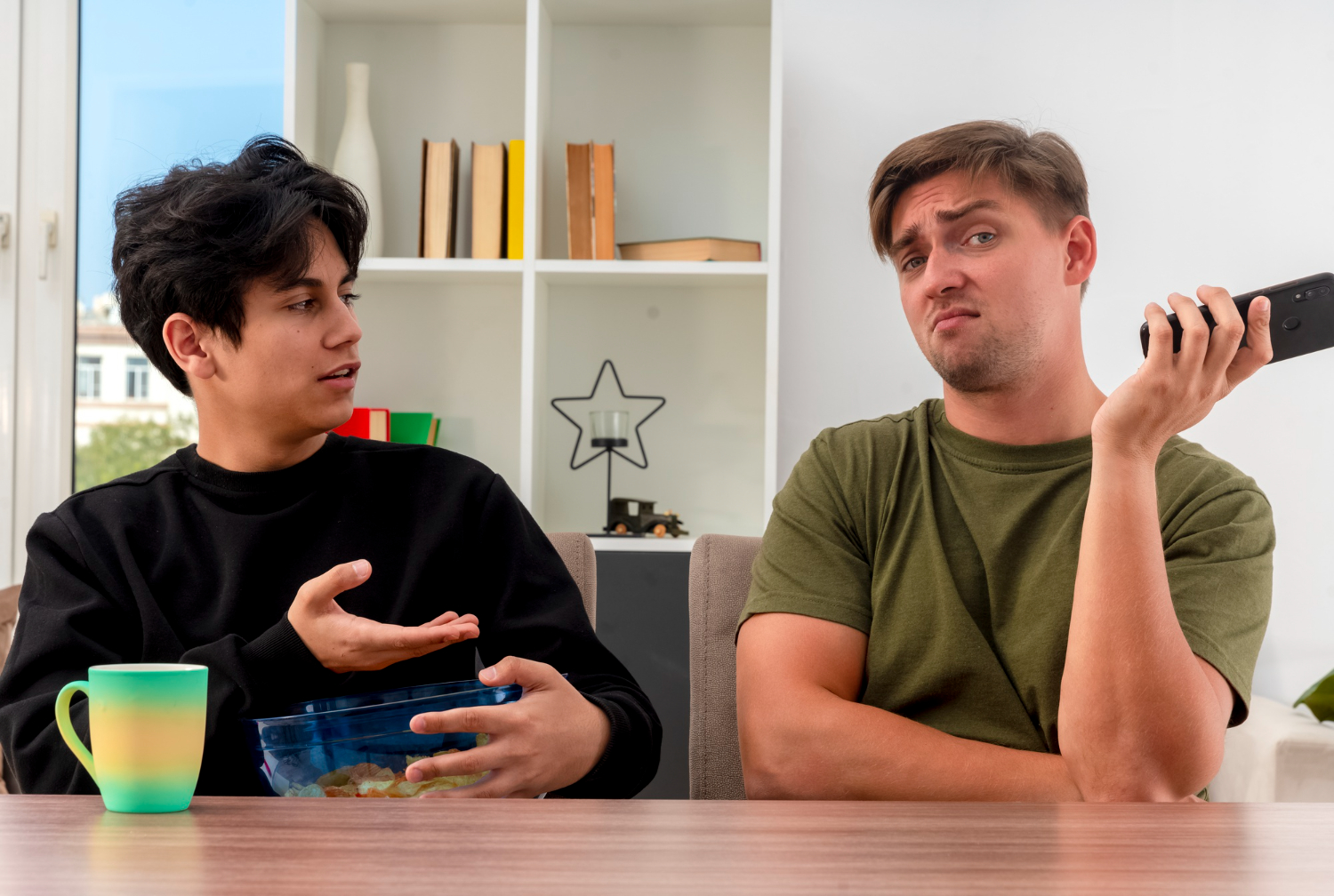
Most screen time struggles don’t begin when you say, “Turn it off.” They begin much earlier. They begin in the small gap between you and your child— a gap that often goes unnoticed during a busy day.

The Part Parents Usually Skip
Most screen time struggles don’t begin when you say, “Turn it off.” They begin much earlier.They begin in the small gap between you and your child-
a gap that often goes unnoticed during a busy day.Your child is on a screen. You’re doing something else. There’s no problem… until there is. And then suddenly, when you step in to end it, it feels like you’re interrupting something important. Because you are. But not just the screen. You’re interrupting the only place, in that moment, where your child feels fully engaged.
Why Children Hold On So Tightly to Screens
It’s easy to assume that children resist because screens are addictive or entertaining. But there’s another layer that often gets missed. Screens give children something very specific: A sense of uninterrupted attention. The content doesn’t get distracted. It doesn’t say “wait.” It doesn’t multitask.
For a child, that steady stream of engagement feels complete. Now compare that with their real environment. Parents are busy. Conversations are short. Attention is divided. So when screen time ends suddenly, it’s not just about losing entertainment. It’s about losing that feeling of being fully absorbed in something.
The Missing Link: Connection Before Direction
This is where most approaches fall short. Parents try to guide behaviour without first reconnecting emotionally. So when the instruction comes, it feels like a command from a distance. And children resist distance. But when connection comes first, the instruction feels different. It feels like it’s coming from someone who is with them, not against them.
What the “10-Minute Connection Fix” Really Means
This is not about setting a timer for ten minutes. It’s about intentionally stepping into your child’s world before asking them to step out of it. Those few minutes act like a bridge. Instead of pulling your child away from the screen, you meet them where they are-and then guide them out. It changes the entire emotional tone of the moment.
Entering Their World Instead of Interrupting It
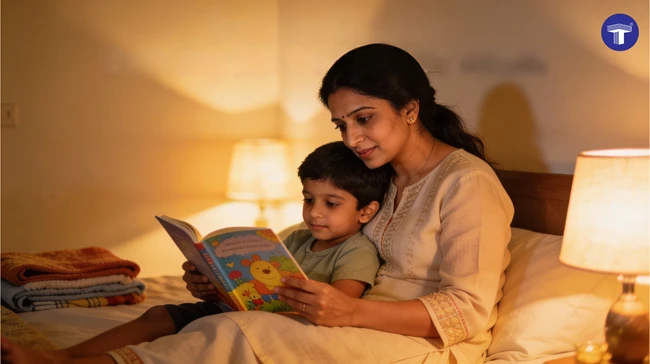
Imagine this. Your child is watching something. Instead of calling out from another room, you come and sit beside them. You observe. You notice. You show interest in what they are engaged in. You don’t rush the ending. You allow yourself to be present within their current focus. This simple act sends a powerful message:“I see you. I’m here with you.”And once a child feels seen, they are more open to shifting.
Why This Reduces Resistance So Strongly
When children are deeply involved in something, they don’t want to be pulled out abruptly. But if someone joins them first, the transition feels shared-not forced. Connection softens the boundary.It turns the moment from:“You vs me”Into:“We are doing this together”And that subtle shift reduces the need for resistance.
The Science Behind Emotional Readiness
Children’s brains move between states. There is a state of high engagement (like screen time), and a state of calm interaction. Jumping directly from one to the other is difficult. But connection acts as a middle step. It helps the brain slow down gradually. So when the screen ends, the child is not being forced into a completely different state-they are already halfway there.
Why Rushing Makes Everything Harder
Parents are often in a hurry.“Finish this quickly.”“Turn it off now.”“Come on, let’s go.”But urgency creates friction. Because the child hasn’t had time to adjust. The faster you try to end screen time, the harder your child holds on. Slowing down, even slightly, reduces that tension.
The Power of Shared Attention
There’s something deeply regulating about shared attention. When you focus on the same thing your child is engaged in, even briefly, it creates alignment. You’re no longer on opposite sides. And once that alignment is there, guiding your child becomes easier. Because they feel like you understand their experience.
What Happens When Connection Is Skipped
When connection is missing, instructions feel sudden. Children go from being fully engaged to being told to stop-without any transition. That sharp shift creates discomfort. And discomfort leads to resistance. So what looks like disobedience is often just a reaction to an abrupt change.
How This Changes Your Role as a Parent
Instead of being the one who ends screen time, you become the one who guides the ending. That’s a very different role. You are not interrupting. You are accompanying. And children respond very differently to someone who is with them.
The Subtle Confidence It Builds in Children
When transitions happen through connection, children start feeling more secure. They know that change doesn’t happen suddenly or harshly. They trust the process. And that trust reduces anxiety around transitions-not just for screens, but for other parts of their day too.
What If You Don’t Have Time for This Every Day
This is a real concern. Parents are busy, and not every moment allows for extra time. But the idea is not to do this perfectly every time. It’s to do it intentionally when possible. Even a short moment of connection can make a noticeable difference. Because it’s not about duration-it’s about presence.
Why This Feels Different From Other Strategies
Most strategies focus on behaviour. This approach focuses on the relationship behind the behaviour.Instead of asking:“How do I make my child listen?”It asks:“How do I make this moment feel easier for my child?”And that question leads to very different actions.
What You Might Notice Over Time
When you begin using connection before ending screen time, small shifts start appearing. Your child may still hesitate-but the intensity reduces. The transitions feel less abrupt. There is less back-and-forth. And slowly, cooperation begins to replace resistance. Not because your child is forced to comply-but because the process feels better.
Conclusion: Don’t Start With “Switch It Off”
The moment you say “Switch it off” is not the beginning. It’s the final step of a process. And what happens before that moment decides how your child will respond. When you take a few minutes to connect first, you’re not delaying the transition. You’re making it smoother. Because children don’t resist boundaries as much as they resist disconnection.So the next time screen time needs to end, pause for a moment.Step in.Connect.Then guide.And you may find that what once felt like a struggle…starts feeling surprisingly calm.

Parent With Purpose
Parent with Purpose is your trusted parenting resource, offering expert advice, practical tips, and real experiences from fellow parents. Our content is organized by your child’s age, from pregnancy to the teen years, ensuring guidance that’s relevant to your current stage. Learn through articles, videos, podcasts, and courses that fit your lifestyle. We also provide carefully curated book lists, meal plans, product recommendations, and India-focused resources to make parenting easier and more informed.