 2 min read
 Garba with Kids - How to Involve Children in the Most Joyful Nine Nights of the Year (2026)
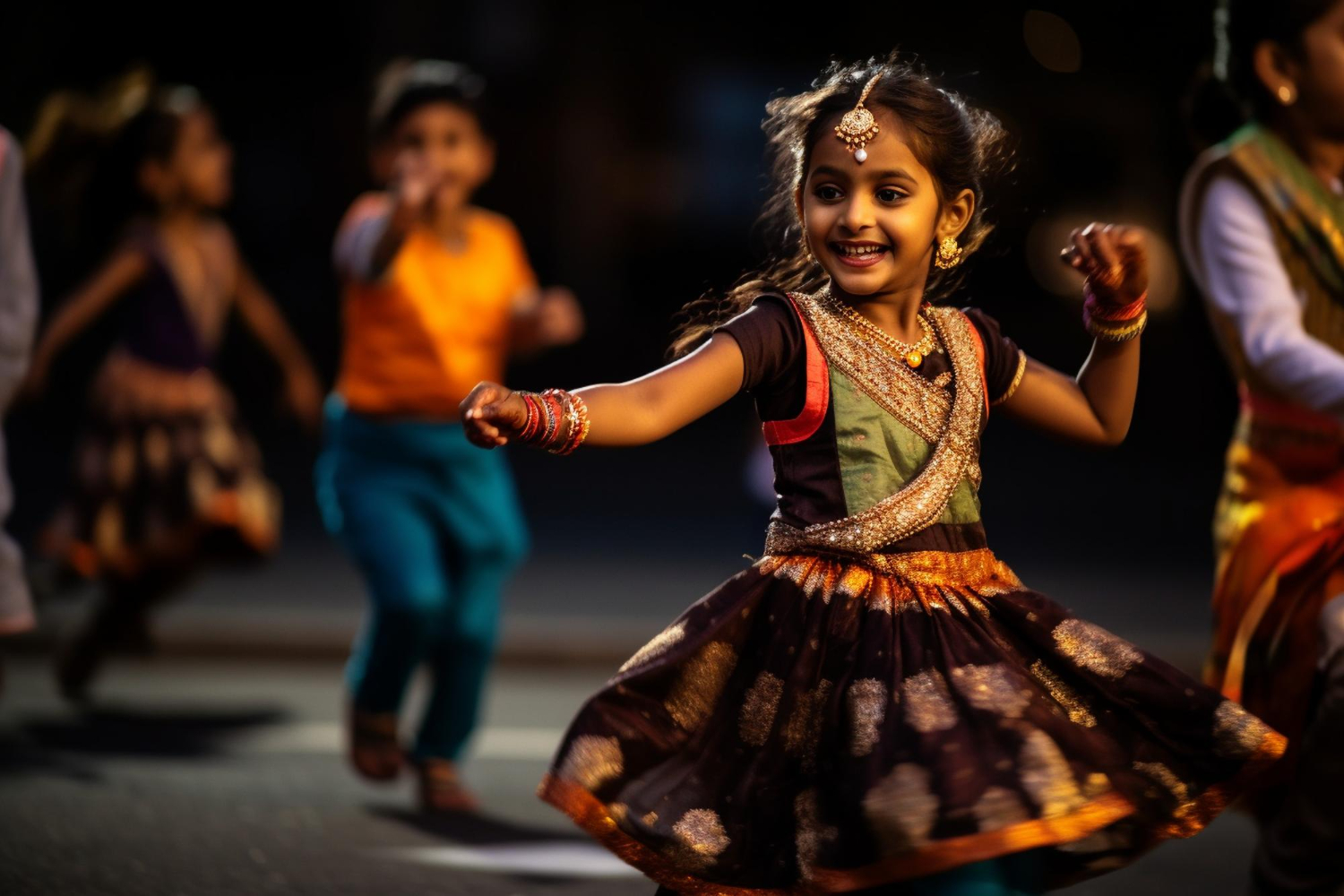
There is no more joyful sound than a small child attempting garba for the first time - the determined little steps, arms flinging in slightly the wrong direction

There is no more joyful sound than a small child attempting garba for the first time - the determined little steps, arms flinging in slightly the wrong direction, the delight on their face when the music speeds up. Garba is not just dancing. For children, it is their first experience of moving in community, of belonging to something larger than themselves, of faith expressed as joy.
By Age - What Children Can Do and When
|
Age |
What They Can Do |
How to Involve Them |
|
0-18 months |
Watch, absorb music, feel the movement |
Carry in arms or carrier during first garba rounds |
|
18m-3 years |
Clap, sway, toddle around |
Let them 'dance' freely - joy is the goal, not steps |
|
3-5 years |
Simple side-step and clapping |
Teach the basic two-step and hand clap - 3 steps is enough |
|
6-9 years |
Full garba steps, slow to medium pace |
Teach the basic garba hand pattern: in-in-out-out with clap |
|
10-14 years |
Full garba, dandiya, group formations |
Enrol in Navratri garba class or join community practice sessions |
|
15+ years |
Full involvement, can lead |
They likely know more than you - let them teach you |
Basic Garba Steps to Teach Your Child
Step 1: The Three-Clap (Ages 3+)
Stand in a small circle. Clap: one in front of body, one to the right side, one above head. Repeat. Walk slowly clockwise while clapping. This is genuinely all that Day 1 garba looks like - and children love it.
Step 2: The Tali Step (Ages 5+)
Two steps right, two steps left, while doing the 3-clap pattern. Once comfortable, add a turn on the last clap. Practise 5 minutes every evening in the week before Navratri with a garba song playing.
Dandiya for Older Children (Ages 8+)
Tap your own sticks together once, then your partner's right stick, then their left. Repeat in rhythm. Start with a slow song and build speed. Begin with family at home before attempting community dandiya.
Garba Songs That Work Best for Teaching Children
- 'Rame Rame Govind Rame' - slow, steady, perfect for beginners
- 'Chogada Tara' (Loveyatri) - children already know this, makes it immediately accessible
- Any Falguni Pathak song - she is the Queen of Garba for a reason: steady tempo, clear rhythm
- 'Jalkar Aave Tharo Pagal' - moderate tempo, very popular across India
Home Garba Night - Making It Special Without Going Out
- Clear the living room furniture - the floor is the garba ground
- Set up a central diya or the Goddess's image at the centre
- Play garba music on speakers - Spotify and YouTube have excellent playlists
- Dress up: chaniya choli or kurta-churidar, traditional jewellery, children in their Navratri outfits
- Invite grandparents - they know the old garba songs not on Spotify, children love learning from them
- Keep it to 30-45 minutes for young children, then prasad and bedtime
- End with aarti together before closing - this is the ritual container, not an afterthought

Parent With Purpose
Parent with Purpose is your trusted parenting resource, offering expert advice, practical tips, and real experiences from fellow parents. Our content is organized by your child’s age, from pregnancy to the teen years, ensuring guidance that’s relevant to your current stage. Learn through articles, videos, podcasts, and courses that fit your lifestyle. We also provide carefully curated book lists, meal plans, product recommendations, and India-focused resources to make parenting easier and more informed.