 5 min read
 Fast Content, Slow Thinking: How Screens Reduce Focus
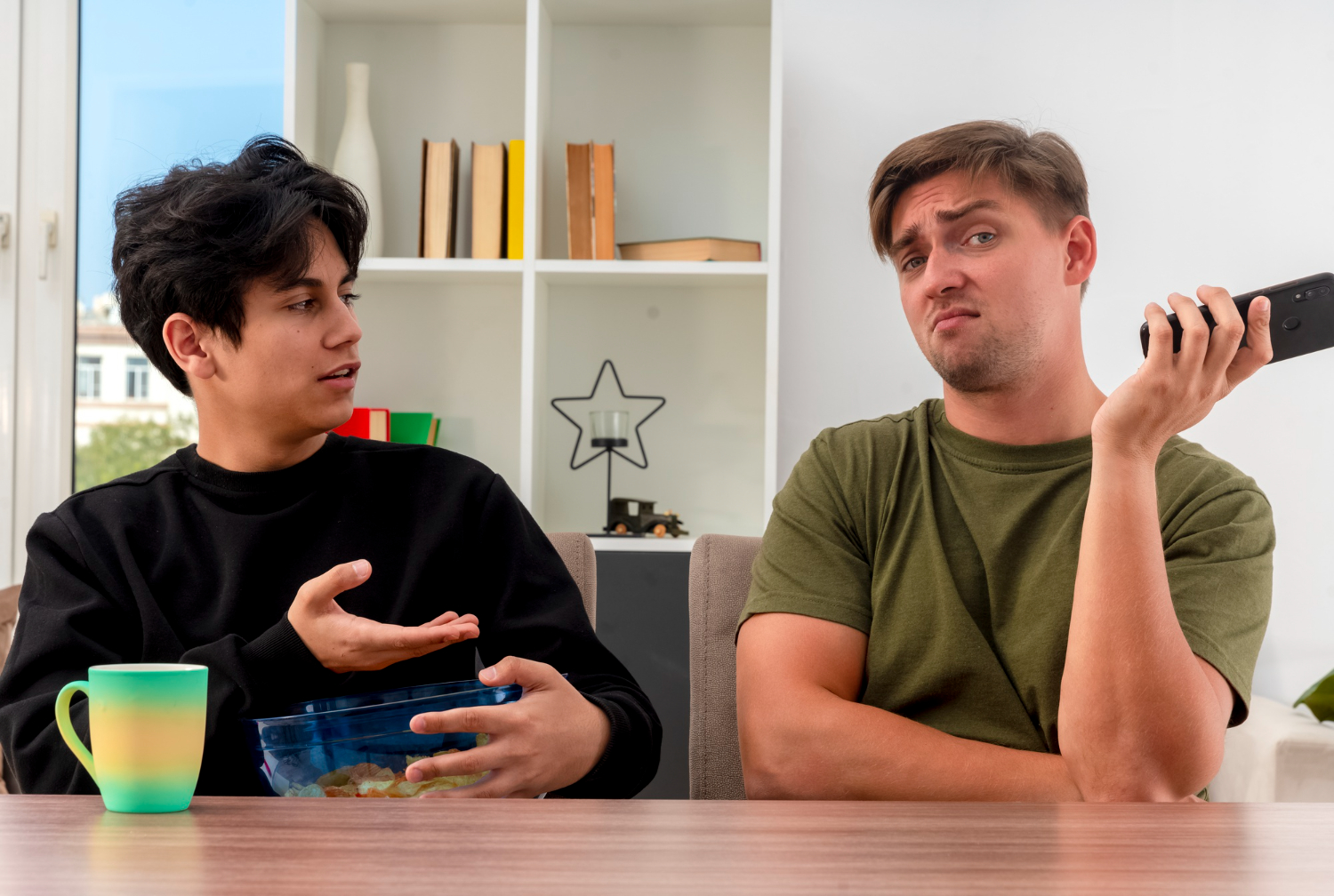
You sit your child down to do something simple — maybe homework, reading, or even a small activity. Within minutes, their attention drifts. They get restless. They look around. They lose interest. But the same child can sit for long periods watching short videos, cartoons, or scrolling endlessly without complaint.

This contrast leaves many parents wondering: “If my child can focus on a screen, why can’t they focus on anything else?”The answer lies not in the child’s ability to focus - but in how their brain is being trained to focus. Because not all attention is the same. And not all forms of “focus” are equal.
The Illusion of Focus
When a child watches fast-paced content, it looks like deep concentration.They are:
- Still
- Quiet
- Fully engaged
- Not easily distracted
This often feels like strong focus. But in reality, this is a different kind of attention - one that is being captured, not created.Fast content does most of the work:
- It changes scenes quickly
- It introduces new visuals constantly
- It keeps the brain stimulated without effort
The child does not need to actively sustain attention. The content is designed to hold it automatically. This is called passive attention.
In contrast, real-life tasks require active attention - where the child must:
- Stay engaged without constant stimulation
- Work through boredom
- Bring their focus back when it drifts
This type of attention is what builds long-term focus skills.
The Speed Problem
Modern digital content is fast.
Very fast.
- Scenes change every few seconds
- Visuals are bright and dynamic
- Sounds are engaging and continuous
- New content is always available instantly
This pace is far quicker than real life.
In the real world:
- Conversations unfold slowly
- Learning requires repetition
- Activities take time to complete
When a child’s brain gets used to high-speed input, it starts to expect that level of stimulation. So when faced with slower activities, the brain reacts differently.It may feel:
- Bored
- Under-stimulated
- Restless
This doesn’t mean the activity is uninteresting - it means the brain has adapted to a different speed.
The Brain Adapts to What It Experiences
A child’s brain is constantly learning from patterns.
If a child repeatedly experiences:
- Fast-moving visuals
- Instant changes
- Quick rewards
the brain begins to wire itself around those patterns. This affects how attention systems develop.
Instead of learning to:
- Stay with one task
- Process information deeply
- Build concentration over time
the brain becomes efficient at:
- Switching quickly
- Scanning for new input
- Responding to constant change
This is useful for navigating fast content - but not for tasks that require sustained thinking.
Shallow Engagement vs Deep Thinking
Fast content often encourages surface-level processing. The brain is reacting to what it sees, but not necessarily analyzing, questioning, or reflecting deeply.This is very different from activities that promote deep thinking, such as:
- Reading a story
- Solving a problem
- Building something
- Engaging in imaginative play
These activities require the brain to:
- Hold information
- Connect ideas
- Think step by step
When children spend more time in fast-content environments, they may have fewer opportunities to practice this deeper level of thinking.
Over time, this can affect:
- Problem-solving ability
- Logical reasoning
- Creative thinking
The Constant Reward Cycle
Fast content is designed to keep the brain engaged through continuous rewards.
- A funny moment
- A surprising twist
- A new video
- A quick change
Each of these provides a small sense of satisfaction.
This creates a pattern where the brain starts to expect:
- Frequent rewards
- Constant novelty
- Immediate engagement
In contrast, real-world tasks often involve delayed rewards.
For example:
- Completing homework requires effort before satisfaction
- Learning a skill takes time before improvement is visible
When the brain becomes used to quick rewards, it may struggle with activities that require patience.
This can lead to:
- Giving up quickly
- Losing interest easily
- Avoiding tasks that feel “slow”
Attention Span: Built, Not Given
Attention span is not something fixed. It develops over time through practice.
Children build focus by:
- Engaging in tasks that require effort
- Working through distractions
- Returning to a task when attention drifts
These small moments strengthen the brain’s ability to concentrate. But when a large portion of time is spent on fast-paced screens, the brain gets less practice in sustaining attention.
Instead, it practices:
- Switching focus
- Reacting quickly
- Seeking new stimulation
Over time, this can reduce the ability to stay with one task for longer periods.
The Boredom Gap
One of the most overlooked aspects of focus is the role of boredom. Boredom is not a problem - it is a starting point.
When a child feels bored, the brain begins to:
- Look for something to do
- Create ideas
- Engage in self-directed activity
This process strengthens imagination and independent thinking. But fast content removes boredom completely. There is always something happening. Always something new. So the brain does not need to generate its own engagement.
Over time, this can lead to:
- Difficulty handling unstructured time
- Reduced creativity
- Dependence on external stimulation
When faced with a slower activity, the brain may not know how to engage.
Multitasking and Fragmented Attention
Screens often encourage multitasking:
- Watching while eating
- Switching between apps
- Playing games while listening to something else
This creates a pattern of fragmented attention.The brain becomes used to dividing focus instead of sustaining it. While it may feel efficient, this type of attention reduces the depth of processing. Tasks that require full focus may feel harder because the brain is used to splitting its attention.
The Transition Challenge
Moving from fast content to slower tasks can be difficult.
The brain shifts from:
- High stimulation
- Constant engagement
- Rapid input
to:
- Slower pace
- Less stimulation
- Need for self-driven focus
This transition requires effort. For children, whose brains are still developing, this effort can feel uncomfortable.
So they may:
- Resist starting tasks
- Lose interest quickly
- Seek to return to screens
This is not laziness - it is the brain adjusting to a different mode of functioning.
Does This Mean Screens Destroy Focus?
Not necessarily. Screens themselves are not the issue in isolation.
The impact depends on:
- Type of content
- Speed of content
- Amount of exposure
- Balance with real-world activities
Slow-paced, meaningful content may have a different effect compared to rapid, highly stimulating media. The concern arises when fast content becomes the dominant experience. Because the brain adapts to what it experiences most frequently.
What Is Being Replaced?
An important question to ask is not just “how much screen time,” but “what is screen time replacing?”
If screens replace:
- Reading
- Outdoor play
- Creative activities
- Conversations
then the brain loses opportunities to develop deeper focus.It is not just about what screens do -it is about what children are not experiencing when screens take up that space.
A Developing Brain Needs Variety
The brain grows best with a mix of experiences:
- Active play
- Quiet thinking
- Social interaction
- Problem-solving
Each of these strengthens different parts of the brain.Fast content provides a very specific type of stimulation - one that is intense, rapid, and externally driven. When this becomes the primary form of engagement, it can shape how attention systems develop.
Closing Thought
Focus is not built in moments of excitement. It is built in moments of effort.
It grows when children:
- Stay with a task
- Work through boredom
- Think deeply
- Engage without constant stimulation
Fast content offers the opposite experience - one where attention is held effortlessly, but not strengthened.So when we see children struggling to focus, it may not be a lack of ability. It may simply be a reflection of what their brain has been trained to expect. Because in the end, the brain learns from what it repeatedly does. And when attention is always captured, it does not learn how to create it.

Parent With Purpose
Parent with Purpose is your trusted parenting resource, offering expert advice, practical tips, and real experiences from fellow parents. Our content is organized by your child’s age, from pregnancy to the teen years, ensuring guidance that’s relevant to your current stage. Learn through articles, videos, podcasts, and courses that fit your lifestyle. We also provide carefully curated book lists, meal plans, product recommendations, and India-focused resources to make parenting easier and more informed.