 3 min read
 5 Outdoor Activities That Boost Development at Every Age
Children are spending less time outside than any generation before them. In Indian cities, this has accelerated dramatically - smaller apartments, safety concerns, heat

Children are spending less time outside than any generation before them. In Indian cities, this has accelerated dramatically - smaller apartments, safety concerns, heat, the pull of screens, and increasingly competitive academic schedules have conspired to reduce outdoor time to near-zero for many children.
And it's showing. In rising childhood anxiety, declining attention spans, increasing myopia rates, and reduced physical fitness. Outdoor time is not optional recreation - it's a developmental requirement. Here are 5 activities with real, research-backed benefits at every age.
5 OUTDOOR ACTIVITIES WITH REAL DEVELOPMENTAL IMPACT
Activity 1: Unstructured Play in Any Natural Setting
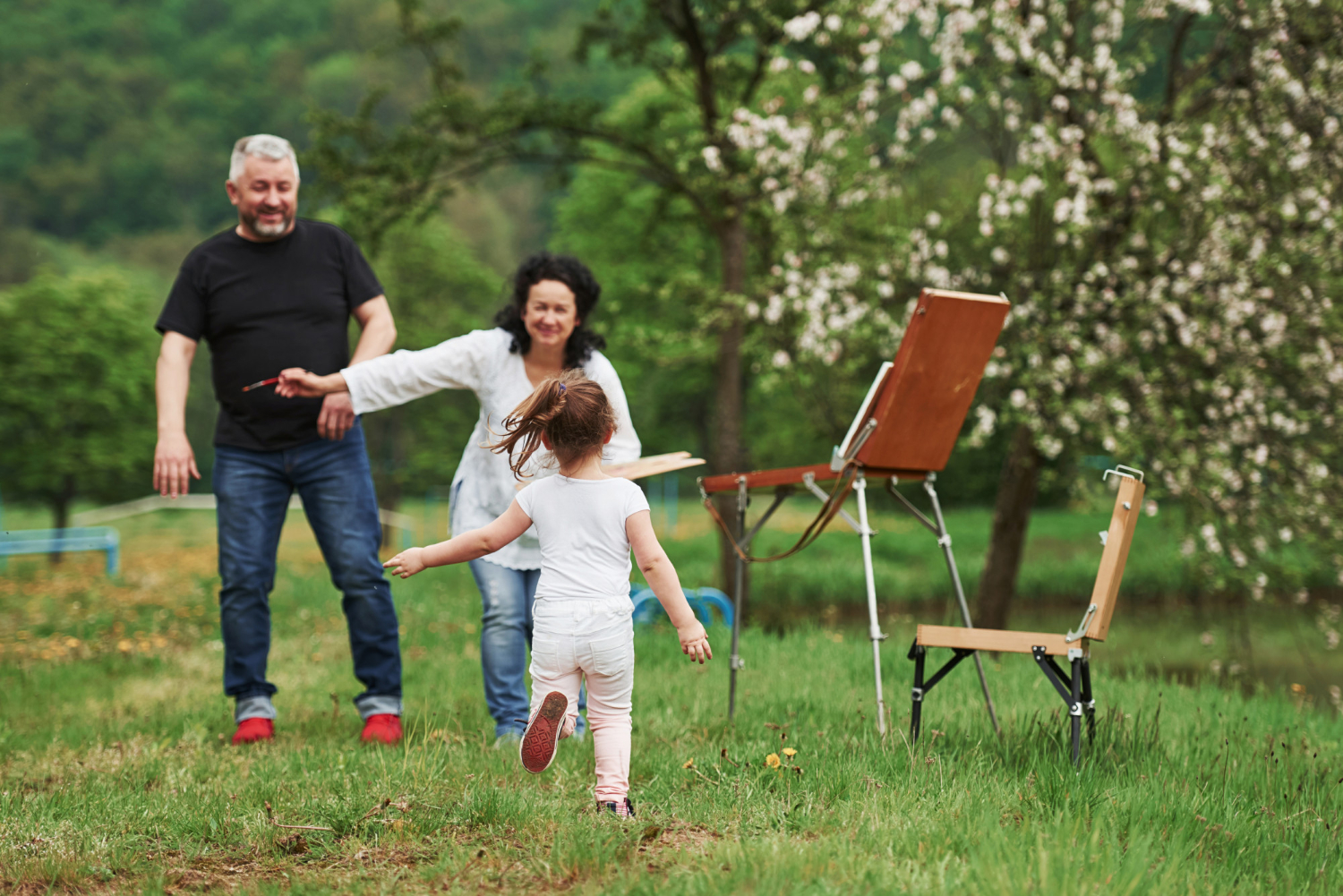
This is the most important item on this list. A park, a building compound, a beach, a garden, a patch of open land. No rules. No screens. No adult-directed activity. Children just... play.
What happens during unstructured outdoor play:
- Children create rules, negotiate them, and manage conflict - building executive function and social skills
- They take risks and learn to assess danger - building physical confidence and judgement
- They use imagination to fill the space - building creativity
- They move in varied ways - building gross motor development
- They experience natural sensory stimulation - supporting sensory integration
The American Academy of Pediatrics, WHO, and most child development researchers agree: this is one of the single most developmentally valuable activities a child can engage in. It cannot be replicated indoors or on a screen.
For children in apartments or areas without safe green space: building compounds, rooftops, and even car-free lanes all work. Safety concerns are valid - address them by accompanying young children and gradually extending independence as they grow.
Activity 2: Gardening
Available to every family, even without a garden: balcony pots, terrace gardens, school garden programmes.
What gardening does for children:
- Teaches patience and delayed gratification - seeds take time
- Builds responsibility - a plant depends on their care
- Connects them to food and natural cycles
- Provides sensory stimulation - soil, texture, smell, colour
- Reduces anxiety - research shows regular contact with soil activates serotonin-producing bacteria
Start with: tomatoes, chillies, or methi in a pot. These grow quickly enough for children to see results. The joy of eating something they grew is significant.
Activity 3: Cycling or Swimming
Both of these activities involve bilateral movement - both sides of the brain working together to coordinate both sides of the body. Bilateral movement has been shown to support reading development, improve coordination, and strengthen the corpus callosum (the bridge between brain hemispheres).
Swimming additionally: supports breathing regulation, spatial awareness, and body confidence in a way that land-based exercise doesn't.
Cycling: even in cities, short cycling routes, building compounds, and designated cycling tracks exist and are underutilised. Both are lifetime skills that compound in physical and cognitive benefit over years.
Activity 4: Nature Journalling
Take a notebook outside. Draw a leaf. Describe the texture of bark. Sketch the shape of a cloud. Note what birds you saw. Write about what the air smelled like.
Nature journalling combines:
- Attention and observation - noticing what's actually there
- Artistic expression - drawing, sketching, colour
- Scientific thinking - categorising, comparing, questioning
- Writing - describing in words what you observe
- Mindfulness - slowing down to really see
Particularly valuable for children ages 8–14 who need an outdoor activity that isn't purely physical and engages their developing intellectual curiosity.
Activity 5: Evening Family Walks
Simple. Free. Available to almost every family. Done consistently, the benefits are significant:
- Cardiovascular health for the whole family
- Improved sleep quality from physical movement and evening light regulation
- Vitamin D from residual daylight
- Reduced stress hormones for both parents and children
- Space for conversation that doesn't happen in the home - the side-by-side, movement-based setting that's been shown to facilitate more open dialogue especially with teenagers
Start small: 15 minutes, after dinner, 3 nights a week. Build from there. This habit, once established, becomes one of the most treasured parts of family life.
|
FOR FAMILIES WHERE OUTDOOR SAFETY IS A GENUINE CONCERN
Urban safety concerns, extreme heat in summer months, and lack of nearby green space are real barriers for many Indian families.
Practical alternatives: • Early morning before the heat (5:30–7 AM in summer) • Building compound or terrace in the evening • Indoor-outdoor spaces: malls with open atriums, museum gardens • Weekend day trips to a nearby park or nature area
Some outdoor time is better than none. Start where you can. |
Quick Tip: 30 minutes of unstructured outdoor time per day is linked to better focus, calmer behaviour, and improved sleep. It's not a luxury. It's a developmental need - treat it like one.
What's your family's favourite outdoor activity?
#OutdoorKids #NatureAndKids #OutdoorPlay #ParentWithPurpose #KidsOutdoorActivities #OutdoorDevelopment

Parent With Purpose
Parent with Purpose is your trusted parenting resource, offering expert advice, practical tips, and real experiences from fellow parents. Our content is organized by your child’s age, from pregnancy to the teen years, ensuring guidance that’s relevant to your current stage. Learn through articles, videos, podcasts, and courses that fit your lifestyle. We also provide carefully curated book lists, meal plans, product recommendations, and India-focused resources to make parenting easier and more informed.