 3 min read
 10 Signs Your Child Is Spending Too Much Time on Screens
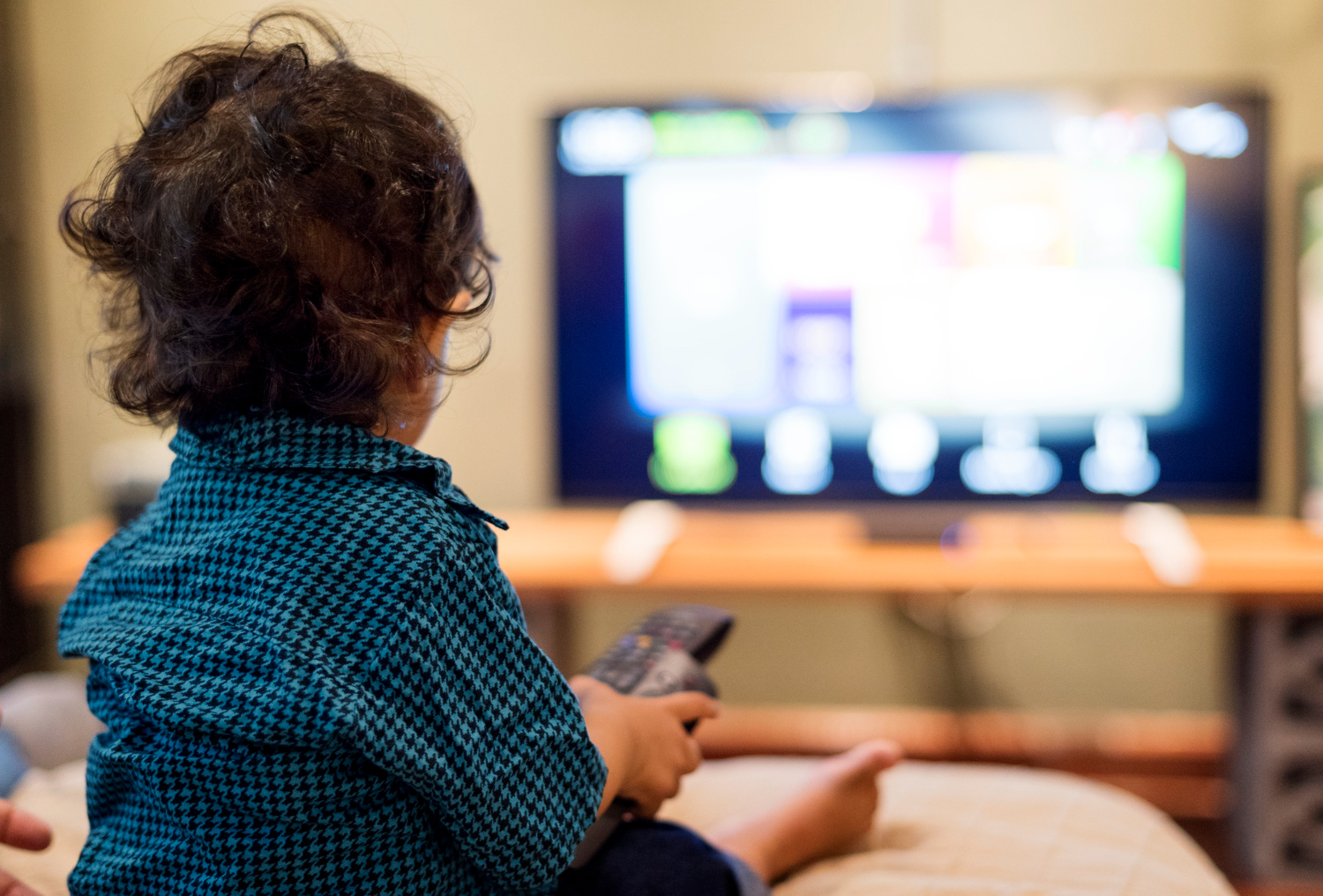
Most people understand that too much screen time is bad, but screen time has become essential to managing daily life. Unfortunately for a lot of parents,

Screen time is one of the most contested topics in modern parenting. Too much? Too little? What counts - educational apps or just YouTube? Is 2 hours a day fine or is it already too much?
Here's what we know: it's not just about the number of hours. It's about what happens to your child's behaviour, sleep, social life, and emotional regulation when screens are part of their life. These 10 signs tell you when it's crossed from normal to a problem - in plain language, without the panic.
BEHAVIOURAL SIGNS - THE ONES MOST PARENTS NOTICE FIRST
Sign 1: Extreme Reaction When a Device Is Taken Away
All children protest when screen time ends. That's normal. The sign to watch is the intensity: a full meltdown, prolonged crying that doesn't settle, aggressive behaviour, or emotional shutdown that lasts longer than 15–20 minutes.
This level of distress when separated from a screen suggests the screen has become a primary emotional regulation tool - and that's worth addressing.
Sign 2: Choosing Screens Over Things They Used to Love
If your child used to love cycling, painting, playing with friends, reading - and now consistently chooses screens over all of those - this is a sign that the reward circuitry is shifting. Screens produce dopamine faster and more reliably than most other activities. When a child stops being able to enjoy lower-stimulation activities, their brain has adapted to the screen's pace.
Sign 3: Lying About Screen Time or Hiding Devices
When children hide their phones under pillows, lie about what apps they're using, or quickly switch screens when you walk by - they know the behaviour is problematic. The hiding is itself a signal that limits are needed and that the relationship with screens has become secretive.
Sign 4: Inability to Self-Entertain Without a Screen
Boredom is a developmental need. A child who experiences boredom regularly develops creativity, self-direction, and the ability to generate their own entertainment. If your child reaches for a screen within minutes of any unstructured time, they're losing this capacity. Test it: a Saturday with no devices. What happens after the first 30 minutes?
Sign 5: Sleep Is Being Disrupted
This is both a sign and a cause of excessive screen use. Blue light suppresses melatonin production. Emotionally stimulating content (games, social media) keeps the nervous system activated. A child who is frequently staying up later than their usual bedtime because of screens, or who is consistently waking up tired, has a screen-sleep problem.
PHYSICAL & EMOTIONAL SIGNS - HARDER TO SPOT
Sign 6: Frequent Headaches or Eye Complaints
'My eyes hurt', 'I have a headache', 'everything looks blurry after' - these are direct symptoms of extended screen use. Myopia (short-sightedness) in children is rising globally and is significantly linked to reduced outdoor time and increased near-screen time.
Sign 7: Posture Problems in a Child
Neck pain, rounded shoulders, and complaints of back discomfort in a child under 12 are not normal - and are directly linked to how they hold their device. If your child is spending extended periods looking down at a phone or hunched over a tablet, this is a physical sign.
Sign 8: Emotional Flatness
Less spontaneous laughter. Less curiosity about the world. Less energy for real-life interactions. Children who are over-screened can seem 'switched off' in real life - not sad exactly, but not fully present or engaged. The dopamine reset that happens in real human interactions feels slow compared to the instant stimulation of screens.
Sign 9: Withdrawing From Real Social Interaction
Online friendships replacing in-person ones. Preferring to play games with strangers online instead of with neighbourhood children. Feeling more comfortable in digital social environments than face-to-face ones. This is particularly concerning in the 8–14 age group where in-person social skills are still being developed.
Sign 10: Declining Academic Performance Alongside Increased Screen Time
Correlation doesn't always mean causation - but when screen time increases significantly and academic engagement drops at the same time, it's worth examining the connection. Not just the time taken up, but the impact on sleep, focus, and homework attention spans.
|
Age Group |
Recommended Daily Screen Time (WHO/AAP) |
Warning Signal |
|
Under 2 years |
None (except video calls) |
Any habitual solo screen use |
|
2–5 years |
Maximum 1 hour quality content |
Meltdowns when screen ends |
|
6–12 years |
Maximum 2 hours recreational |
Choosing screens over all else |
|
13–18 years |
Consistent limits, quality over quantity |
Sleep disruption, social withdrawal |
💡 Quick Tip: Don't react with a sudden total ban. That almost always backfires and makes screens feel more desirable. Start with one change at a time: no devices at the dinner table, then devices out of the bedroom, then work from there.
How many of these sound familiar? What's one change you're making this week?
#ScreenTimeLimits #ChildrenAndScreens #ParentingDigitalAge #ParentWithPurpose #ScreenFreeKids #ChildScreenAddiction

Parent With Purpose
Parent with Purpose is your trusted parenting resource, offering expert advice, practical tips, and real experiences from fellow parents. Our content is organized by your child’s age, from pregnancy to the teen years, ensuring guidance that’s relevant to your current stage. Learn through articles, videos, podcasts, and courses that fit your lifestyle. We also provide carefully curated book lists, meal plans, product recommendations, and India-focused resources to make parenting easier and more informed.