 3 min read
 Why We Celebrate Diwali - The Stories, the Meaning and What to Tell Your Child (2026)
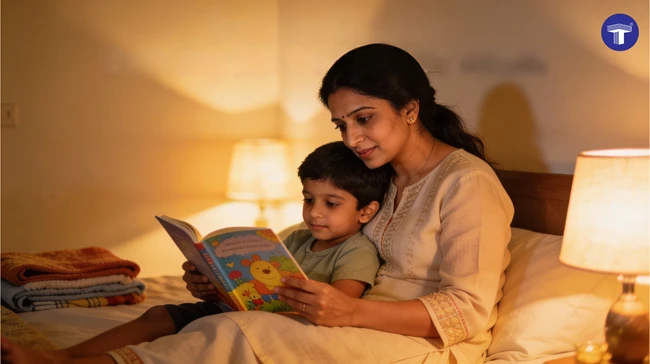
Diwali is the festival of lights. But it is also the festival of return. Of homecoming. Of light finding its way back through darkness.

Diwali is the festival of lights. But it is also the festival of return. Of homecoming. Of light finding its way back through darkness. In a year when your child first really asks 'why do we light diyas?' - you have one of the most meaningful parenting conversations waiting for you.
Diwali 2026 - The Five Days at a Glance
|
Date |
Day |
Name |
Significance |
|
6 Nov (Fri) |
Day 1 |
Dhanteras |
Worship of Dhanvantari and Goddess Lakshmi. Most auspicious day to purchase gold, silver, or any metal item - believed to multiply under Lakshmi's blessing. |
|
7 Nov (Sat) |
Day 2 |
Naraka Chaturdashi (Choti Diwali) |
Krishna's victory over Narakasura. In South India, this is the main Diwali day. Ritual oil bath before sunrise is traditional. |
|
8 Nov (Sun) |
Day 3 |
Diwali / Lakshmi Puja |
Main Diwali. Lakshmi-Ganesha Puja at dusk (muhurat: approximately 6:29 PM-8:29 PM). Homes fully illuminated. |
|
9 Nov (Mon) |
Day 4 |
Govardhan Puja / Annakut |
Commemorates Krishna lifting Govardhan Hill to protect his community. Day of gratitude for abundance. |
|
10 Nov (Tue) |
Day 5 |
Bhai Dooj |
Celebration of the sibling bond - sisters apply tilak to brothers' foreheads and pray for their wellbeing. |
The Stories of Diwali - One for Every Age
Story 1: Rama's Return (Ages 4-8)
Long ago, a prince named Rama was sent away from his kingdom for 14 years. During his exile, his wife Sita was kidnapped by the demon king Ravana. With his brother Lakshmana and the brave monkey warrior Hanuman, Rama crossed the ocean to Lanka, fought a great battle, defeated Ravana, and rescued Sita. When they finally returned home to Ayodhya, the people lit rows and rows of oil lamps to welcome them - so that Rama could find his way home through the darkness.
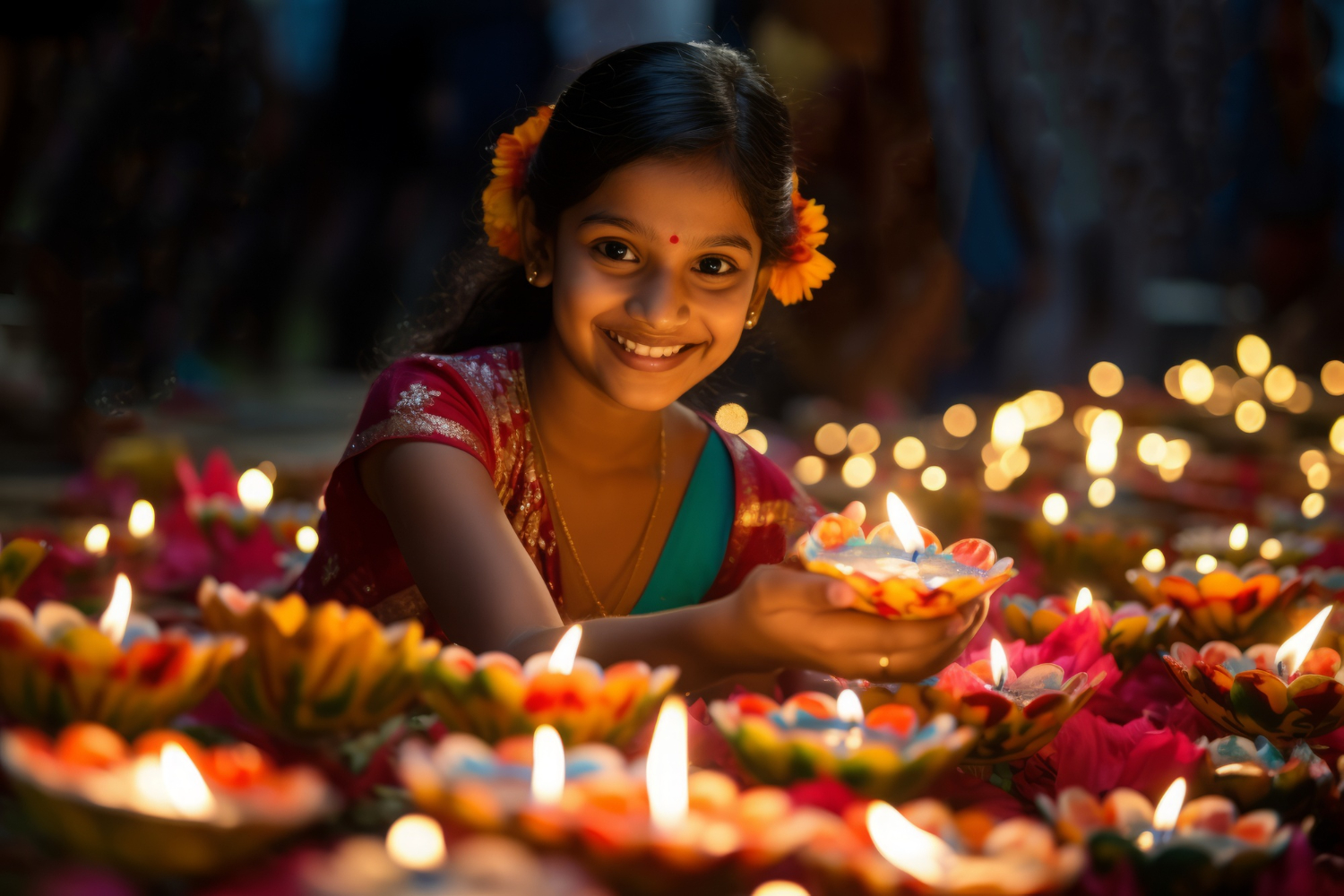
That is Diwali. We light our diyas every year to remember that light guides those we love home. And to welcome goodness back into our own lives.
Story 2: Lakshmi and the Diyas (Ages 5-9)
Goddess Lakshmi - the goddess of wealth, beauty, and prosperity - visits homes on the night of Diwali. But she only enters homes that are clean, lit, and welcoming. We clean our homes so she sees order and care. We light our diyas so she can find her way in. We draw rangoli at the door so she knows she is welcome. When we share sweets with people we love, we are sharing the abundance that Lakshmi brings.
Story 3: The Victory of Light Over Darkness (Ages 10+)
Diwali carries many stories - different across regions of India. In the South, it marks Krishna's victory over Narakasura. In Bengal, Kali Puja is observed. In Gujarat, it marks the new business year. What all versions share: this is the new moon night of Kartika - the darkest night of the autumn. And on the darkest night, we light every lamp in the house.
This is not magical thinking. It is one of the most human responses to darkness that exists: we do not sit in it passively. We light something. We create warmth. We share it with our neighbours.
What Each Diwali Tradition Means
|
Tradition |
What It Teaches |
|
Cleaning the home |
Welcoming goodness requires preparation - outer order reflects inner readiness |
|
Lighting diyas |
We create our own light; we don't wait for darkness to pass on its own |
|
Rangoli at the door |
An invitation: beauty says 'you are welcome here' |
|
Exchanging sweets |
Abundance grows when shared; prosperity is not hoarding |
|
New clothes |
Renewal - every year is a fresh beginning |
|
Puja for tools and instruments |
Gratitude for what we work with - nothing is taken for granted |
|
Dhanteras purchase |
Any wealth acquired on this day is believed to multiply under Lakshmi's blessing |

Parent With Purpose
Parent with Purpose is your trusted parenting resource, offering expert advice, practical tips, and real experiences from fellow parents. Our content is organized by your child’s age, from pregnancy to the teen years, ensuring guidance that’s relevant to your current stage. Learn through articles, videos, podcasts, and courses that fit your lifestyle. We also provide carefully curated book lists, meal plans, product recommendations, and India-focused resources to make parenting easier and more informed.