 4 min read
 Why Sequence Is One of the Best Games to Build Logical Thinking and Smart Decision-Making in Children
Some games are loud and fast. Some rely heavily on luck. And then there are a few rare ones that sit quietly on the table—but slowly sharpen the mind with every move. Sequence is one of those games.

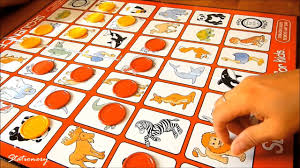
At first, it looks simple. A board filled with cards, chips placed on matching spaces, and a goal to form a sequence. Easy enough, right?
But once the game begins, you realize—it’s not just about placing chips. It’s about thinking ahead, reading the board, and making decisions that matter. And that’s exactly why Sequence is such a powerful game for children.
A Game That Teaches You to Think Before You Act
In many games, children can play quickly without much thought. They act, react, and move on. Sequence doesn’t allow that. Here, every move has weight.
Before placing a chip, a child naturally begins to think:
- “If I place it here, what happens next?”
- “Will this help me later?”
- “Am I missing something important?”
This pause—this moment of thinking—is where real development begins. Children slowly move from impulsive actions to thoughtful decisions. And once they learn to pause and think in a game, they start doing it in real life too.
Understanding Patterns and Connections
Sequence is built around recognizing and creating patterns. At first, children focus on matching the card in their hand with the board. But as they play more, they begin to notice something deeper. They start seeing connections.
They realize:
- One chip is not just a move—it’s part of a larger plan
- Multiple paths can lead to a sequence
- Some positions are more valuable than others
This strengthens their ability to:
- Identify patterns
- Predict outcomes
- Build strategies step by step
Pattern recognition is a key skill in learning, especially in areas like math and problem-solving. And here, it develops naturally.
Planning Ahead Without Feeling Overwhelmed
One of the best things about Sequence is how it introduces planning in a very manageable way. Children are not required to think ten steps ahead. They simply start with one or two steps. But gradually, something changes.
They begin to think:
- “If I place here now, I can complete a sequence later”
- “If I wait, I might get a better chance”
This is planning. And because it develops slowly, children don’t feel pressured or confused. They grow into it.
Learning to Block and Protect
Sequence is not just about building your own path—it’s also about observing others. Children quickly notice that while they are trying to create a sequence, others are doing the same.
So they begin to:
- Watch other players’ moves
- Identify potential threats
- Block sequences at the right time
This introduces a new level of thinking.
Now, it’s not just:
“What should I do?”
It becomes:
“What might others do?”
This improves awareness and strategic thinking.
A Gentle Balance Between Luck and Logic
Sequence includes an element of luck—you don’t always get the card you want. But unlike many games, luck doesn’t control everything.
What matters more is:
- How you use the cards you have
- Where you place your chips
- How well you read the board
This teaches children an important lesson:
You may not control everything, but you can control your choices.
And that mindset is incredibly valuable.
Building Patience in a Natural Way
Sequence is not a rushed game. Children must wait for their turn. They must observe what happens between their moves. At first, this may feel slow. But over time, they begin to use this waiting period productively.
They:
- Study the board
- Think about their next move
- Adjust their plan
Waiting becomes useful, not frustrating. This helps develop patience—something many children struggle with today.
Encouraging Focus Without Pressure
Sequence requires attention, but it doesn’t demand it aggressively. Children stay focused because they want to.
They are interested in:
- What’s happening on the board
- What others are doing
- How their plan is shaping up
This kind of natural focus is more effective than forced concentration. Over time, children become better at staying engaged in tasks that require thinking.
Confidence Through Smart Decisions
Each move in Sequence is a personal decision. There is no single correct way to play.
When a child makes a good move—completes a sequence, blocks an opponent, or creates an opportunity—they feel a sense of achievement. Not because they were told what to do. But because they figured it out. This builds a strong form of confidence.
A quiet belief that:
“I can think through situations.”
“I can make smart choices.”
And this confidence grows with every game.
A Game That Brings Calm Energy to the Table
Sequence has a unique atmosphere. It is engaging, but not chaotic. Interactive, but not overwhelming.
Children enjoy:
- The steady pace
- The thinking involved
- The satisfaction of building something step by step
This calm energy is refreshing. In a world full of noise and constant stimulation, games like Sequence offer a more balanced experience.
Strengthening Family Connections Through Play
Sequence is a game that works beautifully for families. It doesn’t depend on speed or loud reactions. It allows everyone to participate comfortably.
When families play together:
- Children feel included
- Conversations happen naturally
- The environment feels relaxed
These moments create meaningful connections. And often, it’s these simple shared experiences that children remember the most.
Why Children Keep Coming Back to Sequence
Sequence doesn’t get boring easily.
Every game feels slightly different because:
- Cards change
- Board situations change
- Players use different strategies
Children enjoy experimenting.
They may try:
- A more aggressive approach
- A more defensive strategy
- A different way of building sequences
This keeps the game fresh and engaging.
Supporting Real-Life Thinking Skills
What children learn through Sequence goes beyond the game.
They begin to:
- Think before acting
- Consider multiple possibilities
- Observe situations carefully
- Make thoughtful decisions
These are skills that apply to:
- Schoolwork
- Problem-solving
- Everyday situations
And because they learned them through play, they use them naturally.
What Parents Should Keep in Mind
If you are introducing Sequence to your child, allow them time to understand the flow. They may not think strategically at first—and that’s perfectly fine. Let them explore. Encourage their ideas. Appreciate their efforts. Avoid correcting every move. Let them learn through experience. Because growth happens when children are allowed to think for themselves.
Final Thoughts
Sequence may look like a simple game of cards and chips. But behind that simplicity lies something powerful.
It teaches children how to:
- Think logically
- Plan gradually
- Observe carefully
- Make smart decisions
All in a calm, engaging environment. In a world where children are often rushed and distracted, Sequence offers a different experience. It slows things down just enough for thinking to happen. And sometimes, that’s exactly what a child needs.
Because in the end, it’s not just about completing a sequence on the board. It’s about helping children build a sequence of strong thinking—one move at a time.

Parent With Purpose
Parent with Purpose is your trusted parenting resource, offering expert advice, practical tips, and real experiences from fellow parents. Our content is organized by your child’s age, from pregnancy to the teen years, ensuring guidance that’s relevant to your current stage. Learn through articles, videos, podcasts, and courses that fit your lifestyle. We also provide carefully curated book lists, meal plans, product recommendations, and India-focused resources to make parenting easier and more informed.