 4 min read
 Why Monopoly Deal Is the Perfect Game for Quick Thinking, Smart Decisions, and Engaging Family Time
In today’s fast-paced world, attention spans are shorter, schedules are tighter, and children often look for instant engagement. Long games don’t always hold their interest. Waiting for turns can feel slow. And if something doesn’t move quickly, they tend to lose focus.

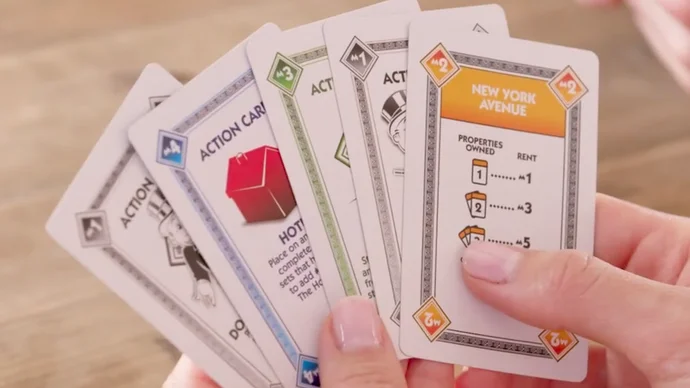
This is where the Monopoly Deal fits in perfectly. It takes the essence of the classic Monopoly—money, property, strategy—and transforms it into a fast, exciting card game that keeps children fully involved from start to finish.
But beyond the speed and fun, Monopoly Deal does something much deeper. It trains the mind to think quickly, adapt instantly, and make smart decisions under changing conditions. And it does all of this without feeling like learning.
A Fast Game That Keeps Everyone Hooked
The first thing you’ll notice about Monopoly Deal is its pace. There is no long setup. No waiting endlessly for your turn to come around again. No slow build-up.
The game starts quickly—and stays engaging.
Each turn moves fast. Each card changes the situation. Each decision matters immediately. Children don’t have time to drift away or get distracted. They stay alert, involved, and ready. This constant engagement is one of the biggest strengths of the game.
Learning to Think on the Spot
Unlike slower games where you can plan far ahead, Monopoly Deal often requires instant decisions.
You pick up a card, and suddenly you have options:
- Should you play it now?
- Should you hold it for later?
- Should you use it aggressively or defensively?
There isn’t always a “perfect” answer. So children begin to rely on their judgment.
They start thinking:
“What makes sense right now?”
This builds a very important skill—decision-making in real time.
Over time, children become more confident in trusting their instincts and acting quickly without overthinking.
Adapting to Constant Change
Monopoly Deal is unpredictable. Just when a child feels they are close to winning, another player might:
- Take their property
- Break their set
- Change the direction of the game
And suddenly, everything shifts. At first, this can feel frustrating. But slowly, children learn something powerful:
Situations can change, and that’s okay.
They begin to:
- Adjust their plans
- Stay flexible
- Keep going despite setbacks
This ability to adapt is one of the most important life skills. And here, it develops naturally.
Understanding Strategy in a Simple Way
Even though the Monopoly Deal is fast, it still requires strategy.
Children begin to notice patterns:
- When to complete a set
- When to hold back
- When to use action cards
They understand that rushing doesn’t always help.
Sometimes waiting for the right moment makes all the difference. This introduces them to the idea of timing.
Not everything should be done immediately. Some decisions are better when made at the right time. And once children grasp this, their gameplay improves quickly.
The Balance Between Risk and Safety
One of the most interesting aspects of Monopoly Deal is how it teaches children to balance risk.
Should they:
- Lay down their property and move closer to winning?
- Or keep it safe in their hand to avoid losing it?
Both choices have advantages.
Children begin to evaluate:
- What could go wrong?
- What could go right?
This builds critical thinking. They learn that every decision carries both opportunity and risk. And over time, they become better at choosing wisely.
Building Confidence Through Action
Because the game moves quickly, children don’t get stuck in hesitation.
They act. They try. They learn. And this cycle builds confidence. Even if a move doesn’t work out, the game continues. There is always another turn, another chance.
Children start to feel:
“I can recover.”
“I can try again.”
This reduces fear of making mistakes. And when children are not afraid to make mistakes, they learn faster.
Keeping Energy High Without Overwhelm
Some games are fast but chaotic. Monopoly Deal manages to stay energetic without becoming overwhelming. There is excitement, but also clarity.
Children know what they are doing. They understand their choices. They stay involved without feeling lost. This balance is important. It keeps the game enjoyable while still supporting learning.
Strengthening Social Interaction
Even though Monopoly Deal is a card game, it is highly interactive. Players react to each other constantly. There are moments of surprise, laughter, and sometimes playful frustration.
Children learn how to:
- Respond to others’ actions
- Stay engaged in group play
- Handle unexpected situations
They also begin to understand that games involve other people—not just their own moves. This builds social awareness.
A Game That Fits Modern Lifestyles
One of the biggest advantages of Monopoly Deal is how easily it fits into everyday life. You don’t need hours.
You can play:
- After dinner
- During a short break
- While traveling
- On a relaxed evening
And because each game is short, children don’t feel tired or bored. In fact, they often want to play again. This makes it a great option for families who want meaningful play without a large time commitment.
Why Children Enjoy It Again and Again
Monopoly Deal has a strong replay value.
Each game feels different because:
- Cards are shuffled
- Strategies change
- Players react differently
Children enjoy experimenting. They may try a new approach in the next round. They may take different risks. They may learn from what happened before. This keeps the experience fresh.
Supporting Emotional Growth in a Subtle Way
Even though the game is quick, it still brings emotional experiences.
Children may feel:
- Excitement when they are close to winning
- Disappointment when they lose a set
- Satisfaction when a plan works
Because the game is short, these emotions pass quickly.
Children learn to:
- Stay balanced
- Move forward
- Keep playing
This helps build emotional resilience.
A Great Way to Reduce Screen Dependency
Children today are naturally drawn to screens because they offer fast stimulation. Monopoly Deal provides a similar level of engagement—but in a healthy way.
It:
- Keeps the mind active
- Encourages interaction
- Requires real thinking
And once children start enjoying it, they don’t feel the need for constant digital entertainment.
What Parents Should Know
Introducing Monopoly Deal is simple. The rules are easy to pick up, and children usually understand quickly once they start playing.
It helps to:
- Play the first round together
- Explain cards as they come up
- Keep the environment relaxed and fun
Avoid focusing too much on winning. Let children explore, experiment, and enjoy.
Final Thoughts
Monopoly Deal is more than just a quick card game.
It is a tool that helps children:
- Think quickly
- Adapt easily
- Make decisions with confidence
- Stay engaged and focused
All within a short span of time. In a world where everything moves fast, teaching children how to think clearly within that speed is essential. And Monopoly Deal does exactly that—quietly, effectively, and enjoyably.
Because sometimes, the best learning doesn’t come from slowing things down. Sometimes, it comes from learning how to think well—even when things move fast.

Parent With Purpose
Parent with Purpose is your trusted parenting resource, offering expert advice, practical tips, and real experiences from fellow parents. Our content is organized by your child’s age, from pregnancy to the teen years, ensuring guidance that’s relevant to your current stage. Learn through articles, videos, podcasts, and courses that fit your lifestyle. We also provide carefully curated book lists, meal plans, product recommendations, and India-focused resources to make parenting easier and more informed.