 4 min read
 Invisalign vs braces
Orthodontic treatment has evolved significantly over the years, offering patients multiple options to correct misaligned...
Orthodontic treatment has evolved significantly over the years, offering patients multiple options to correct misaligned teeth and improve their smiles. Among the most popular choices today are traditional braces and Invisalign aligners. Both methods are effective in straightening teeth, correcting bite issues, and enhancing oral health, but they differ in terms of appearance, comfort, convenience, cost, and suitability. Understanding these differences can help individuals and parents make informed decisions about the best orthodontic treatment.
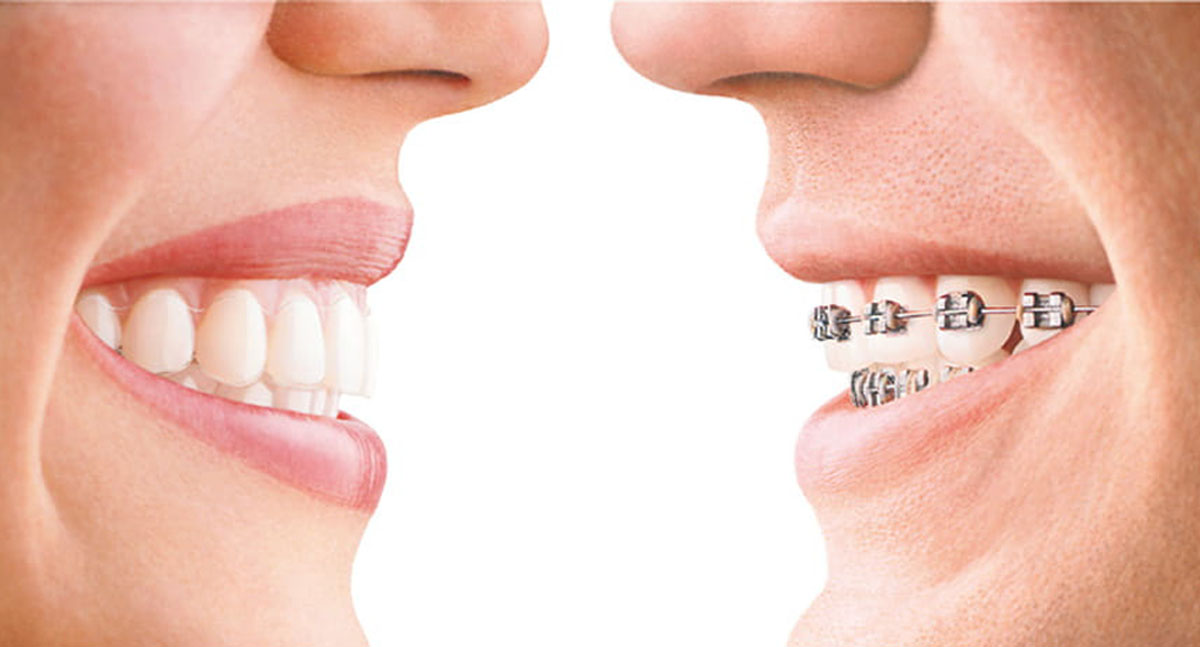
Traditional braces have been used for decades and consist of metal brackets attached to the teeth, connected by wires and elastic bands. These components work together to gradually move teeth into the desired position. Braces are highly effective for treating a wide range of orthodontic issues, including severe crowding, spacing problems, overbites, underbites, and crossbites. Because they are fixed appliances, they provide continuous pressure on the teeth, ensuring consistent progress throughout the treatment period.
In contrast, Invisalign is a modern orthodontic solution that uses a series of clear, removable aligners custom-made for each patient. These aligners are made from smooth, transparent plastic and are designed to fit snugly over the teeth. Patients typically wear each set of aligners for about one to two weeks before progressing to the next set, gradually shifting the teeth into alignment. Invisalign is particularly popular among teenagers and adults who prefer a more discreet alternative to traditional braces.
One of the most noticeable differences between Invisalign and braces is their appearance. Traditional braces are visible and can affect a person’s smile during treatment. While some patients embrace braces as a rite of passage, others may feel self-conscious about their appearance. Invisalign aligners, on the other hand, are nearly invisible, making them an attractive option for those who want to straighten their teeth without drawing attention.
Comfort is another important factor to consider. Braces can sometimes cause discomfort due to the metal brackets and wires, which may irritate the cheeks and gums. Adjustments, which are typically done every few weeks, can also lead to temporary soreness. Invisalign aligners are generally more comfortable because they are made of smooth plastic and do not have sharp edges. However, patients may still experience mild discomfort or pressure when switching to a new set of aligners, which is a normal part of the tooth movement process.
Oral hygiene is easier to maintain with Invisalign compared to braces. Since Invisalign aligners are removable, patients can take them out while eating, brushing, and flossing. This allows for better cleaning of the teeth and reduces the risk of plaque buildup, cavities, and gum disease. With braces, maintaining oral hygiene can be more challenging because food particles can get trapped around the brackets and wires. Patients need to be diligent with brushing, flossing, and sometimes using special tools like interdental brushes.
Dietary restrictions are another area where the two options differ. Patients with braces are often advised to avoid hard, sticky, or chewy foods that can damage the brackets or wires. Foods like popcorn, nuts, chewing gum, and caramel are typically off-limits. Invisalign patients do not have such restrictions because they remove the aligners before eating. However, they must ensure that they brush their teeth before reinserting the aligners to maintain oral hygiene.
When it comes to effectiveness, both Invisalign and braces can deliver excellent results, but their suitability depends on the complexity of the case. Braces are generally more effective for complex orthodontic issues, such as severe misalignment or significant bite problems. Invisalign is best suited for mild to moderate cases, although advancements in technology have expanded its capabilities in recent years. An orthodontist can assess the patient’s condition and recommend the most appropriate treatment option.
Treatment duration can vary depending on the individual case, but it is often comparable between the two methods. On average, braces are worn for about 18 to 24 months, while Invisalign treatment may take anywhere from 12 to 18 months. However, Invisalign requires a high level of discipline, as the aligners must be worn for 20 to 22 hours per day to be effective. Failure to comply with this requirement can prolong the treatment time.
Cost is another factor that influences the choice between Invisalign and braces. In general, Invisalign tends to be slightly more expensive than traditional braces, although the difference may not be significant in some cases. The cost can vary depending on the complexity of the treatment, the duration, and the location of the dental practice. Some dental insurance plans may cover a portion of the cost for both options.Regular dental visits are essential for both treatments, but the nature of the visits differs. Patients with braces need periodic adjustments to tighten the wires and monitor progress. Invisalign patients typically visit the dentist or orthodontist to receive new sets of aligners and ensure that the treatment is progressing as planned. These visits are usually less frequent and shorter compared to those required for braces.
Another important consideration is patient responsibility. Invisalign requires a commitment to wearing the aligners consistently and taking proper care of them. Misplacing or not wearing the aligners as instructed can affect the treatment outcome. Braces, being fixed, do not rely on patient compliance to the same extent, making them a better option for younger children or individuals who may struggle with discipline.
In conclusion, both Invisalign and traditional braces are effective orthodontic treatments with their own advantages and limitations. Braces are a reliable and versatile option for treating complex dental issues, while Invisalign offers a more discreet and convenient alternative for those with mild to moderate concerns. The choice between the two depends on factors such as the severity of the problem, lifestyle preferences, budget, and the patient’s willingness to comply with treatment requirements. Consulting with an experienced orthodontist is the best way to determine the most suitable option for achieving a healthy, confident smile.