 3 min read
 7 Signs Your Child Feels Disconnected from You
Disconnection happens over time and can result from a number of factors such as conflicting schedules and a lack of communication.

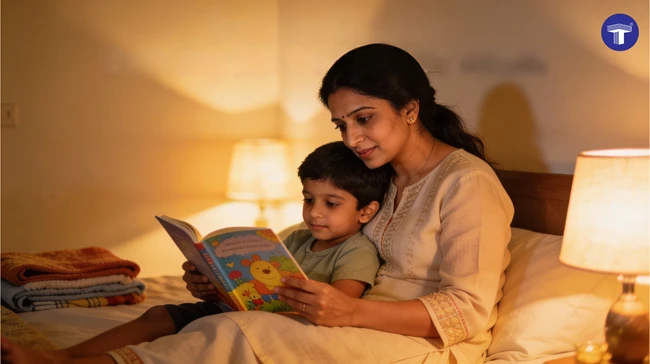
Disconnection between a parent and child rarely announces itself. It doesn't happen in one moment. It creeps in quietly - through weeks of busy schedules, distracted evenings, conversations that stay on the surface, and small bids for attention that go unnoticed.
And then one day you realize: your child doesn't really talk to you anymore. They share things with their friends, their cousins, their teachers - but not with you.
The earlier you spot the signs, the easier it is to close the gap. Here's what to look for.
THE 7 SIGNS - AND WHAT THEY ACTUALLY MEAN
Sign 1: They've Stopped Telling You Things
Not small things - children go through phases of privacy. The signal is when they stop sharing anything. No stories from school, no mentions of friends, no excitement about something that happened.
What it usually means: at some point, they shared something and felt dismissed, lectured, or embarrassed. The sharing stopped because it wasn't safe or worth it. The fix is not to demand more sharing - it's to make the environment feel safer.
Sign 2: One-Word Answers to Genuine Questions
'How was school?' - 'Fine.' 'Did anything happen today?' - 'Nothing.' This becomes a wall.
What it usually means: the questions feel routine or performative to them. Try specific questions instead: 'What was the most annoying thing that happened today?' or 'Did anything make you laugh?' Specificity invites more than a one-word answer.
Sign 3: They Prefer to Spend All Their Time in Their Room or With Friends
Some of this is normal, especially in adolescence. The signal is when it's total - they only emerge for meals and leave immediately after. They find any family interaction uncomfortable.
What it usually means: home doesn't feel like a relaxing space for them. They're more comfortable elsewhere. This is worth investigating gently.
Sign 4: They Stop Asking for Your Help
A connected child asks their parent for things: help with homework, opinions on situations, advice about friendships. A disconnected child stops asking - even when they clearly need help - because they've learned not to expect it or because the response they got previously made asking feel pointless.
Sign 5: They Stop Sharing Good News With You
This is often the last thing parents notice and one of the most telling. When your child gets a good grade, scores a goal, or makes a new friend - who do they tell first? If the answer is consistently 'not you', that's a signal about where they feel most celebrated and seen.
Sign 6: They Seem More Relaxed With Other Adults Than With You
A favourite teacher, a masi, a family friend - if your child is notably more open, warm, and talkative with someone other than you, pay attention to what that person does differently. Usually it's: they listen without immediately advising, they don't react with worry or criticism, they treat the child as capable of handling their own life.
Sign 7: Physical Affection Feels Awkward or Is Avoided
Children who feel connected to their parents generally welcome physical affection. When a child flinches away from a hug, turns away from a goodnight kiss, or seems stiff and uncomfortable with physical closeness - this is worth noticing. It may be age-related, but it may also reflect emotional distance.
WHAT TO DO WHEN YOU NOTICE THESE SIGNS
- Don't panic or make it a big conversation. Suddenly confronting a teenager about why they 'never talk to you anymore' usually closes the door further.
- Find one activity they love and show up for it without agenda. Not to talk. Just to be near them.
- Say something honest: 'I feel like we've been less connected lately. I miss you.' This is a complete sentence and a powerful one.
- If you've been very busy, acknowledge it: 'I know I've had a lot on lately. I want you to know you're my priority.'
- Repair any specific incidents if you can identify them. 'I think I might have dismissed what you said about X. I'm sorry. I'd like to hear more about it.'
|
A WORD FOR WORKING PARENTS, SINGLE PARENTS, AND PARENTS GOING THROUGH HARD TIMES
Disconnection is not always about not caring enough. It happens in the best families, to the most loving parents, during hard seasons of life.
If you're going through financial stress, illness, relationship difficulties, or grief - your child may have pulled back to protect you. Or because you've been unavailable in ways you didn't intend.
The reconnection doesn't require a grand gesture. It requires noticing, acknowledging, and consistently showing up in small ways. |
💡 Quick Tip: Reconnection is rarely about a grand gesture. It's about ten small moments of showing up consistently, without an agenda.
Have you noticed any of these signs? What helped you reconnect? Share it below.
#ChildDisconnection #ParentChildBond #EmotionalHealth #ParentWithPurpose #ReconnectWithYourChild

Parent With Purpose
Parent with Purpose is your trusted parenting resource, offering expert advice, practical tips, and real experiences from fellow parents. Our content is organized by your child’s age, from pregnancy to the teen years, ensuring guidance that’s relevant to your current stage. Learn through articles, videos, podcasts, and courses that fit your lifestyle. We also provide carefully curated book lists, meal plans, product recommendations, and India-focused resources to make parenting easier and more informed.