 3 min read
 5 Screen-Free Evening Habits for the Whole Family
Tagging a screen-free evenings for families in India, no screen after dinner habits, family evening routines without TV Evenings are when screen time battles are the fiercest.

The evening is the most contested screen time territory in most Indian homes. After a long day of school, tuitions, and activity classes - or after a full workday for parents - everyone just wants to collapse in front of a screen. It's the path of least resistance.
But the evening is also the time with the most potential for genuine connection. It's when the day is behind everyone, when defences are down, when children are most likely to share what's actually happening in their lives.
These 5 habits reclaim the evening - not by filling it with more scheduled activity, but by creating the kind of unstructured, connected time that families increasingly miss.
THE 5 HABITS - ONE FOR EVERY TYPE OF FAMILY
Habit 1: The 'Roses and Thorns' Dinner Ritual
Devices off the table. No exceptions. Each person at the table shares one thing that went well today (the rose) and one thing that was hard (the thorn). Children as young as 3 can participate. Teenagers participate surprisingly readily when it's a consistent ritual rather than a sudden demand for sharing.
Why it works: it's structured enough to feel safe (everyone does it, not just the child being questioned) and open enough to lead to real conversation. It also means that difficult things that happened in the day have a place to land before bed.
In Indian homes where dinner is often the only shared meal: protect this time. No news channel in the background. No phones face-up on the table. This meal is the most important 30 minutes of your family's day.
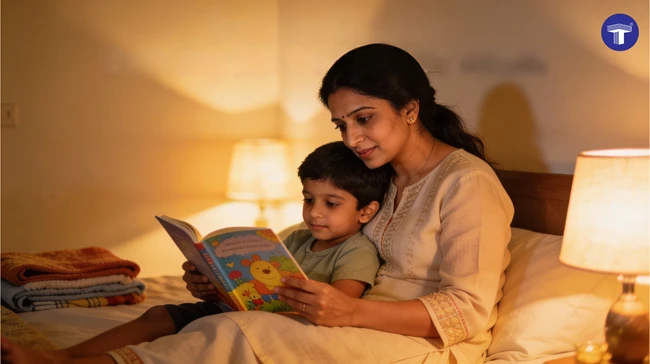
Habit 2: A 30-Minute Read-Aloud After Dinner
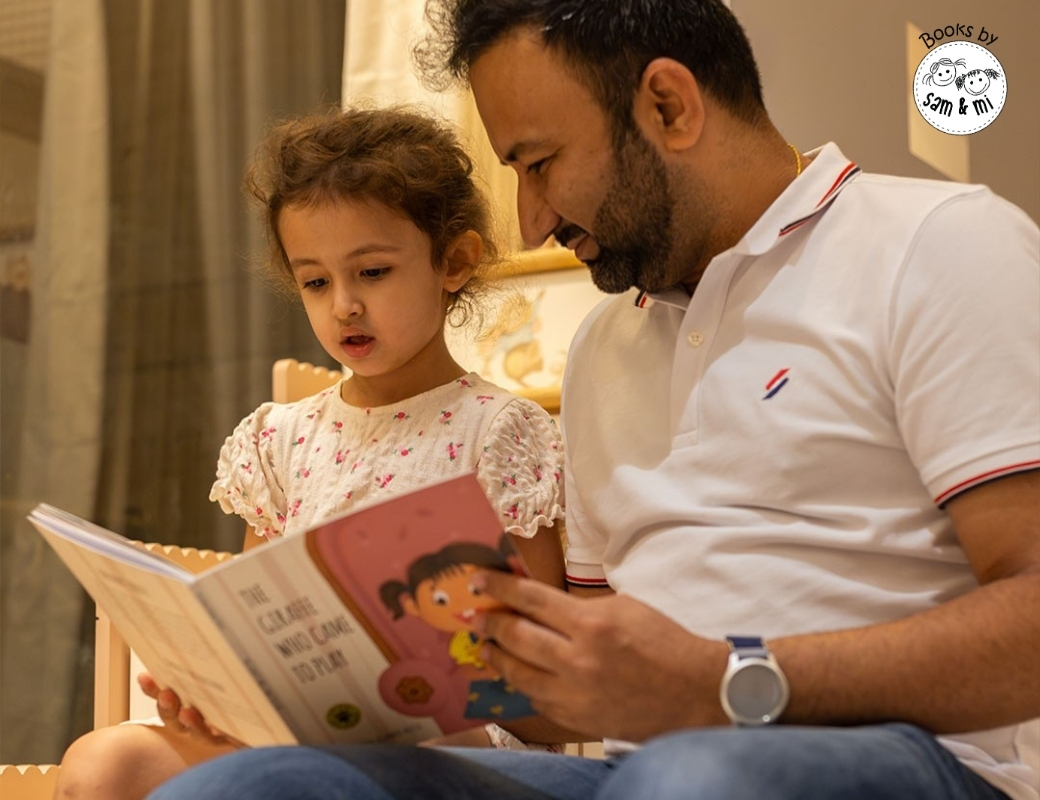
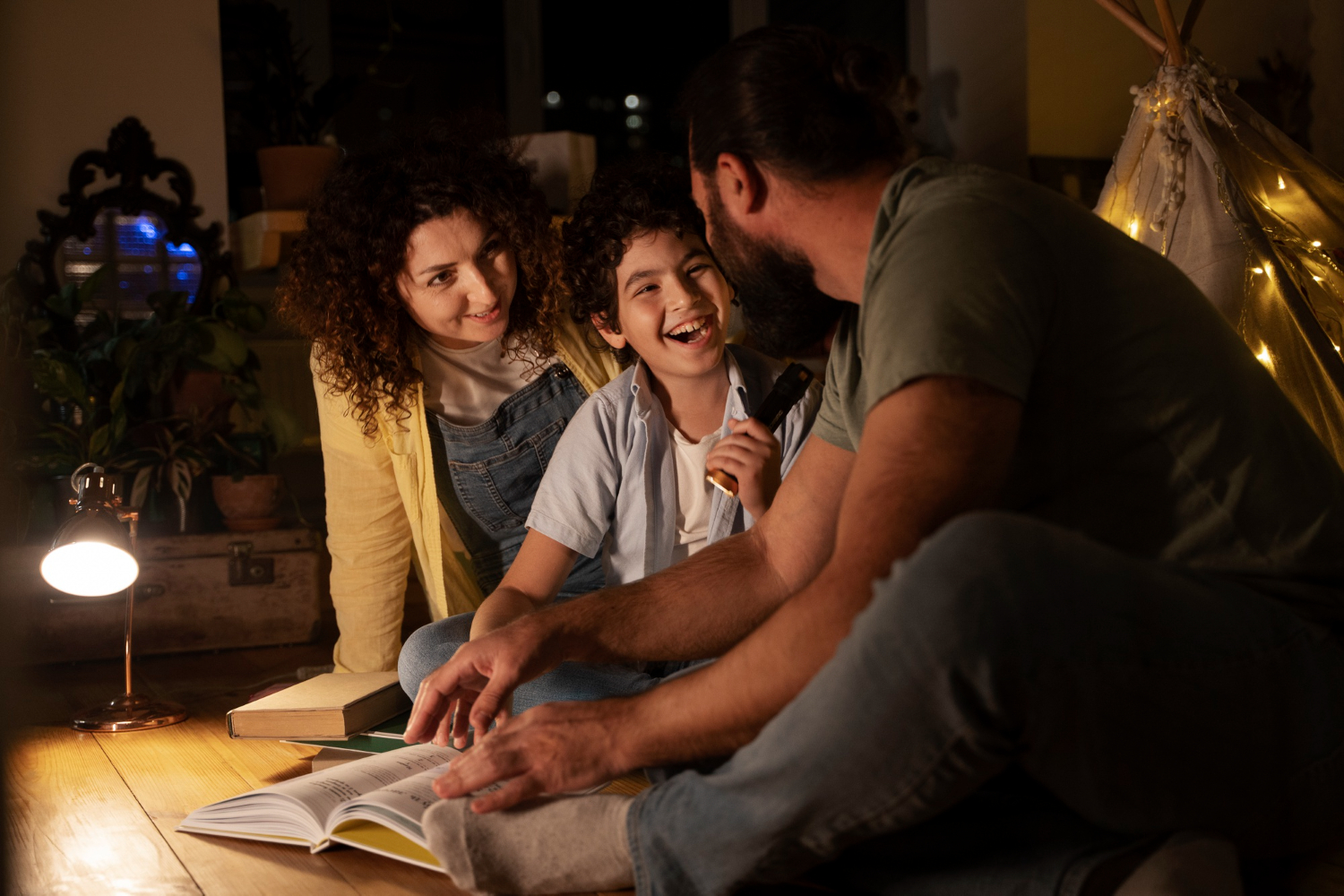
Yes, even with older children. Even with teenagers. A shared book - chosen together, everyone agrees on it - read aloud for 30 minutes. One parent reads, everyone listens.
This works because it's passive. No one has to perform. No one has to share. You just listen together. Over weeks, you develop shared references, inside jokes from the book, things you all know.
Start with: Diary of a Wimpy Kid (ages 8–12), Percy Jackson (ages 10–14), The Alchemist (teens and adults). In Hindi or Marathi if that's your family's language.
Habit 3: Evening Walk or After-Dinner Stroll
Even 15–20 minutes. In your colony, around the block, to a nearby park. Without phones if possible.
Walking side-by-side - not face-to-face - is one of the most effective settings for conversation with children and teenagers. The movement, the lack of eye contact, the simple shared activity - all of it reduces pressure and opens dialogue.
Many parents report that the best conversations they've ever had with their children happened on evening walks. Not during 'serious talks.' During nothing in particular.
Habit 4: A Weekly Family Game Night
Not every evening - one evening a week. Each family member chooses a game on a rotating basis. Board games, card games, a puzzle, even Antakshari or Dumb Charades.
Good options for Indian families:
- Ludo or Carrom - already in most homes
- Uno - works from age 5 to adult
- Scrabble or word games - vocabulary building and genuinely fun
- Business/Monopoly - introduces finance concepts naturally
- Pictionary - especially good with teenagers who resist 'talking games'
Habit 5: A 'Quiet Hour' Before Bed
In the 60 minutes before sleep: everyone does their own thing, without screens. Reading, journalling, drawing, knitting, a puzzle, simply lying and thinking.
No devices. No Netflix. No YouTube shorts before sleep.
The brain needs this transition time. It processes the day, consolidates memories, prepares for sleep. The blue light and emotional stimulation of screens in this window directly disrupts the quality of sleep - for children and adults.
This is also the window when children often suddenly want to talk about something that happened during the day. The quiet hour creates the space for those conversations to surface naturally.
|
FOR FAMILIES WHERE PARENTS ALSO NEED DOWNTIME
This isn't about replacing your relaxation with forced family activities.
The goal is: 3 evenings a week with at least one screen-free habit. Not all five every night.
Start with dinner - devices off the table. That alone, done consistently, makes a significant difference.
The rest can be built gradually, one habit at a time. |
💡 Quick Tip: Boring evenings are underrated. Unstructured, low-pressure time together is where the best connection actually happens - not during activities, during nothing.
Which evening habit are you trying this week?
#ScreenFreeFamily #EveningRoutine #FamilyConnection #ParentWithPurpose #NoScreenNight #FamilyTimeIndia

Parent With Purpose
Parent with Purpose is your trusted parenting resource, offering expert advice, practical tips, and real experiences from fellow parents. Our content is organized by your child’s age, from pregnancy to the teen years, ensuring guidance that’s relevant to your current stage. Learn through articles, videos, podcasts, and courses that fit your lifestyle. We also provide carefully curated book lists, meal plans, product recommendations, and India-focused resources to make parenting easier and more informed.