 2 min read
 The Biggest Parenting Mistake in the AI Era Isn’t Too Much Screen Time
For years, as parents, our biggest worry was screen time. How many hours are they watching? What are they scrolling? Are they playing too many games? Are they wasting time on YouTube? And while all of that still matters,




For years, as parents, our biggest worry was screen time. How many hours are they watching? What are they scrolling? Are they playing too many games? Are they wasting time on YouTube? And while all of that still matters, I feel we are now standing at the edge of a much bigger parenting challenge. The real concern in the AI era may not be how much time our children spend on screens, but how much of their thinking they are slowly outsourcing to them.
Today, a child can type one line and get an essay, a project, a poem, a summary, a speech, even an apology letter. In seconds, artificial intelligence can create what earlier required effort, confusion, trial, failure, thought and patience. And this is where we need to pause. Because childhood is not only about getting the right answer. Childhood is about learning how to arrive at an answer.
Thinking is not a waste of time.
Struggle is not a problem to be solved. Boredom is not an emergency. When a child sits with a blank page, searches for words, makes a messy first draft, rubs it out, starts again and finally says, “I got it,” something very important happens inside the brain. Confidence is built. Ownership is built. The child learns, “I can figure things out.” If AI does all the figuring out, the child may complete the task, but miss the growth.
This does not mean we should fear AI or ban it completely.
That would be unrealistic and, honestly, unnecessary. AI is here to stay. Our children will grow up in a world where using AI will be as normal as using Google is for us. The goal is not to raise children who avoid technology. The goal is to raise children who can use technology without losing their own mind, voice and judgment.
So perhaps the new parenting rule needs to be simple: try first, use AI later. Let the child write the first paragraph before asking AI to improve it. Let them solve the math problem before checking another method. Let them think of three ideas before asking for more. AI should become a helper, not the first responder. It should sharpen thinking, not replace it.
There are five small habits families can start building today.
First, ask children to explain any AI-generated answer in their own words. If they cannot explain it, they have not understood it. Second, make “attempt first” a family rule. Third, discuss whether the answer sounds right, kind, ethical and true. Fourth, encourage children to question information instead of accepting it because it sounds confident. And fifth, praise effort, curiosity and original thinking more than perfect-looking work.
The biggest mistake we can make in the AI era is not that we allow our children to use technology. The bigger mistake is allowing technology to quietly take away their patience, effort and independent thinking.
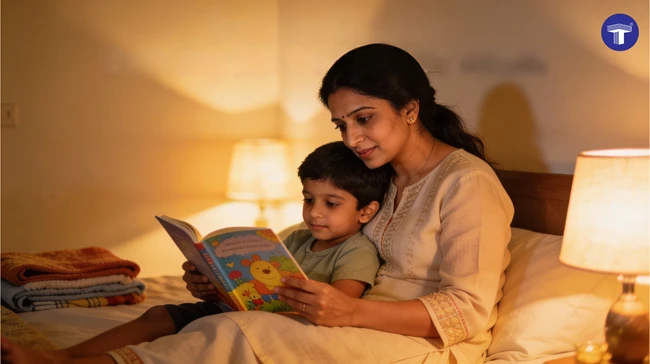
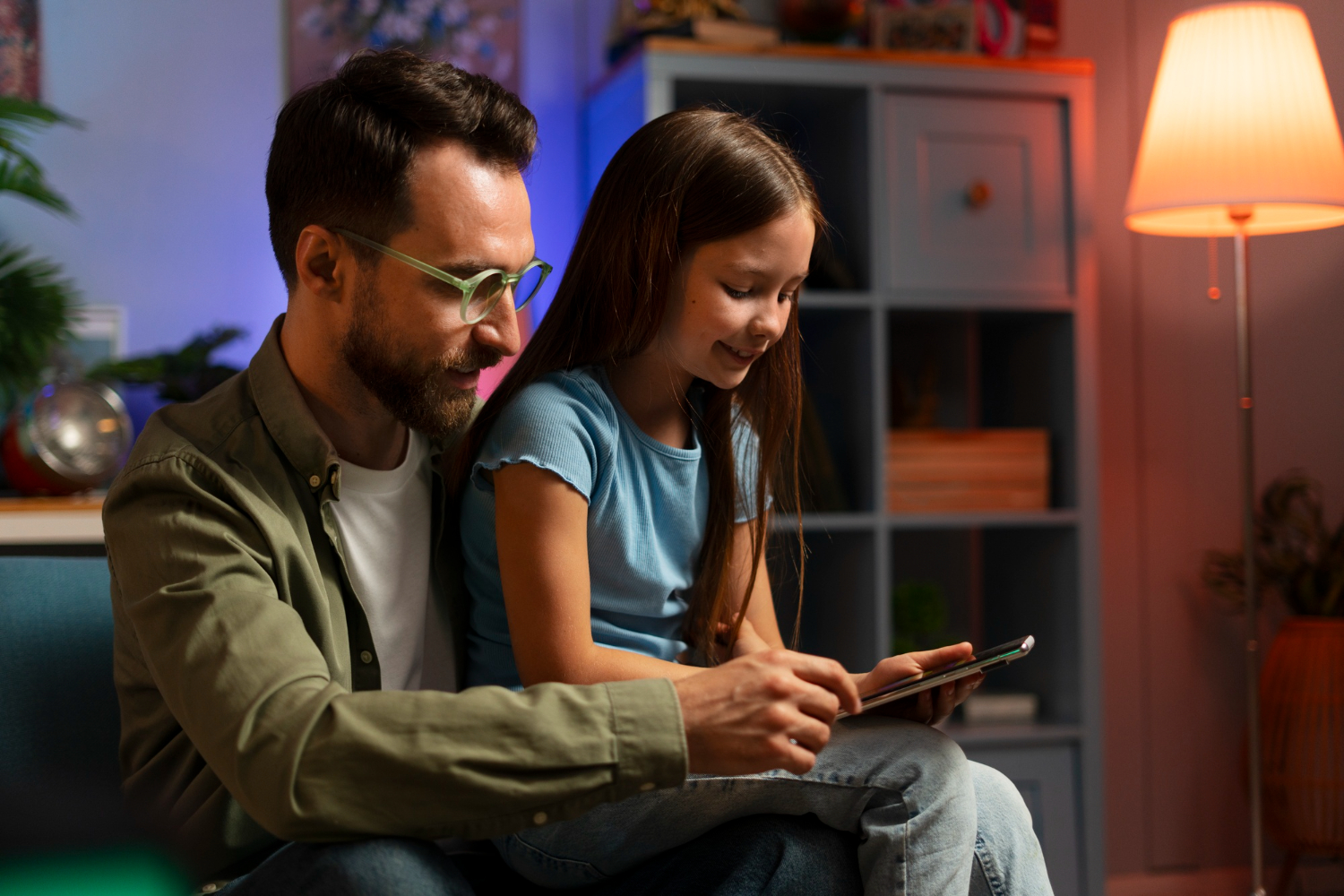
Mindful parenting in this new world will require us to stay involved, not just informed. We must sit beside our children and ask, “What do you think?” “How did you reach this answer?” “Does this sound like you?” “What would you change?” These questions may matter more than any parental control app.
AI can give our children faster answers.
But only life, effort, conversation and reflection can give them wisdom. And in the world they are growing into, wisdom will matter far more than speed.

Ruchira Darda
Ruchira Darda is a certified parenting coach (ACC), NLP Practitioner, author, and the founder of parentwithpurpose.in. She works with families across India through her initiatives WOW, MahaMarathon, and The Yellow Door.