 3 min read
 7 Changes to Make at Home to Raise a Calmer Child
Calm children are almost always raised in calm environments. Not perfectly quiet environments. Not environments without difficulty or conflict.

Calm children are almost always raised in calm environments. Not perfectly quiet environments. Not environments without difficulty or conflict. But environments that have predictability, safety, and a regulated adult presence.
The encouraging news: you have more control over your home's emotional climate than you might think. These 7 changes are practical, don't require a renovation, and many cost nothing at all.
7 HOME CHANGES FOR CALMER CHILDREN
Change 1: Lower the Background Noise
Many Indian homes have the TV on almost constantly - as background noise, as company, as habit. The news channel runs from morning. WhatsApp voice messages play at the kitchen table.
Here's what research tells us: constant background noise, especially unpredictable noise (news reports, adult argument, violence in media), raises cortisol levels in children even when they seem not to be watching. Create regular periods of quiet. Turn the TV off when no one is actively watching. This alone makes a measurable difference.
Change 2: Declutter One Space
Visual clutter increases cognitive load. In a cluttered space, the brain is constantly processing its environment - making it harder to relax, focus, or self-settle.
You don't need to Marie Kondo the entire house. Pick one space: your child's bedroom, or the main living area. Remove things that don't need to be there. Create clear, open surfaces. Give everything a place.
Children are significantly calmer in visually simple spaces. Their play is more focused, their sleep is better, and their behaviour in that space is typically more regulated.
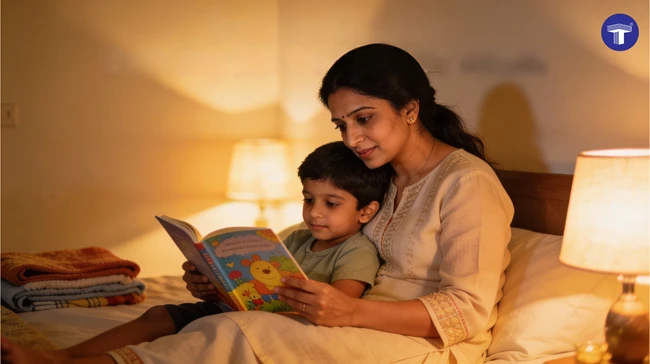
Change 3: Establish a Consistent Bedtime Routine
The sequence matters as much as the time. A child whose bedtime looks like: dinner → bath → teeth → one story → lights out → sleep, every night, knows what's coming. The nervous system begins to settle as soon as the routine starts.
Sequence: keeps the same even on weekends (within 30 minutes). If the routine is disrupted - travel, illness, a late event - the child's sleep and behaviour the following day will often reflect this. Protecting the bedtime routine is protecting the next day.
Change 4: Create a 'Calm Corner'
A small space - it can be a corner of a room, a specific chair, a floor cushion in a quiet area - that is designated as a place to go when overwhelmed. Stock it with:
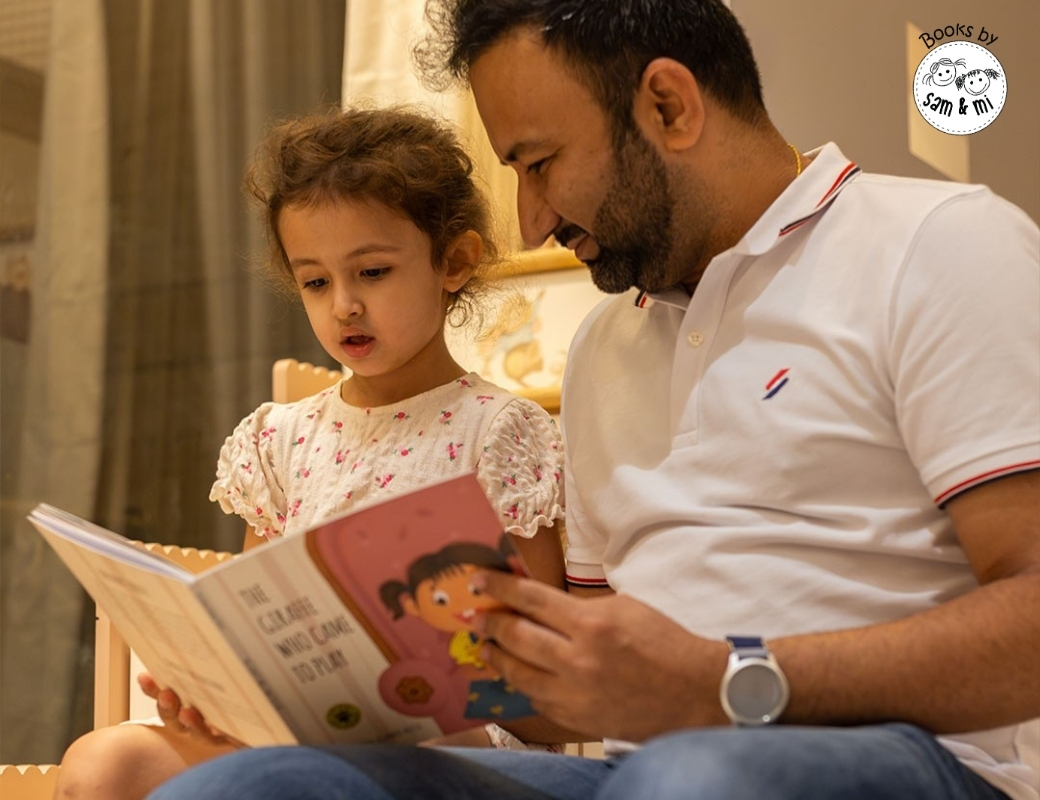
- A few soft books or comics
- A small fidget toy or textured object
- A comfort item
- A simple breathing card with instructions
Critical: this is NOT a punishment corner or a time-out space. It's a resource. 'When you're feeling too big, you can go there to feel smaller.' Introduce it on a calm day, not during a meltdown.
Change 5: Eliminate Rushed Mornings
The emotional tone of the morning sets the tone for the entire day. A child who leaves the house in a rush - being shouted at to eat faster, finding their uniform at the last minute, running for the school bus - carries that stress into their entire school day.
Prep everything the night before: uniform laid out, school bag packed, tiffin organised. Morning alarms set 15 minutes earlier than needed. Build in a 10-minute buffer of nothing. The payoff - a calmer child at school and a calmer parent at work - is significant.
Change 6: Model Calm - It Is Your Most Powerful Tool
Children co-regulate with their primary caregiver. This is not metaphor - it is neuroscience. A child's nervous system literally looks to the adult's nervous system for cues about safety. When you are regulated, they regulate. When you are dysregulated, they dysregulate.
This doesn't mean performing calm when you don't feel it. It means having tools for your own regulation: stepping away before you react, breathing before responding, having someone to call when you're overwhelmed. Your regulation is the most direct path to your child's regulation.
Change 7: Limit Adult Anxiety in Front of Children
Financial worry discussed at the dinner table. News watched all evening. Adult arguments overheard through thin walls. Medical anxiety spoken about within earshot.
Children absorb adult anxiety even when they're not the subject of it. They don't have the cognitive capacity to process it the way adults do - they just hold it in their bodies. Limiting how much adult-world stress spills into the shared family environment directly reduces children's background anxiety.
|
Change |
Cost |
Difficulty |
Impact |
|
Lower background noise |
Free |
Easy |
High |
|
Declutter one space |
Free/Low |
Medium |
Medium-High |
|
Consistent bedtime routine |
Free |
Medium |
Very High |
|
Create a calm corner |
Low (₹200-500) |
Easy |
High |
|
Eliminate rushed mornings |
Free |
Requires planning |
Very High |
|
Model your own calm |
Free |
Ongoing practice |
Very High |
|
Limit adult anxiety spillover |
Free |
Requires awareness |
High |
Quick Tip: Calm isn't the absence of noise or activity. It's the presence of predictability, safety, and a regulated adult. You are the most important 'calm corner' your child has.
Which change are you making this week? ��
#CalmParenting #CalmHome #AnxietyFreeKids #ParentWithPurpose #RaisingCalmChildren #HomeEnvironmentKids

Parent With Purpose
Parent with Purpose is your trusted parenting resource, offering expert advice, practical tips, and real experiences from fellow parents. Our content is organized by your child’s age, from pregnancy to the teen years, ensuring guidance that’s relevant to your current stage. Learn through articles, videos, podcasts, and courses that fit your lifestyle. We also provide carefully curated book lists, meal plans, product recommendations, and India-focused resources to make parenting easier and more informed.