 3 min read
 10 Ways Your Home Environment Shapes Your Child's Future
We spend enormous energy choosing the right school, the right tuition teacher, the right extracurricular activity. And these things matter.

We spend enormous energy choosing the right school, the right tuition teacher, the right extracurricular activity. And these things matter. But the single biggest determinant of your child's development is not any of these - it's your home. What happens within your four walls every day.
Not the size of your home. Not whether it has a study table or a separate room. The quality of what happens inside it.
10 THINGS THAT SHAPE YOUR CHILD FROM HOME
1. The Language Environment
Children who hear more words - more conversation, more storytelling, more reading aloud, more explanation of the world around them - develop stronger cognitive abilities, larger vocabularies, and better reading comprehension. This is true regardless of the language (Hindi, Marathi, English, or any mix).
The Hart and Risley study found that children from word-rich environments hear 30 million more words by age 3 than children from word-sparse environments. This gap shows up in school readiness and persists.
Talk more - at meals, during commutes, while doing household tasks. Explain things. Ask questions. Tell stories. The quantity and quality of language in your home is a direct investment in your child's brain.
2. Emotional Safety
A home where feelings are welcomed and not punished - where a child can say 'I'm scared' or 'I'm angry' without being dismissed, laughed at, or told to stop - creates a child with measurably better emotional regulation throughout their life.
Emotional safety doesn't mean there are no rules. It means that the child's inner world is treated as valid.
3. Predictable Routines
Children's nervous systems are regulated by predictability. When bedtime is consistent, when mealtimes are regular, when the morning routine is established - children feel safe. This reduced background anxiety frees up cognitive resources for learning, play, and growth.
You don't need a regimented schedule. You need an anchored rhythm: approximate wake-up time, regular meals, consistent bedtime. The rest can flex.
4. Access to Books
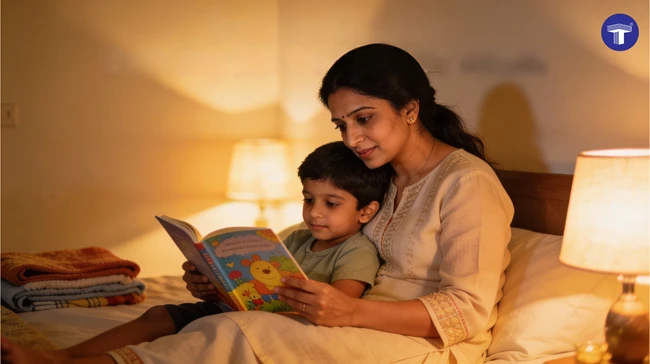
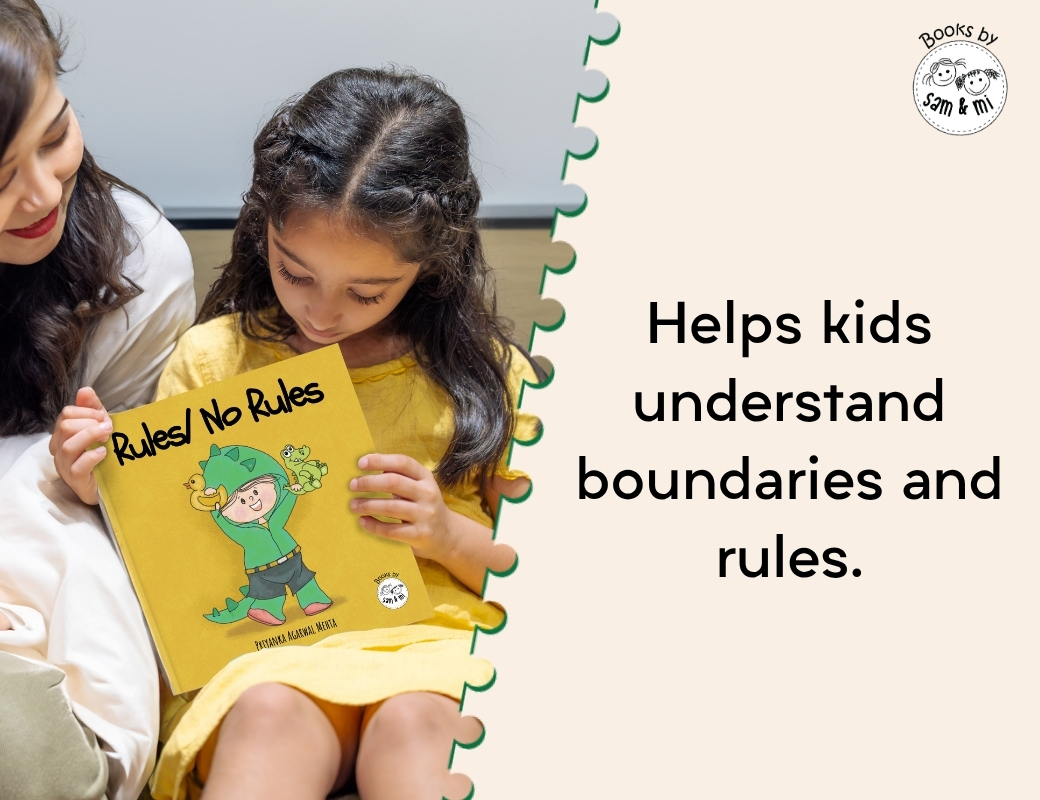
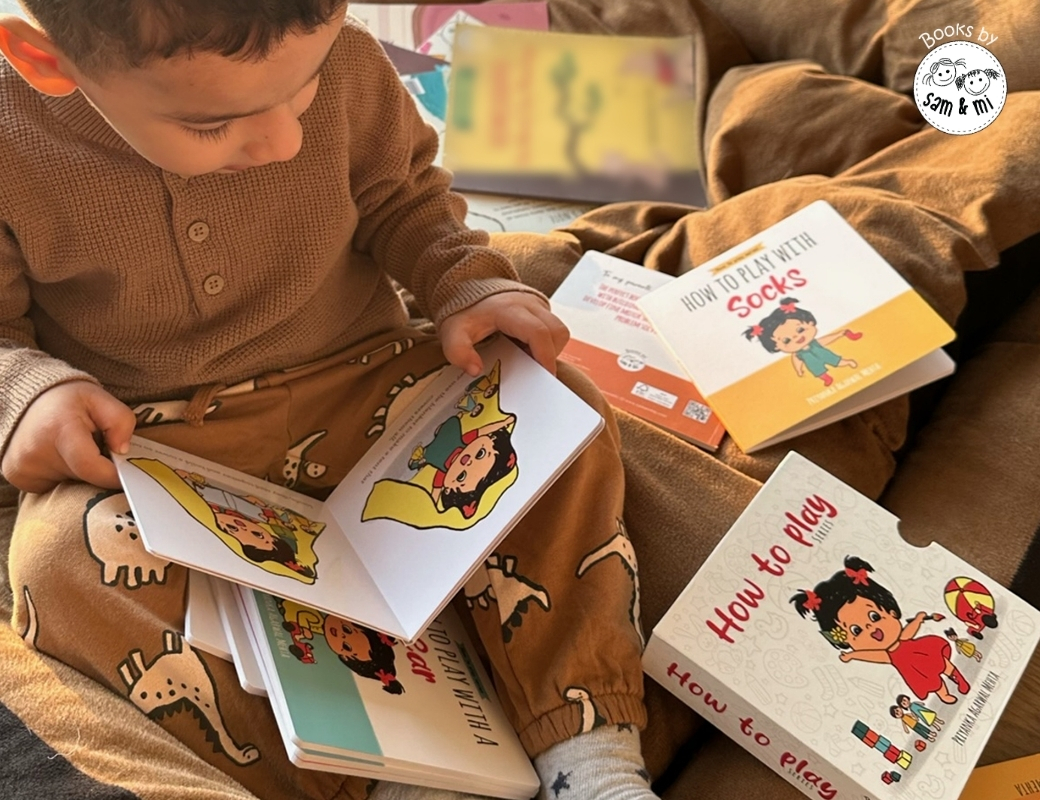
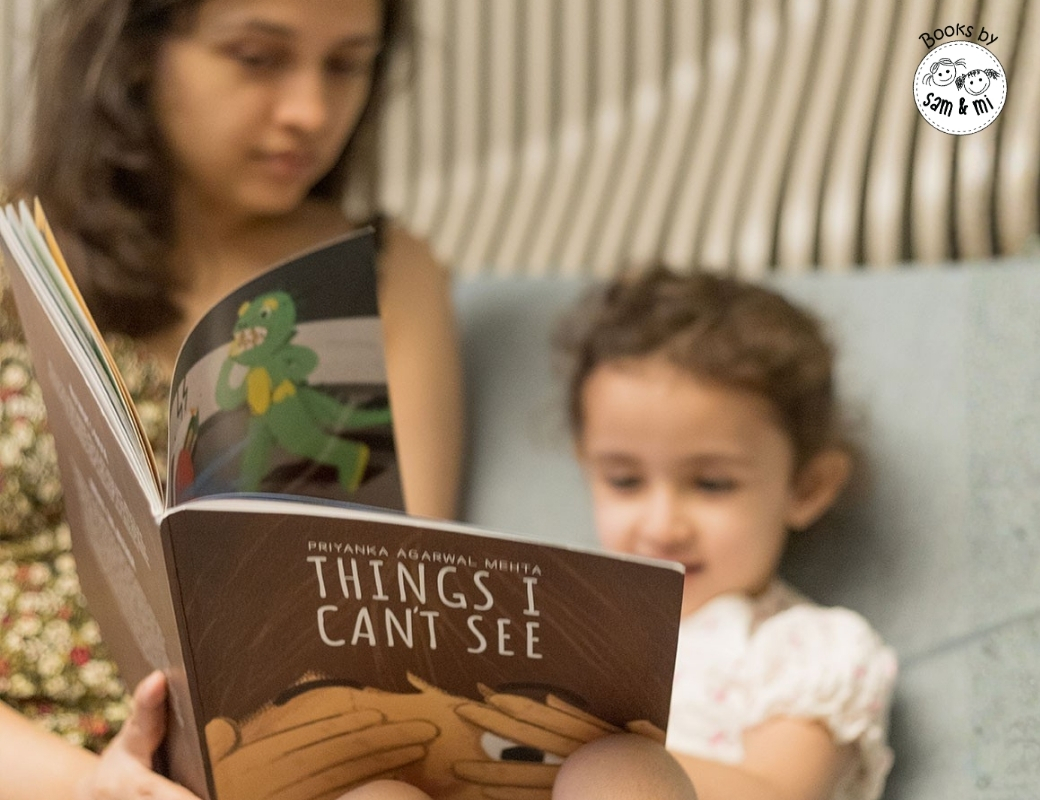
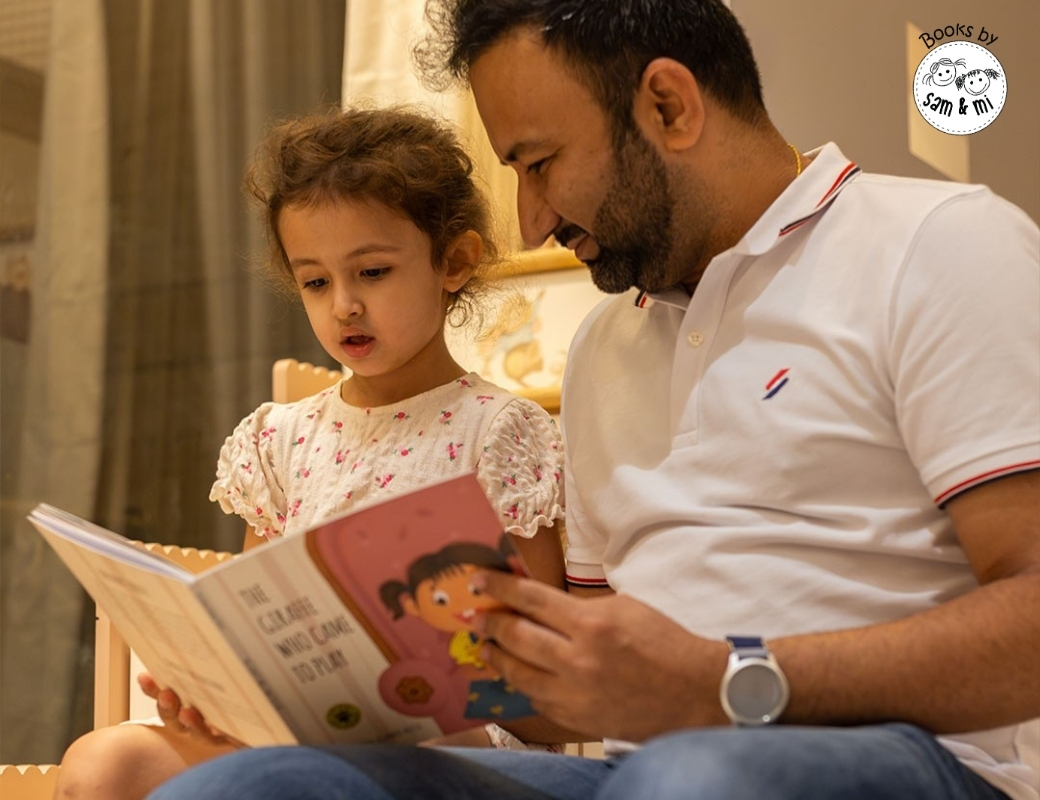
A landmark study found that having books in the home - even just 20 books - is independently associated with improved literacy outcomes for children, regardless of parental education level. Books don't need to be expensive. Secondhand books, library memberships, and school library access all count.
Keep books visible and accessible. A small shelf in the living area, books on the dining table, books by the bed. When books are part of the visible environment, children interact with them.
5. Access to Nature
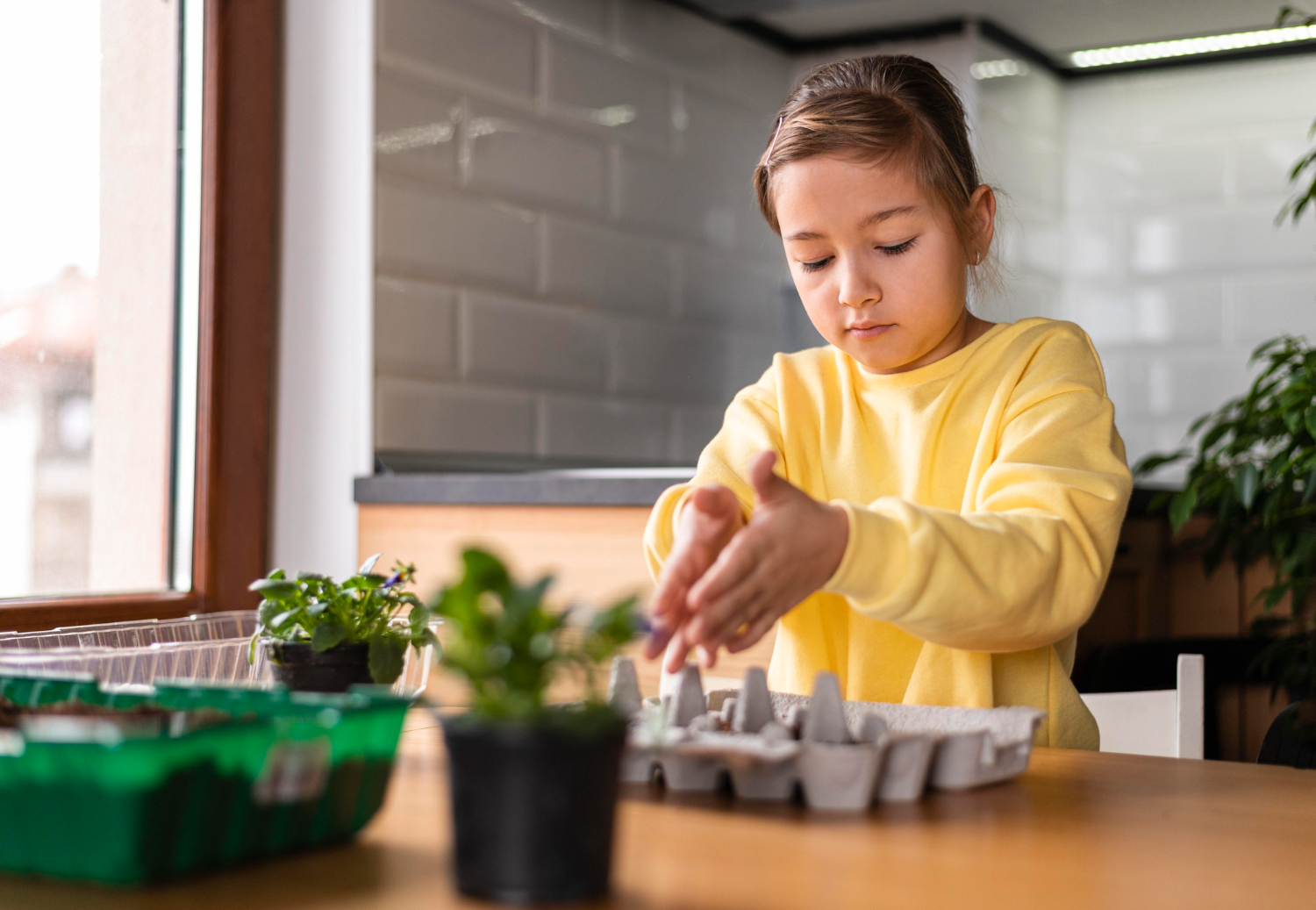
Regular access to outdoor and natural environments - even a building garden, a nearby park, a balcony with plants - directly supports attention, creativity, and wellbeing in children. Studies show 20 minutes in a green environment reduces cortisol and improves attention spans measurably.
This matters especially in urban apartments where outdoor access requires deliberate effort.
6. How Conflict Is Handled
Children in homes where conflict is navigated respectfully - disagreements resolved, apologies made, repairs completed - develop significantly better communication and conflict resolution skills than children in homes where conflict is either absent (suppressed) or explosive and unresolved.
7. The Dinner Table Conversation
Families who eat and talk together regularly - even 3–4 times a week - produce children with larger vocabularies, stronger social skills, and better mental health outcomes than families who eat in front of screens. The dinner table is the most underutilised developmental tool in most homes.
8. How Failure Is Treated
Homes where mistakes are discussed openly and without shame - where a failed test leads to 'what happened?' and 'what can we do differently?' rather than punishment or disappointment - produce more resilient, growth-oriented children.
9. The Presence of Music
Homes with regular music - a parent who sings, a radio that plays, an instrument being learned - show cognitive and emotional developmental benefits in children. Music activates more areas of the brain simultaneously than almost any other activity. Lullabies, classical music, devotional music, film songs - the genre matters less than the presence.
10. What Gets Celebrated
A home that celebrates effort over outcome, kindness over achievement, curiosity over correctness - raises children with stronger intrinsic motivation and more durable self-esteem than homes that only celebrate performance. What your family notices and names as worth celebrating tells children what they should value about themselves.
|
FOR FAMILIES IN SMALLER HOMES OR CHALLENGING CIRCUMSTANCES
You don't need space or money to create most of these conditions.
Language, emotional safety, predictability, how conflict is handled, what gets celebrated - none of these cost anything.
A one-room home with rich conversation, emotional warmth, and consistent routines provides more developmental richness than a large home with silence and emotional unpredictability. |
Quick Tip: You don't need to implement all 10. Pick the one that feels most manageable and most needed for your family right now. Small, consistent changes in home environment compound significantly over years.
Which of these is already a strength in your home? ��
#HomeEnvironment #ChildDevelopmentAtHome #ConsciousHome #ParentWithPurpose #ParentingEnvironment #HomeAndChild

Parent With Purpose
Parent with Purpose is your trusted parenting resource, offering expert advice, practical tips, and real experiences from fellow parents. Our content is organized by your child’s age, from pregnancy to the teen years, ensuring guidance that’s relevant to your current stage. Learn through articles, videos, podcasts, and courses that fit your lifestyle. We also provide carefully curated book lists, meal plans, product recommendations, and India-focused resources to make parenting easier and more informed.