 3 min read
Before You Post That Picture of Your Child, Pause for a Moment
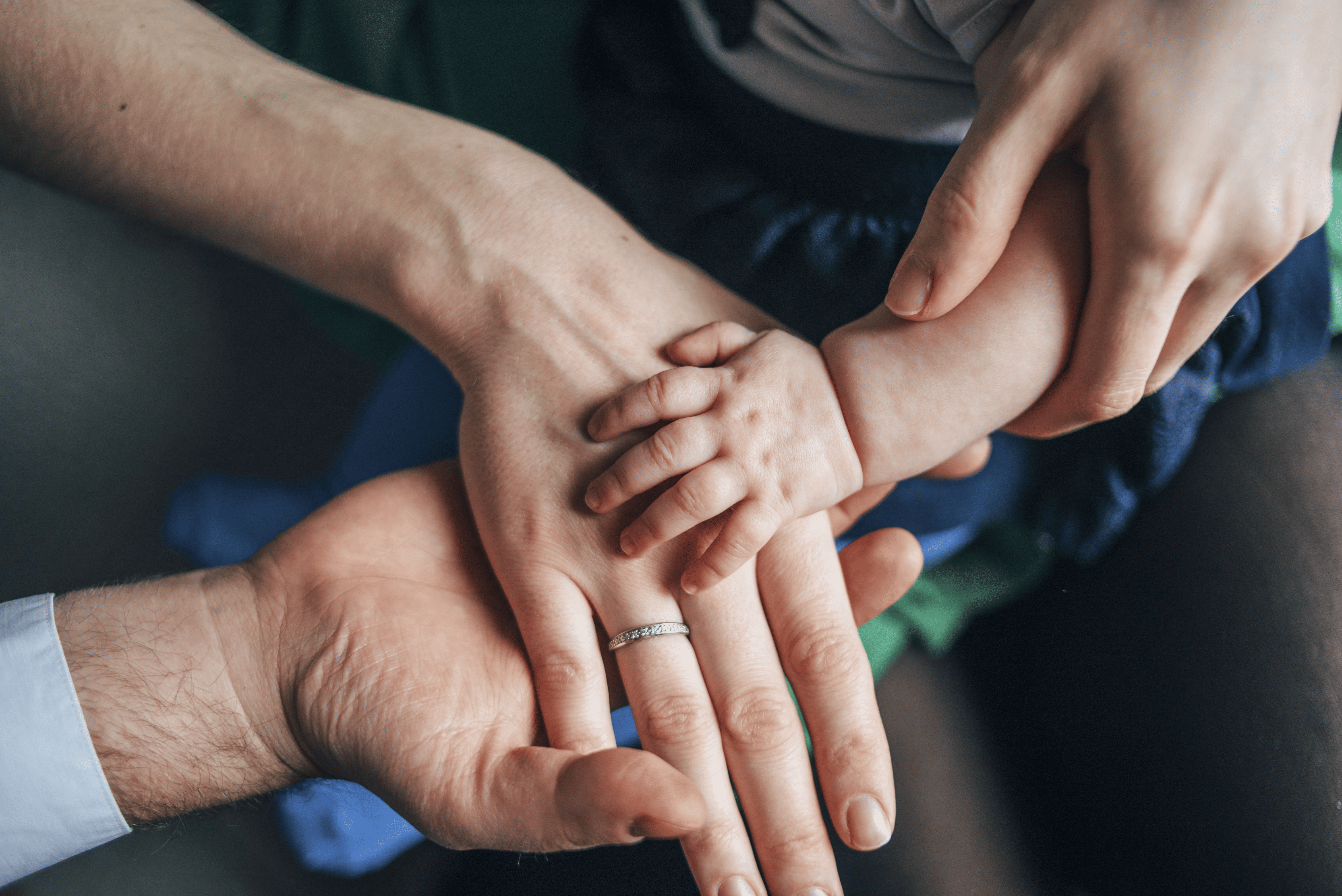
Digital footprints of your child



A parent recently asked me,
"What's the harm? They're just childhood photos."
It's a question I hear often.
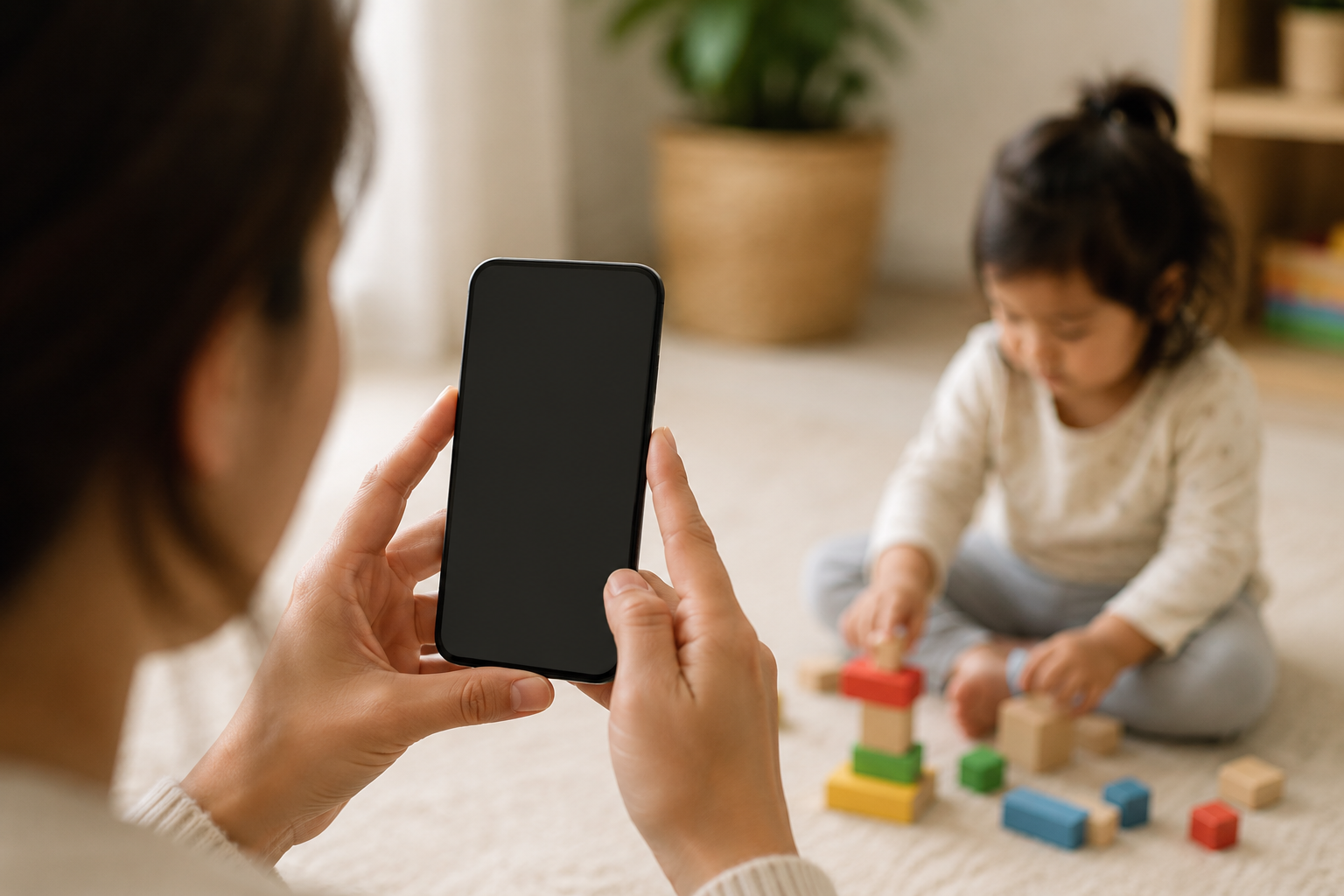
After all, we live in a world where sharing has become second nature. A first smile, the first day of school, a dance performance, a funny tantrum, a birthday celebration—we instinctively reach for our phones before we fully experience the moment.
As parents, we don't post because we want to harm our children. We post because we're proud. Because we want to preserve memories. Because our children bring us joy. But somewhere between documenting memories and creating content, an important question often gets lost: Who does this digital childhood really belong to?
Childhood is Temporary. The Internet Isn't.
Every photograph, every video, every caption contributes to something most children never chose—their digital identity. Long before they understand privacy, consent, or social media, a version of them already exists online.
One day, these children will become teenagers, young adults, professionals, and parents themselves. They may have very different feelings about the countless moments that were shared without their permission. A childhood should be something a child remembers—not something they inherit from the internet.
The Hidden Cost of Growing Up Online
The risks aren't always dramatic. Sometimes they are subtle. Children begin believing that every happy moment deserves an audience. They learn that celebrations aren't complete until they're posted. They may even begin performing for the camera instead of simply enjoying the experience. At the same time, parents unknowingly create another pressure—for themselves.
When social media becomes a highlight reel of perfect parenting, everyone starts comparing real life with carefully edited moments. No childhood is perfect.
No parent is perfect. Yet social media often convinces us otherwise.
Privacy Is a Skill Children Learn From Us
We often tell children not to share personal information online. But they learn far more from what we do than what we say. If we regularly upload their pictures, school details, locations, achievements, and personal stories, we're teaching them that privacy is optional. Respecting a child's boundaries begins much earlier than adolescence. It begins with asking ourselves: Does this really need to be online?
"But They're So Cute..."
They absolutely are. And that's exactly why we want to capture every moment. The answer isn't to stop taking photographs. The answer is to become more intentional about where those memories live. Some memories deserve an audience. Others deserve a family album. Some deserve a scrapbook. Some deserve to remain between the people who were actually there. Not every beautiful moment needs public validation to become meaningful.
Small Changes That Make a Big Difference
As parents, we can make simple shifts:
- Create private family albums instead of public posts.
- Avoid sharing school names, locations, uniforms, or identifying details.
- As children grow older, ask whether they're comfortable with a photo being shared.
- Teach digital citizenship by practising it ourselves.
- Capture experiences more than content.
- Share to educate or inspire—not simply to seek validation.
The Question Worth Asking
Before posting the next picture of your child, pause for just a few seconds and ask yourself: "If this photo were of me, would I want someone else deciding that it should stay online forever?"
Parenting has always been about protecting our children. Today, that protection extends beyond the physical world. It includes the digital one too. Because one day, our children will inherit many things from us. Let's make sure an unwanted digital footprint isn't one of them.

Riddhi Doshi Patel
A Certified Child Psychologist, Mental Health Practitioner, Parenting Counselor, Dance Movement Therapist, 3x TEDx Speaker & Advisor to 16 TED-ED Clubs, Riddhi Doshi Patel is an ardent professional who walks the alley of her mission to redefine parenting and facilitates positive transformation in that space. A well-known advocate for Mental Health Awareness, she has touched more than 1.5 million lives through one-on-one counselling, parenting workshops & mental health seminars. She recently launched her startup - EmOcean - a place where children and adults can work on their emotions and get equipped to manage it well. As an enterprising woman, Riddhi believes that every woman is a powerhouse of potential. As a Founder of LAJA – India’s first forum for women that focuses on Women’s Development, Growth & Self-Empowerment, she catalyzes the growth path for women in varied arenas. In less than a decade, she has expanded the reach of LAJA with 14 Chapters across India, creating a significant impact in the lives of rural & urban women, and contributing to their growth, development & empowerment. Besides her work in Parenting & Women Empowerment space, Riddhi also collaborates with corporate organizations and leverages her expertise to create awareness about mental health through training programs & workshops. As a qualified trainer, she has conducted hundreds of training programs for corporates, individuals, educational institutions & NGOs. With her zealous endeavors, she has earned the distinction of conducting the very first Online Roundtable Conference to discuss the recommendations of NEP 2020; she also submitted a whitepaper on the churnings from the same to the Ministry of Education. Recently, she organized India's first Teen roundtable conference , where 16 teens from across India joined to support the white paper to be rained in regard to 7 segments of Teen's Health For more than 2 decades, Riddhi has been instrumentally driving the change in the mental health & parenting space. In a book she authored – ‘Ajay Doshi – Meri Nazro Se’ she illuminates our minds by sharing insights on her father’s parenting style and her takeaways from that. At a global level, her book elevates her stand to the 17th position among the authors who wrote about their father. As a multipotentialite, she has many accolades to her credit. She is the recipient of multiple awards including the National Award , Karamaveer Chakra and Young Entrepreneur Award.