 5 min read
 Balancing Personal Identity and Parenthood
Becoming a parent is one of the biggest changes life can bring. It doesn’t just add a new role to your life—it reshapes your entire world. Your time changes. Your priorities shift. Your daily routine looks completely different.

And somewhere in the middle of all this, a quiet question may arise:
“What about me?”
Not in a selfish way. But in a very real, human way. Who am I now? Will I still have space for myself? Will I lose the person I used to be? If you’ve ever felt this, you’re not alone. Balancing personal identity and parenthood is not about choosing one over the other. It’s about learning how both can exist together.
You Don’t Stop Being You—You Expand
One of the biggest fears people have is losing themselves after becoming parents. And yes, things will change.
But here’s a different way to look at it:
You are not losing your identity.
You are expanding it.
You are still the same person—with your thoughts, your interests, your personality. Parenthood doesn’t erase that. It adds a new layer to it. The challenge is not “holding on” to your old self exactly as it was… but allowing yourself to grow into a version that includes both.
The Shift That Feels Uncomfortable
Let’s be honest. The early phase of parenthood can feel overwhelming. Your routine is no longer fully yours. Your time is shared. Your energy is often stretched. And during this time, it’s easy to feel disconnected from yourself.
You may think:
“I don’t have time for the things I used to enjoy.”
“I feel like my whole day revolves around someone else.”
This discomfort is real. But it’s also temporary. Adjusting to a new role always takes time. And during that adjustment, it’s normal to feel a little lost.
Why This Balance Matters
You might wonder—
“Is it really important to think about myself right now?”
Yes, it is.
Because when you stay connected to yourself:
- You feel more emotionally stable
- You have more patience
- You feel less frustrated or drained
And that directly affects how you show up as a parent. Taking care of your identity is not selfish. It’s actually part of being a healthy, present parent.
Let Go of the “All or Nothing” Thinking
One common mistake is thinking in extremes.
Either:
“I focus completely on my child”
or
“I try to hold on to my old life exactly as it was”
But real balance doesn’t work like that. It’s not about choosing one side. It’s about finding small ways to include both. Maybe you won’t have hours for yourself like before. But even small moments matter. A few minutes of something you enjoy. A short break. A simple activity that feels like “you.” These small pockets of time can make a big difference.
Redefining What “Me Time” Looks Like
Before parenthood, “me time” might have meant long outings, hobbies, or complete freedom. Now, it may look different. And that’s okay.
Maybe it’s:
- Sitting quietly for a few minutes
- Listening to music
- Talking to a friend
- Doing something creative in small bits
It may not be the same—but it still counts. Instead of comparing it to the past, accept the new version of it.
Staying Connected to What You Love
Think about the things that make you feel like yourself. Your interests. Your passions. Your small joys. You don’t have to give them up completely. You may just need to adjust how you engage with them.
If you loved reading—maybe shorter reading time.
If you enjoyed fitness—maybe simpler routines.
If you liked creativity—maybe smaller projects.
The goal is not perfection. It’s connection.
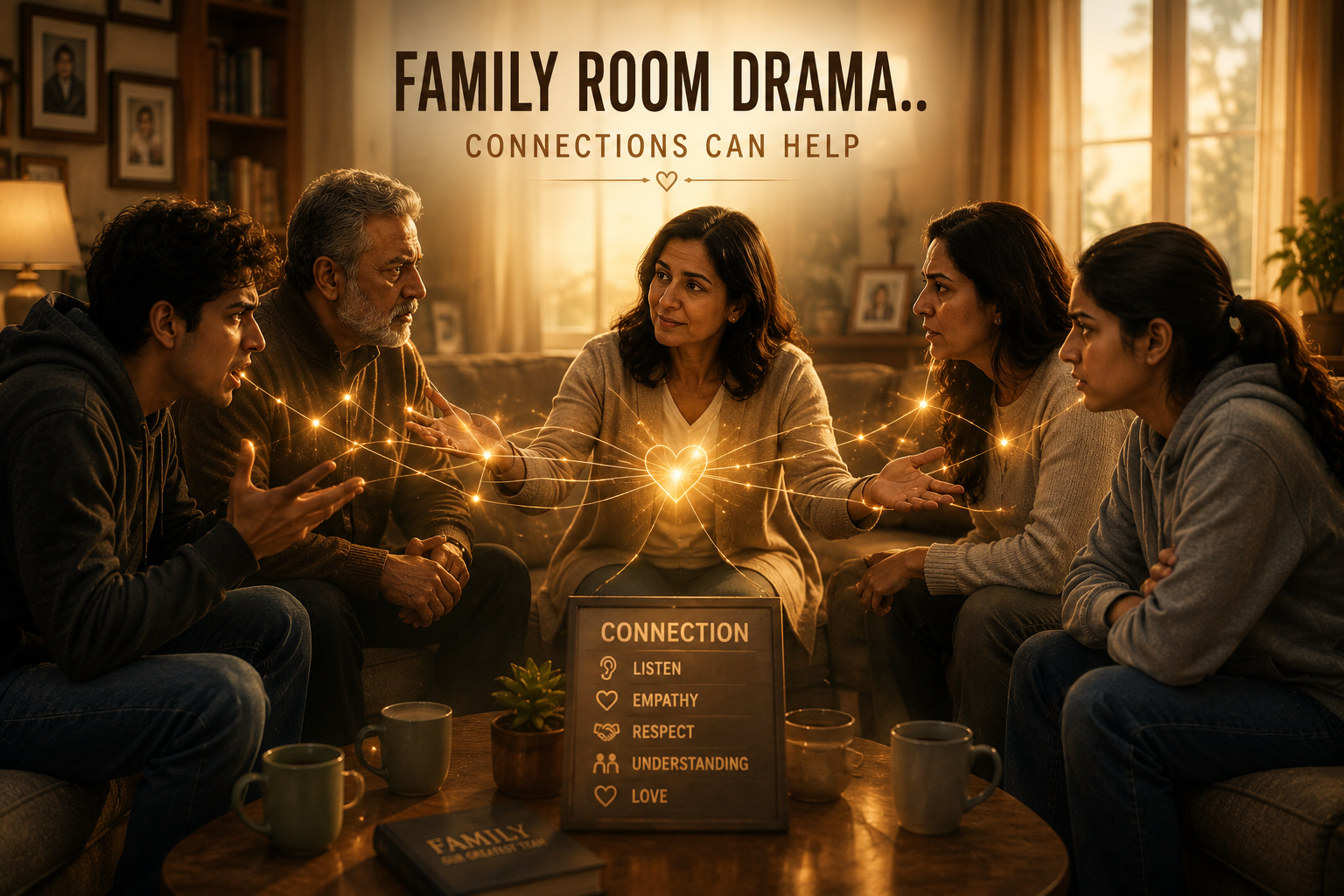
Communication With Your Partner Matters
If you have a partner, balance becomes easier when both of you support each other.
Talk about:
- Your need for personal time
- Sharing responsibilities
- Supporting each other’s space
When both partners understand this need, it reduces guilt and builds teamwork. Because balance is not something you achieve alone—it’s something you create together.
Let Go of Guilt
This is one of the biggest emotional barriers. Many parents feel guilty for wanting time for themselves.
They think:
“Shouldn’t I be focusing only on my child?”
“Is it wrong to want space?”
But here’s the truth:
Taking care of yourself does not take away from your child. It adds to your ability to care for them better. Guilt often comes from unrealistic expectations. Let go of the idea that you have to give 100% every single moment. You are human.
Accept That Balance Will Not Be Perfect
Some days will feel balanced. Some days will feel completely off. That’s normal. Balance is not a fixed state—it keeps changing. Instead of aiming for perfection, aim for awareness. Notice when you feel drained. Notice when you need a break. And adjust when you can.
Keep Your Inner Identity Alive
Even when you don’t have time for activities, your identity still lives in your thoughts, values, and mindset.
You are still:
- A thinker
- A dreamer
- A person with opinions and ideas
Staying connected to your inner self is just as important as external actions.
Growth Is Part of Identity Too
Sometimes, we try so hard to hold on to who we were…
that we resist who we are becoming. But growth is not loss.
You may become:
- More patient
- More understanding
- More emotionally aware
These are not replacements of your identity. They are additions.
The Importance of Small Breaks
Even short breaks can reset your mind. You don’t need hours.
Sometimes, just:
- Stepping away for a few minutes
- Taking a quiet moment
- Breathing and pausing
can help you feel more centered. These small breaks protect your emotional balance.
When You Feel Lost—Pause, Don’t Panic
There may be moments when you feel completely disconnected from yourself. Like you don’t recognize your routine or your thoughts. When this happens, don’t panic. It doesn’t mean you’ve lost yourself. It just means you are in a phase of adjustment.
Pause.
Give yourself time.
Things will settle.
Create Small Anchors in Your Day
Anchors are small habits that keep you connected to yourself.
It could be:
- Morning quiet time
- A daily walk
- A few minutes of reflection
- A small routine you enjoy
These anchors bring a sense of stability in a changing routine.
Your Child Doesn’t Need You to Disappear
Sometimes, parents feel they need to completely sacrifice themselves. But children don’t need that.
They need:
- A present parent
- A calm parent
- A parent who feels emotionally balanced
And that comes from someone who hasn’t lost themselves completely.
Final Thought: Balance Is a Journey, Not a Destination
There is no perfect point where everything suddenly feels balanced. It’s something you keep adjusting. Some days you give more to your child. Some days you give a little back to yourself. And over time, you find a rhythm. A rhythm that includes both.
A Gentle Reminder
You are not just becoming a parent. You are also becoming a new version of yourself. And that version deserves attention, care, and space too. So take a breath. You don’t have to choose between yourself and your child. You can hold both. And that’s where true balance begins.

Parent With Purpose
Parent with Purpose is your trusted parenting resource, offering expert advice, practical tips, and real experiences from fellow parents. Our content is organized by your child’s age, from pregnancy to the teen years, ensuring guidance that’s relevant to your current stage. Learn through articles, videos, podcasts, and courses that fit your lifestyle. We also provide carefully curated book lists, meal plans, product recommendations, and India-focused resources to make parenting easier and more informed.