 1 min read
 Time Keys: The Impossible Gladiator — A Time-Travel Adventure for Young Minds
Time Keys: The Impossible Gladiator is the next exciting title in the Time Keys series, coming in February 2026. Full of historical mystery and time travel, it’s perfect for kids aged 5–10 who love adventure and learning. This blog explores how the book supports curiosity, critical thinking, and historical awareness.




Time Keys: The Impossible Gladiator
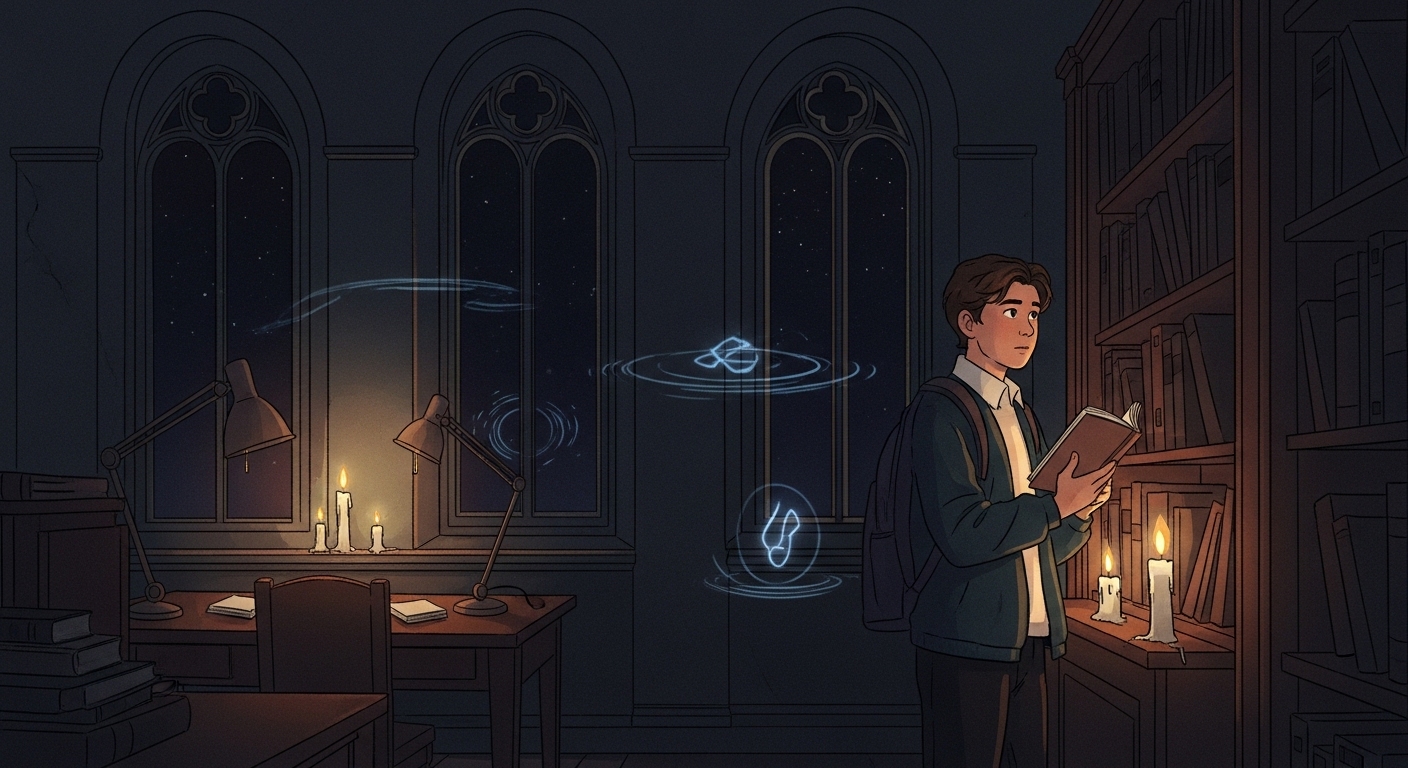
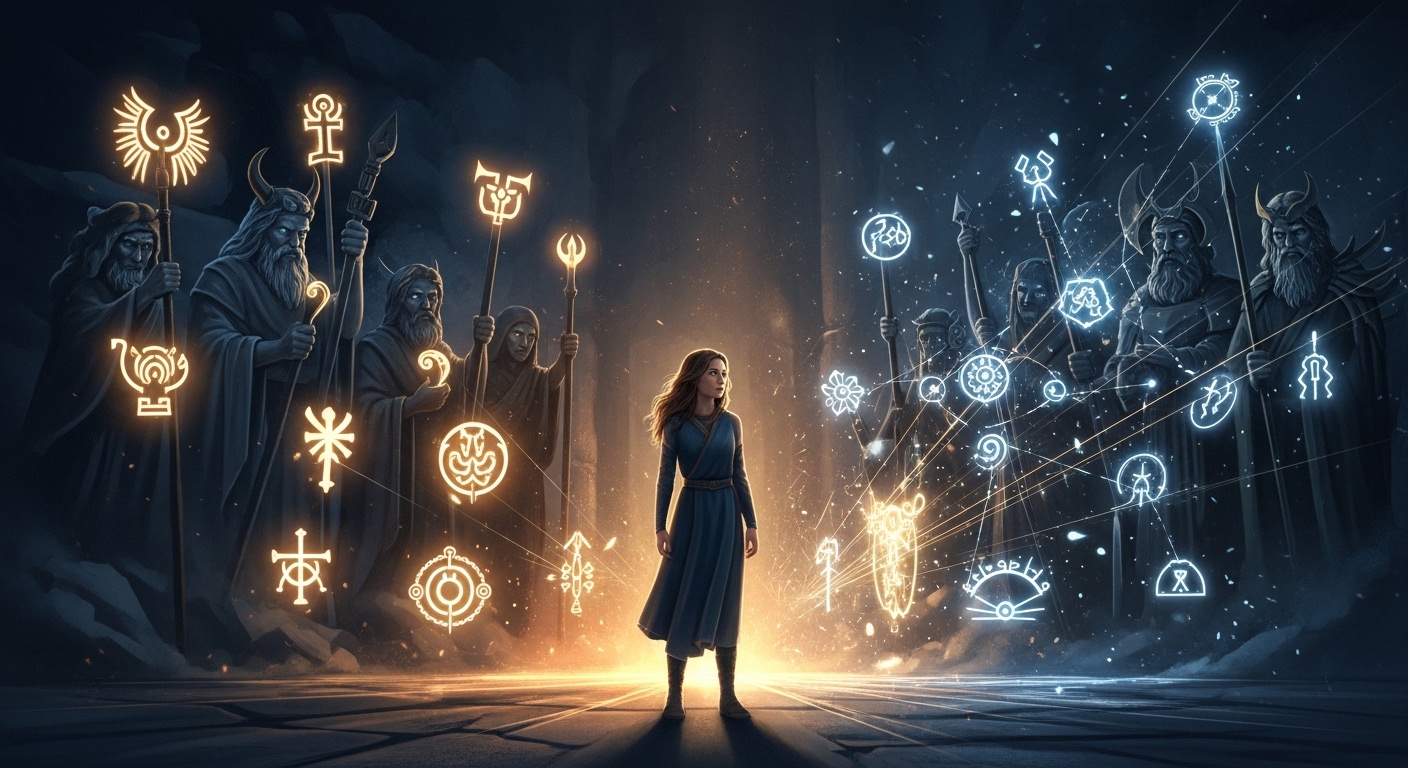
Time travel stories appeal strongly to young readers who seek adventure and wonder. In Time Keys: The Impossible Gladiator, a group of curious kids unlock time keys that send them to Ancient Rome, where they must solve historical puzzles while navigating gladiator-era challenges.
Filled with action and vivid historical scenes, this release makes history feel alive and relevant.
Why It’s Great for Kids
1. Encourages Curiosity About History
Kids engage with ancient cultures and historical settings, building early interest in world history.
2. Enhances Problem-Solving
Mystery and puzzle elements invite readers to think critically and predict outcomes.
3. Balances Learning and Fun
Young readers absorb facts naturally while enjoying a vivid adventure.
Developmental Benefits
Books that blend fiction with historical elements help kids connect fiction to real-world learning. Critical thinking and imagination both grow as children follow plot twists and character choices.
Tips for Parents
✔ Read together and talk about historical facts in the story.
✔ Visit a local museum or use online maps to explore the time period.
✔ Ask your child what they would do if they found a time key.
Time Keys: The Impossible Gladiator combines high-adventure with thoughtful learning — perfect for curious readers.

Ruchira Darda
I am Ruchira Darda, a relationship coach, parenting expert, author, and entrepreneur with over 16 years of experience. Based in Mumbai, I work extensively in the areas of mindful living and emotional wellness. I am a TEDx speaker and focus on personality identification to help individuals and families build stronger, healthier relationships. I also lead and actively support initiatives such as the Lokmat MahaMarathon.