 1 min read
 The Dream Factory — Imagination, Creativity, and Mindset for Young Readers
The Dream Factory (Steph Matuku, illustrated by Zak Atea) arrives in April 2026 and tells a whimsical tale about a factory that creates dreams. This children’s book blends imagination and problem-solving — ideal for ages 5–10. This blog explores how it supports creativity, emotional expression, and storytelling skills.




The Dream Factory – Blog
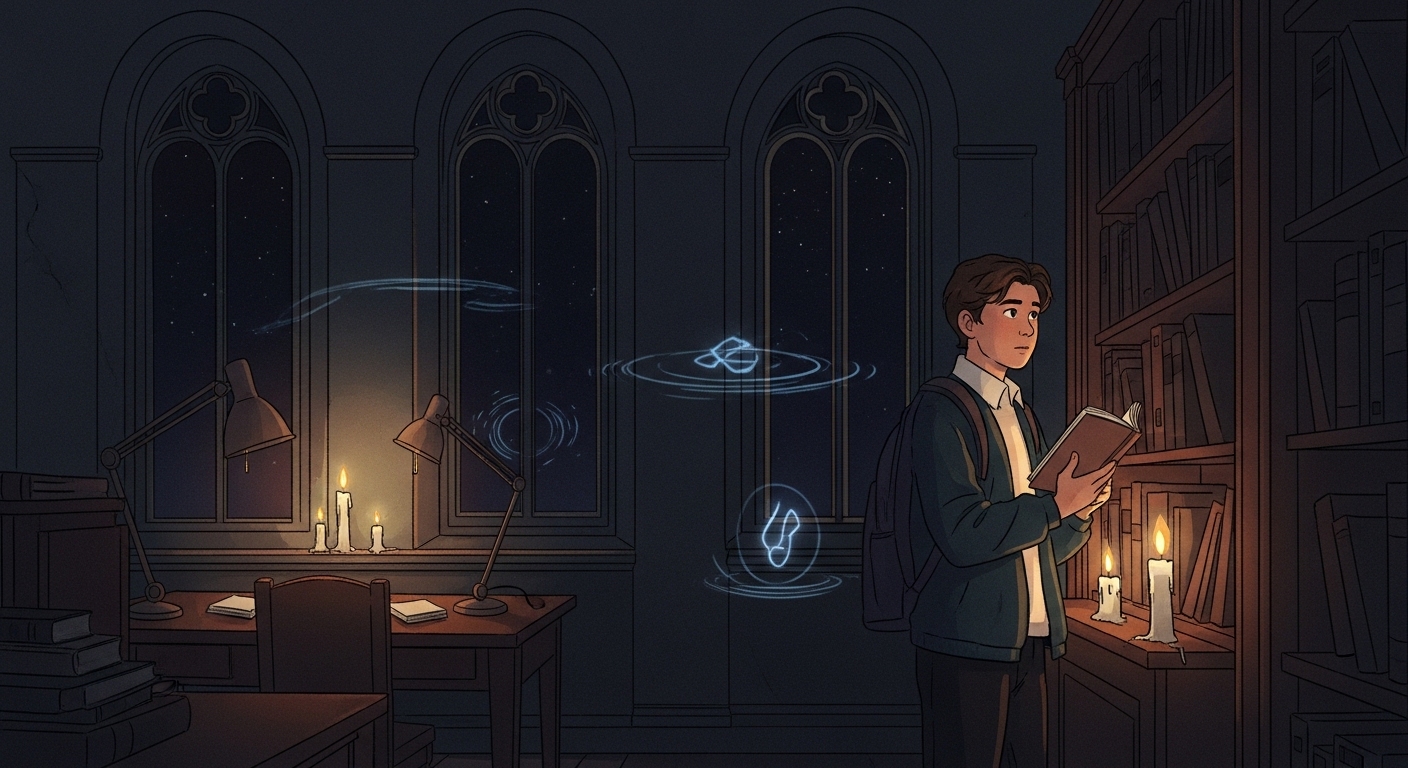
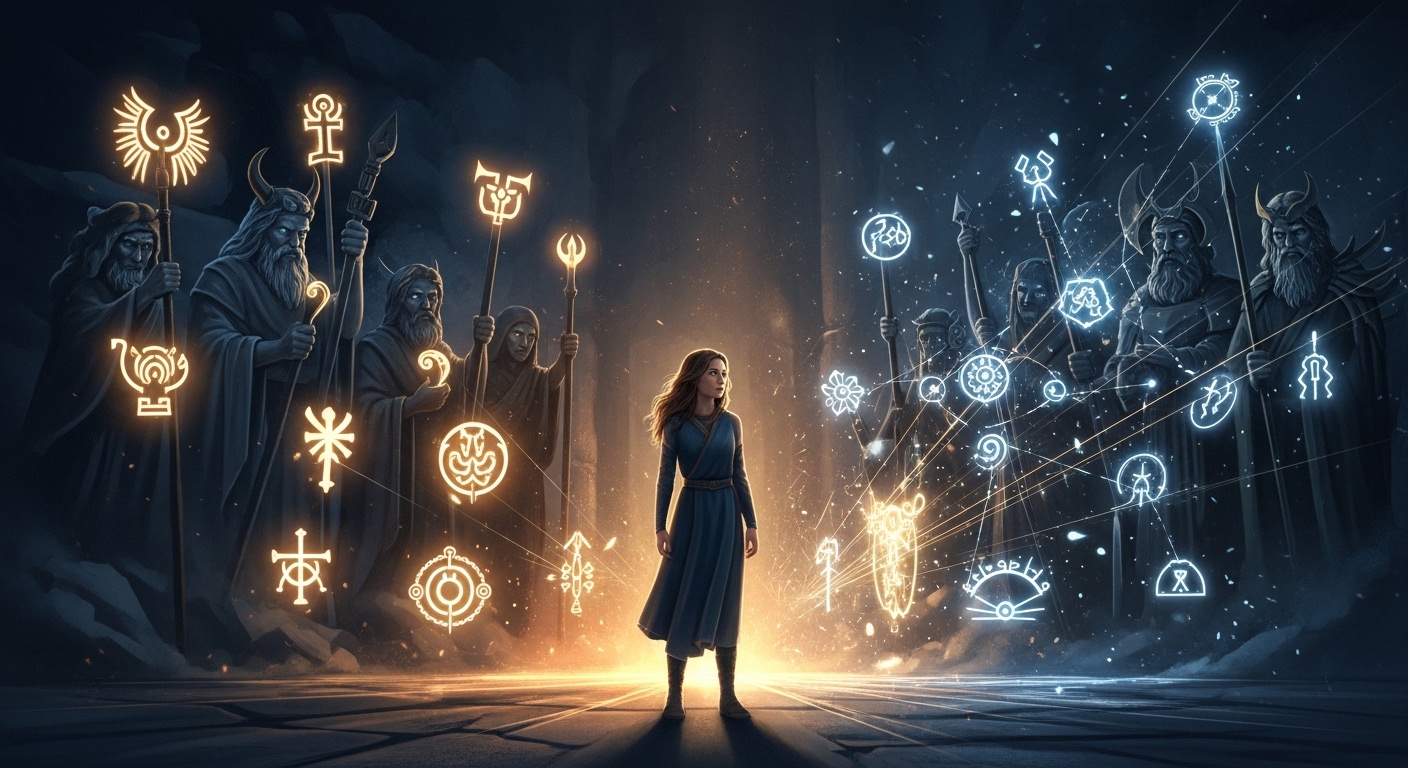
Imagination is at the heart of childhood development, and The Dream Factory delivers a magical narrative that both inspires and nurtures young minds. In this story, a mystical dream factory accidentally sends dreams into the waking world, launching a spellbinding adventure that teaches resilience and creativity.
Why It’s Great for Kids
1. Sparks Creativity
The fantastical concept encourages kids to imagine possibilities beyond reality.
2. Emotional Exploration
Dreams often reflect feelings — this story helps children understand emotions by framing them as something magical and meaningful.
3. Storytelling Skills
Rich narrative and playful language support early reading comprehension and creative expression.
Developmental Benefits
Children aged 5–10 benefit from narratives that invite them to explore internal worlds — thinking about dreams, emotions, and how they relate to real life. This supports both emotional intelligence and creative thinking.
Tips for Parents
✔ Ask your child to describe a dream and illustrate it.
✔ Read a chapter before bedtime to spark imaginative conversations.
✔ Encourage journaling or creative drawing inspired by the book.
The Dream Factory is a delightful 2026 release that nurtures imagination and emotional reflection

Ruchira Darda
I am Ruchira Darda, a relationship coach, parenting expert, author, and entrepreneur with over 16 years of experience. Based in Mumbai, I work extensively in the areas of mindful living and emotional wellness. I am a TEDx speaker and focus on personality identification to help individuals and families build stronger, healthier relationships. I also lead and actively support initiatives such as the Lokmat MahaMarathon.