 1 min read
 Poor Sleep Patterns and Nighttime Resistance
Lack of movement during the day often disrupts sleep at night. This blog explains how physical activity supports healthy sleep in children aged 5–10.




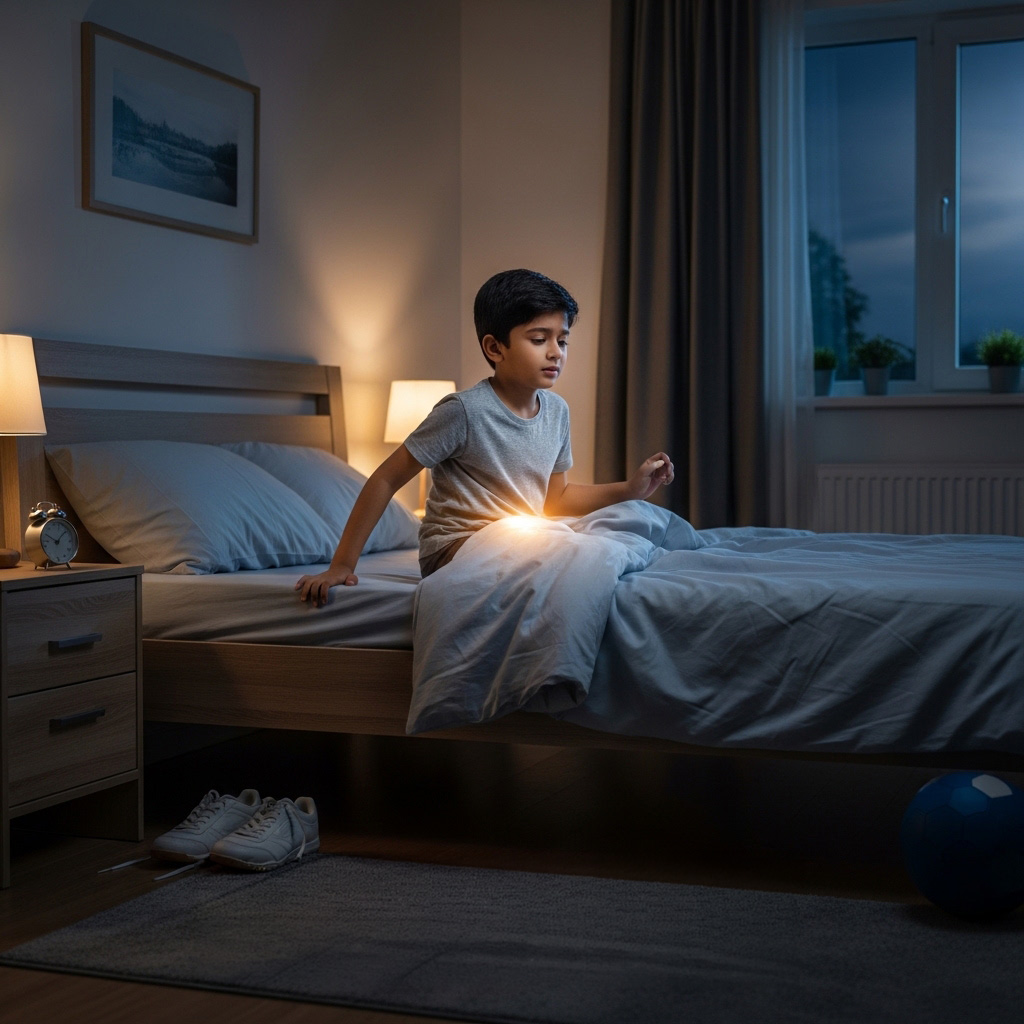
Children who don’t get enough physical movement during the day often struggle when it’s time to sleep. Their bodies may be physically under-tired while their minds remain restless. Regular physical activity helps regulate circadian rhythms, the internal clock that tells the body when to be awake and when to rest. When this rhythm is balanced, falling asleep becomes easier and sleep becomes deeper and more restorative.
Sedentary children frequently show signs of disrupted sleep. They may resist bedtime, take a long time to fall asleep, wake repeatedly during the night, or wake up feeling tired despite spending enough hours in bed. Without sufficient movement, excess energy and emotional tension have no outlet, making it harder for the nervous system to settle at night.
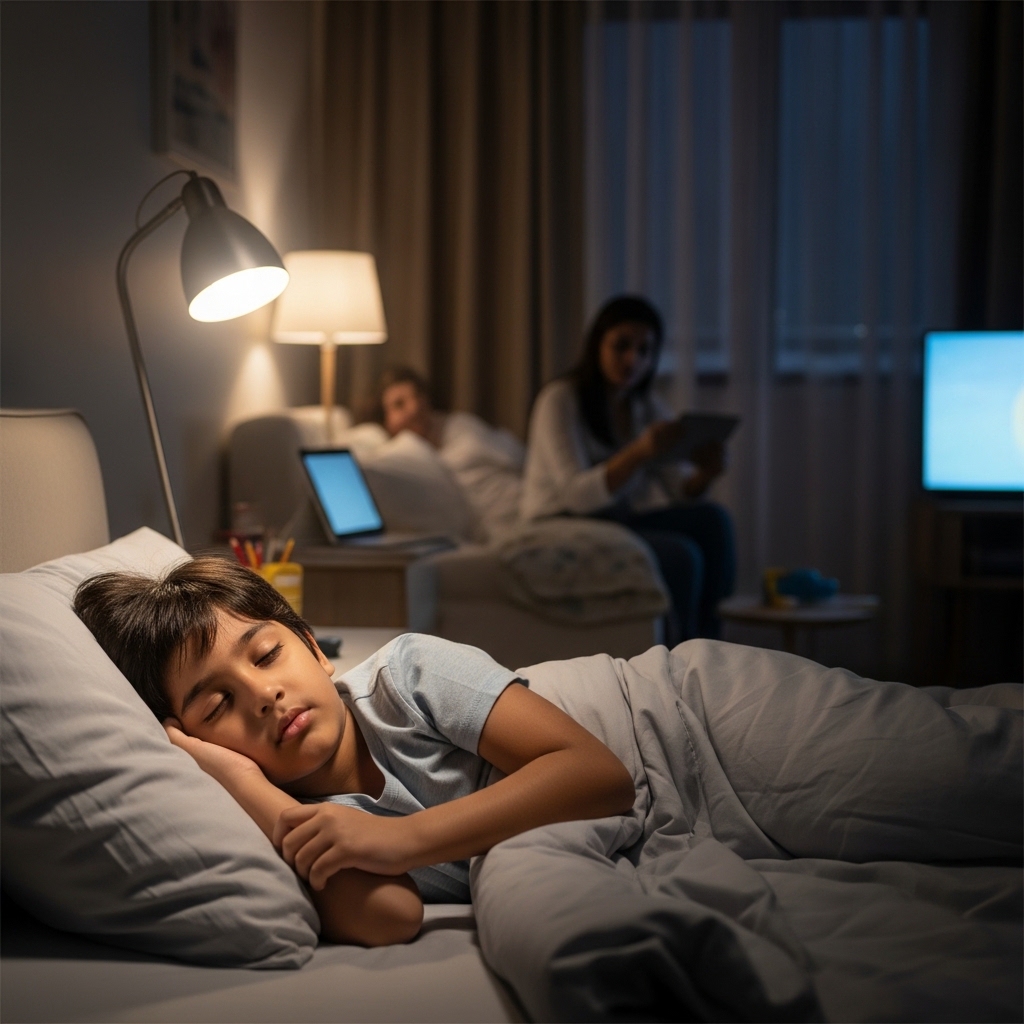
Active days naturally prepare the body for restful nights. Physical movement supports the healthy release of melatonin, the sleep hormone, while also reducing stress hormones that interfere with sleep. Movement also promotes emotional calm, helping children unwind more easily at bedtime.
Sleep does not begin at night—it is built throughout the day. Good sleep starts with active days.
When children move, play, and expend energy regularly, their bodies and minds learn to rest well.

Ruchira Darda
I am Ruchira Darda, a relationship coach, parenting expert, author, and entrepreneur with over 16 years of experience. Based in Mumbai, I work extensively in the areas of mindful living and emotional wellness. I am a TEDx speaker and focus on personality identification to help individuals and families build stronger, healthier relationships. I also lead and actively support initiatives such as the Lokmat MahaMarathon.