 1 min read
 Emotional Outbursts and Irritability – A Hidden Sign of Physical Inactivity
Emotional meltdowns can signal unmet physical needs. This blog explains the link between movement and emotional regulation in young children.




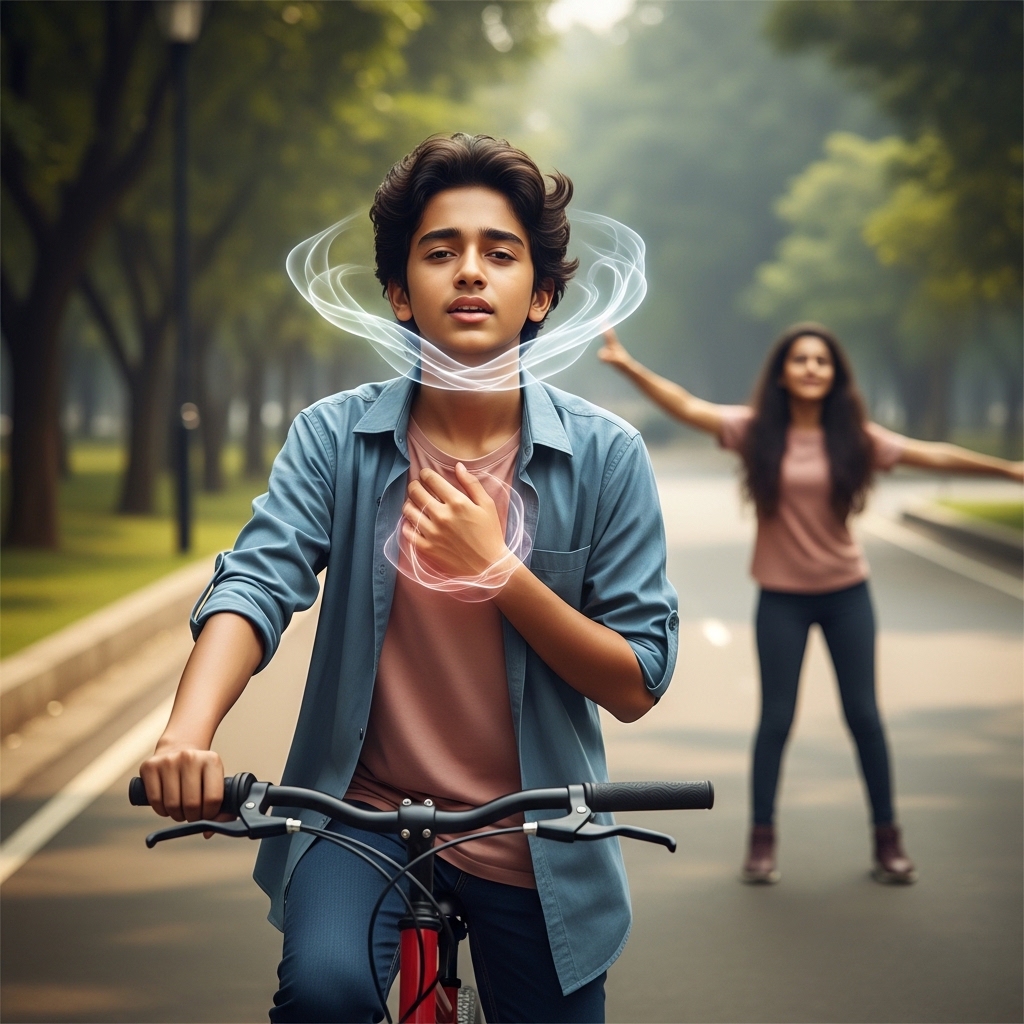
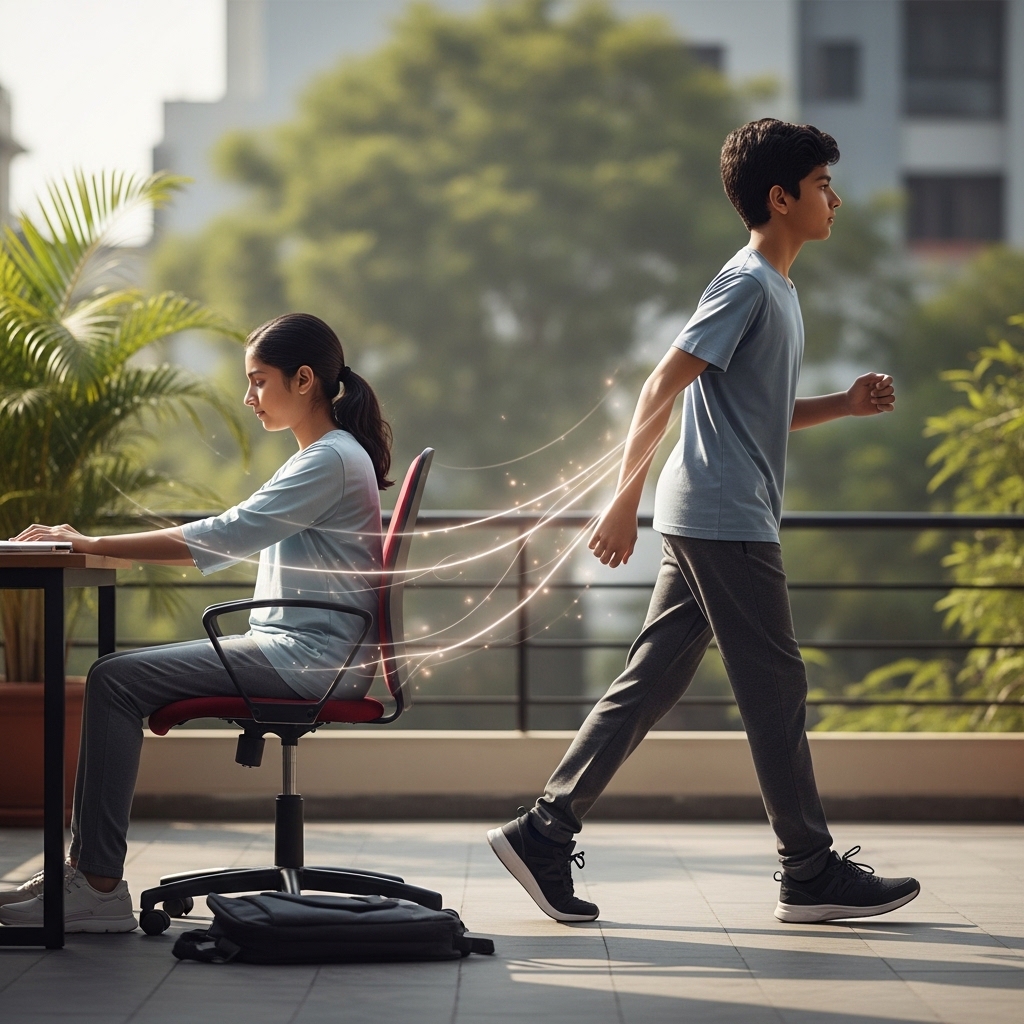
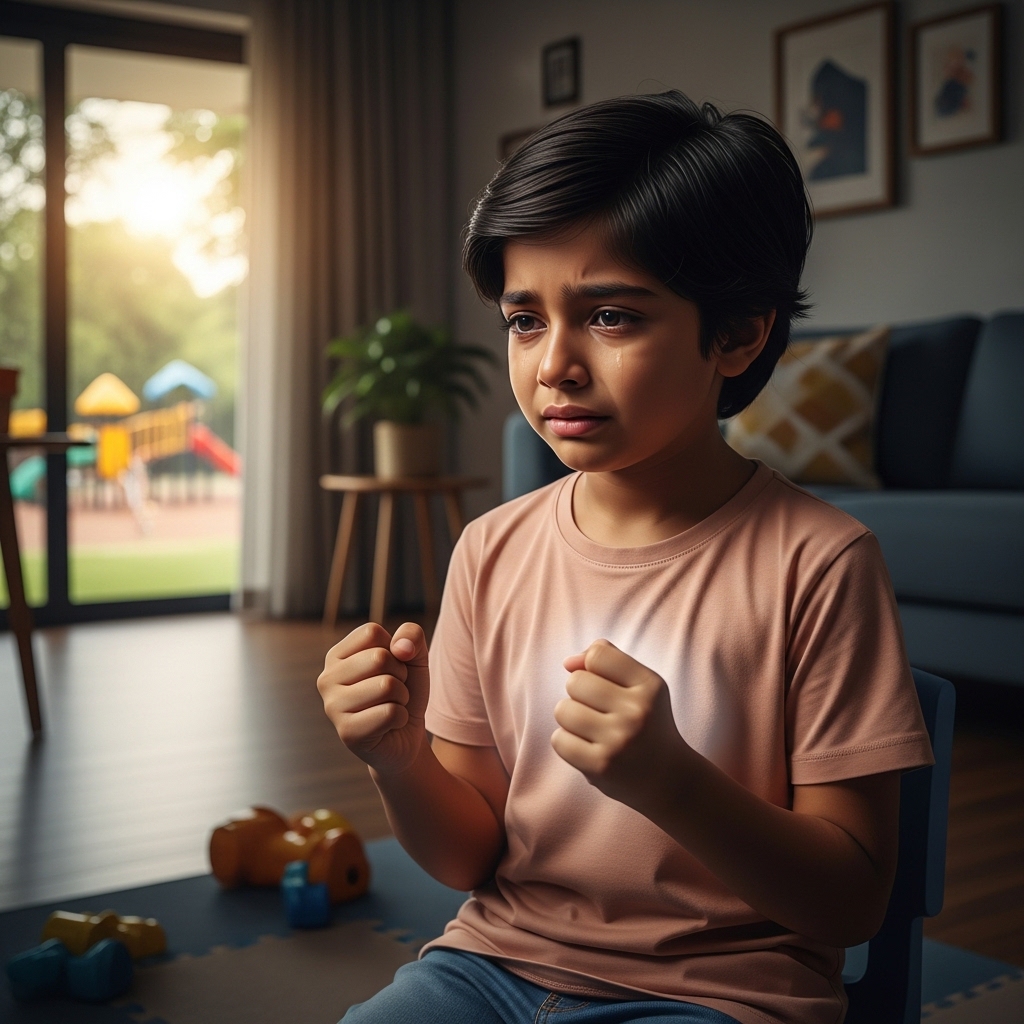
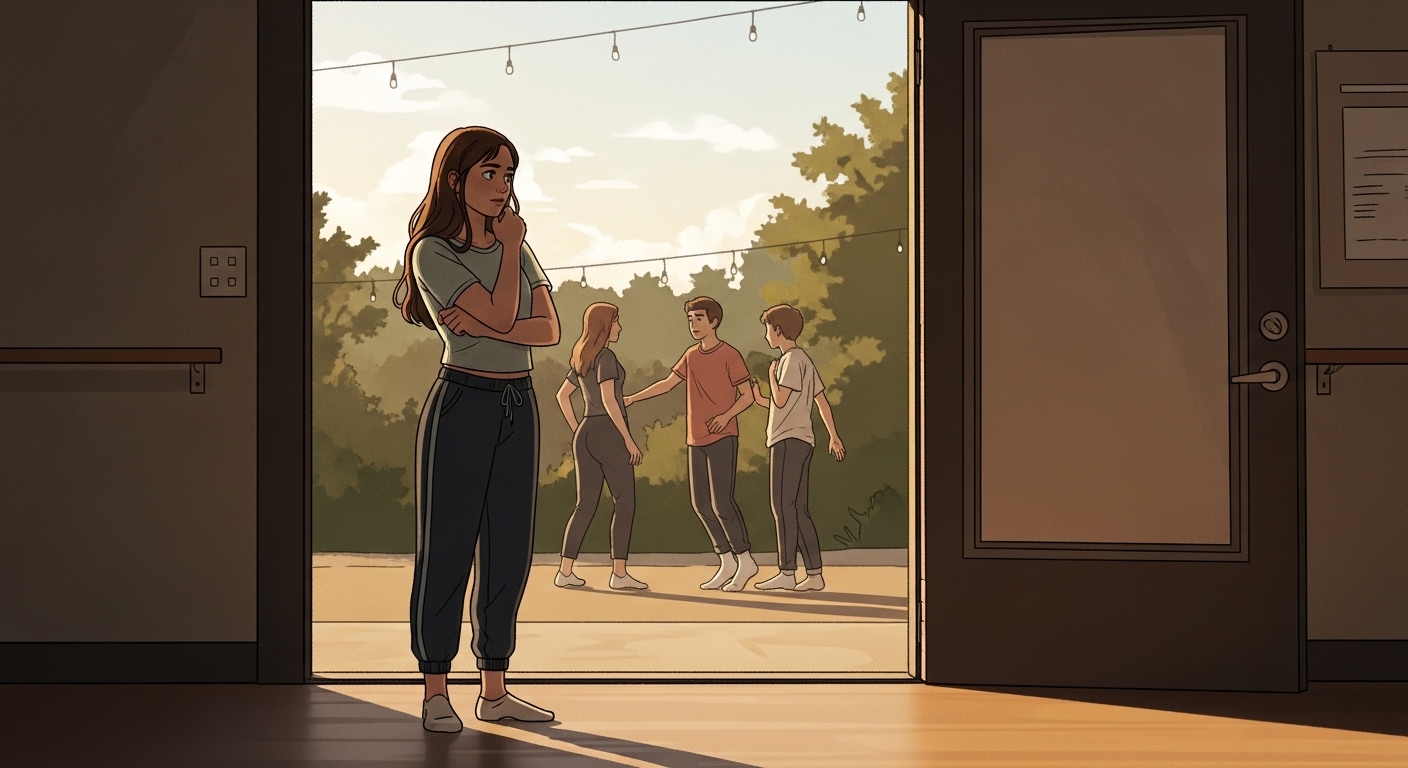
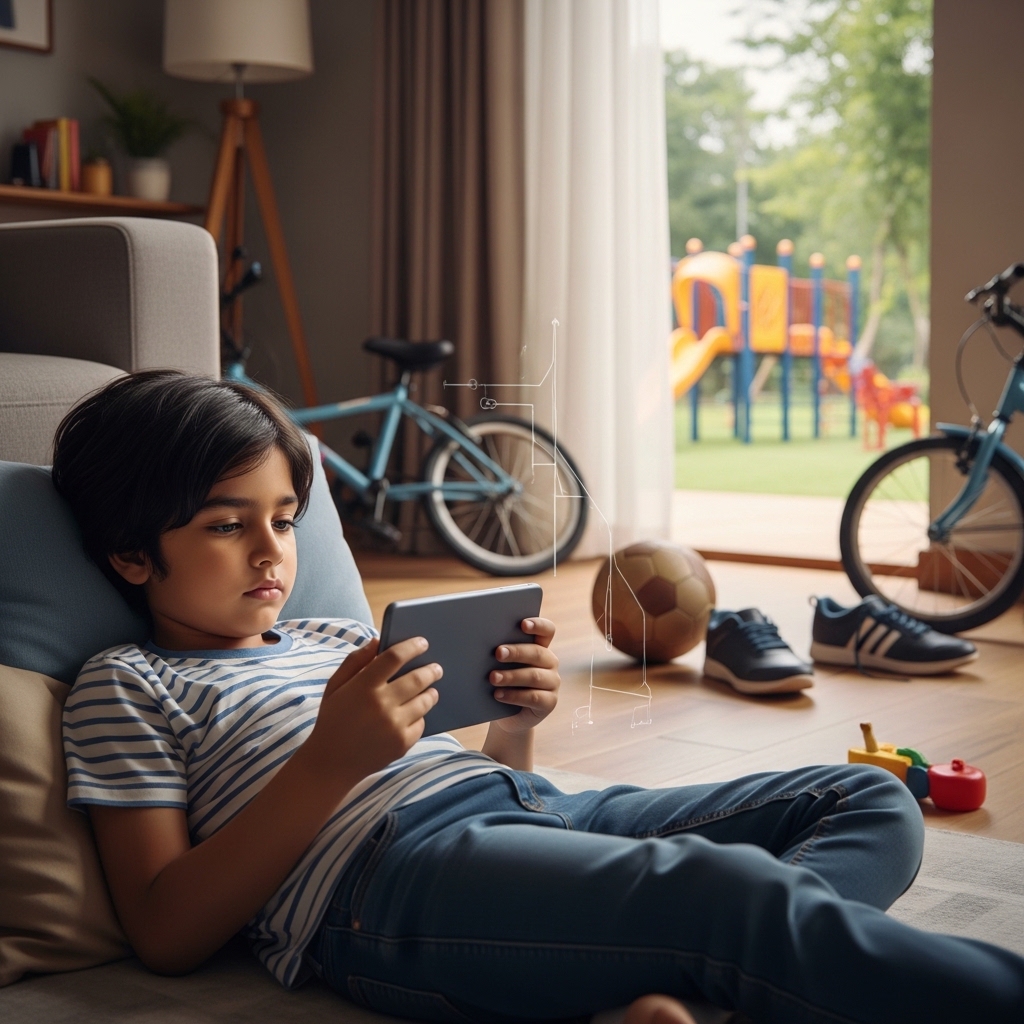
Children do not process emotions the way adults do. They experience and release feelings primarily through their bodies, not through words. When physical movement is limited—due to long sitting hours, screen time, or lack of outdoor play—emotions often remain trapped inside. This emotional buildup commonly surfaces as anger, frequent crying, irritability, restlessness, or sudden frustration.
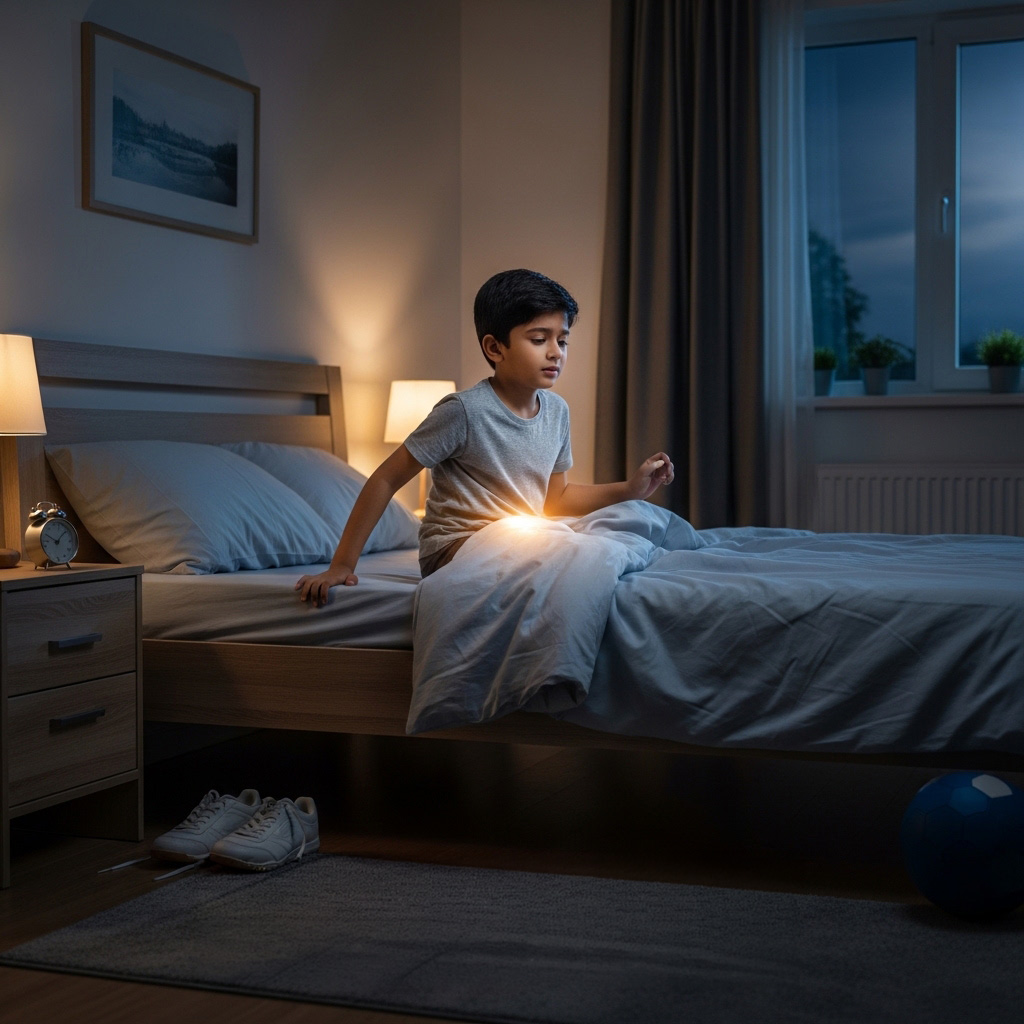
Movement plays a vital role in regulating stress hormones. Exercise lowers cortisol, the hormone associated with stress, and increases chemicals that support calmness and emotional balance. Without regular physical activity, stress accumulates quickly in young children, making even small challenges feel overwhelming.
Daily play and movement significantly improve mood stability and self-control. Children who move regularly tend to handle disappointment better, recover faster after emotional upsets, and show improved patience and resilience. Movement gives emotions a safe outlet, allowing the nervous system to reset naturally.
Physical activity is often viewed only as a tool for fitness or weight management, but its emotional benefits are just as important. Movement helps children regulate feelings, release tension, and restore balance.
Physical activity is not just exercise—it is emotional hygiene, essential for healthy emotional development and overall wellbeing.

Ruchira Darda
I am Ruchira Darda, a relationship coach, parenting expert, author, and entrepreneur with over 16 years of experience. Based in Mumbai, I work extensively in the areas of mindful living and emotional wellness. I am a TEDx speaker and focus on personality identification to help individuals and families build stronger, healthier relationships. I also lead and actively support initiatives such as the Lokmat MahaMarathon.