 1 min read
 Increased Screen Dependence and Reduced Play Interest
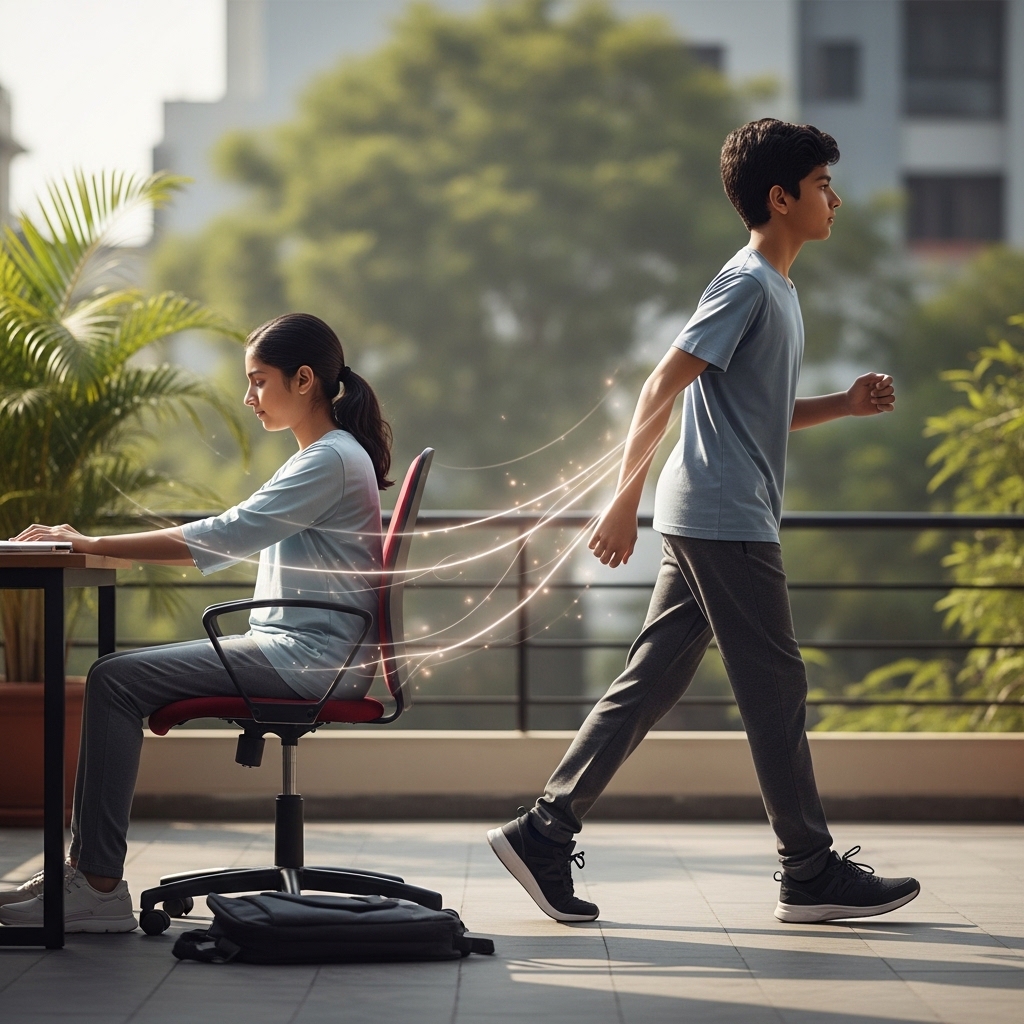
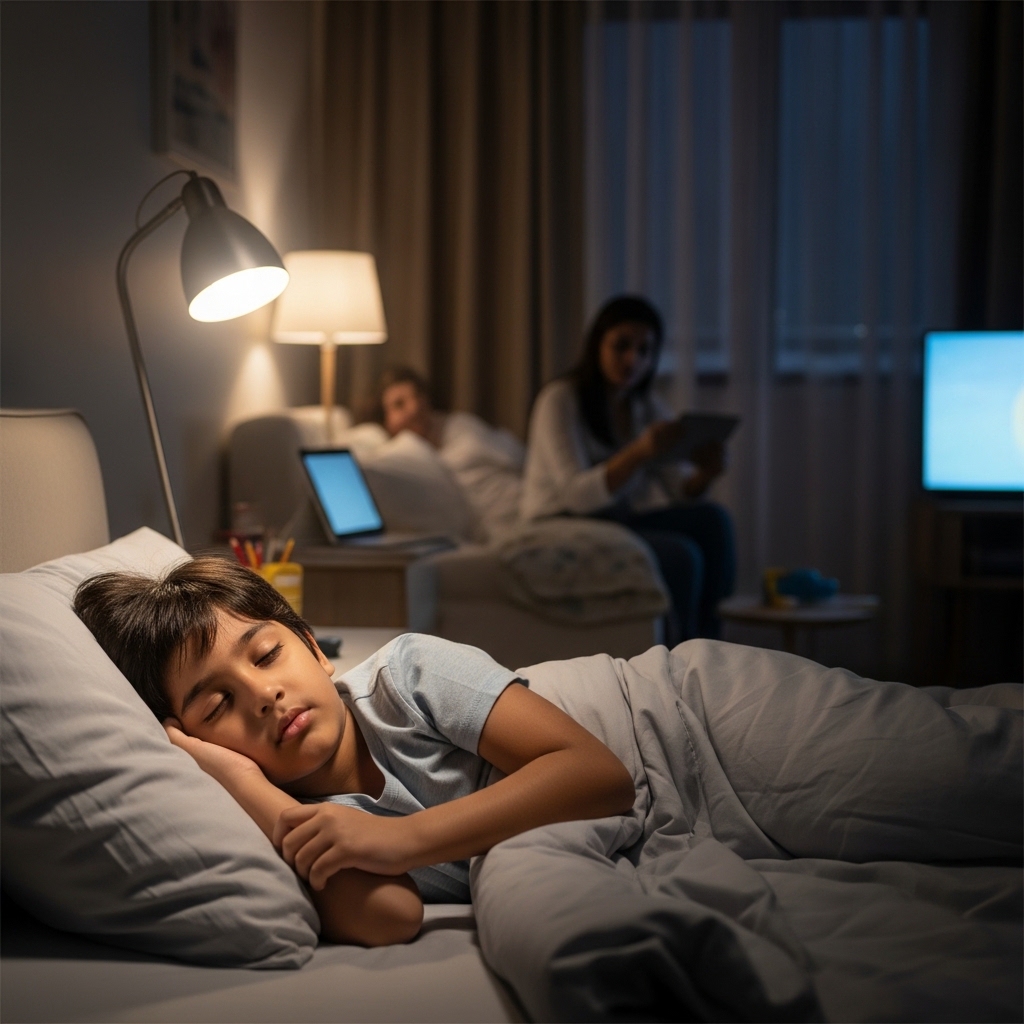
When screens replace movement, physical and emotional health suffers. This blog explains why loss of play interest signals low activity levels.




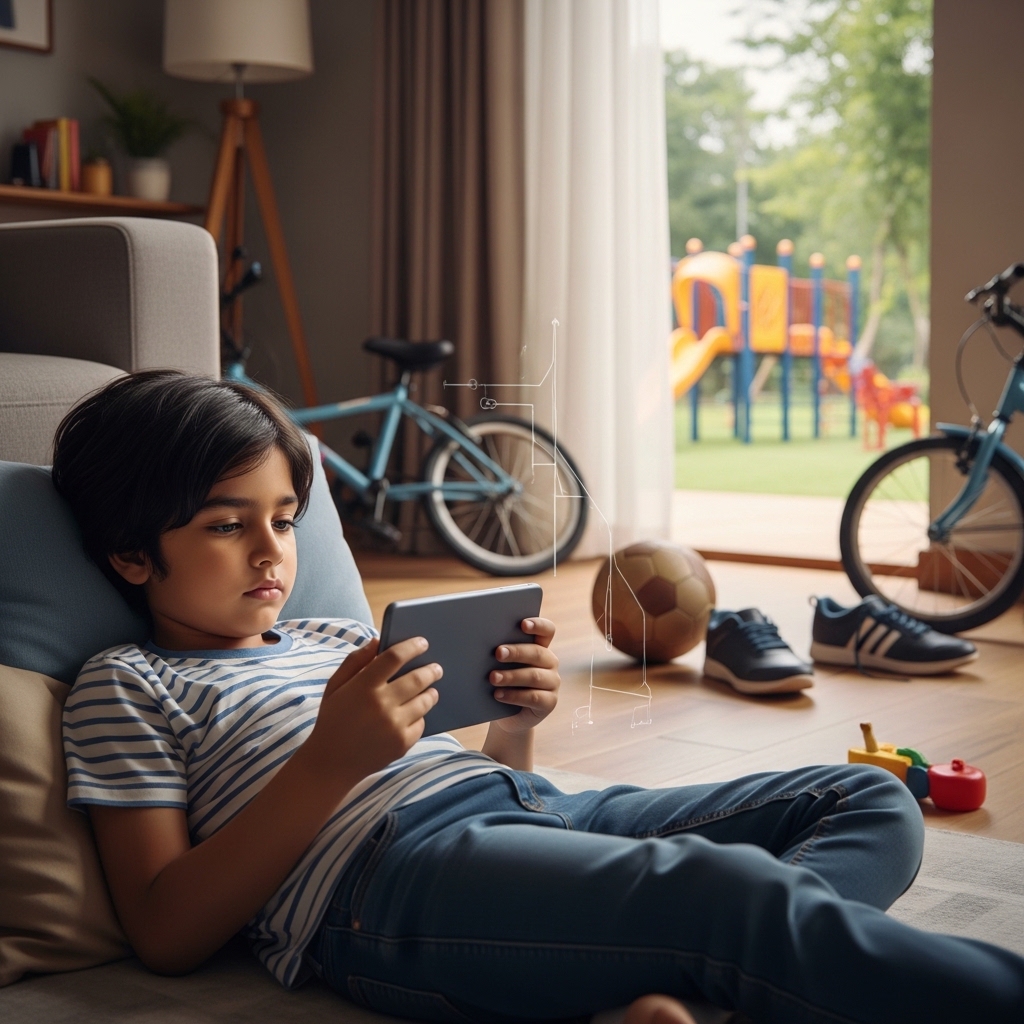
Children are naturally drawn to play. Movement, exploration, and physical engagement are how they learn about the world and themselves. When screens begin to dominate a child’s free time, it usually isn’t because children have changed—it’s because opportunities for movement and open-ended play have become limited.
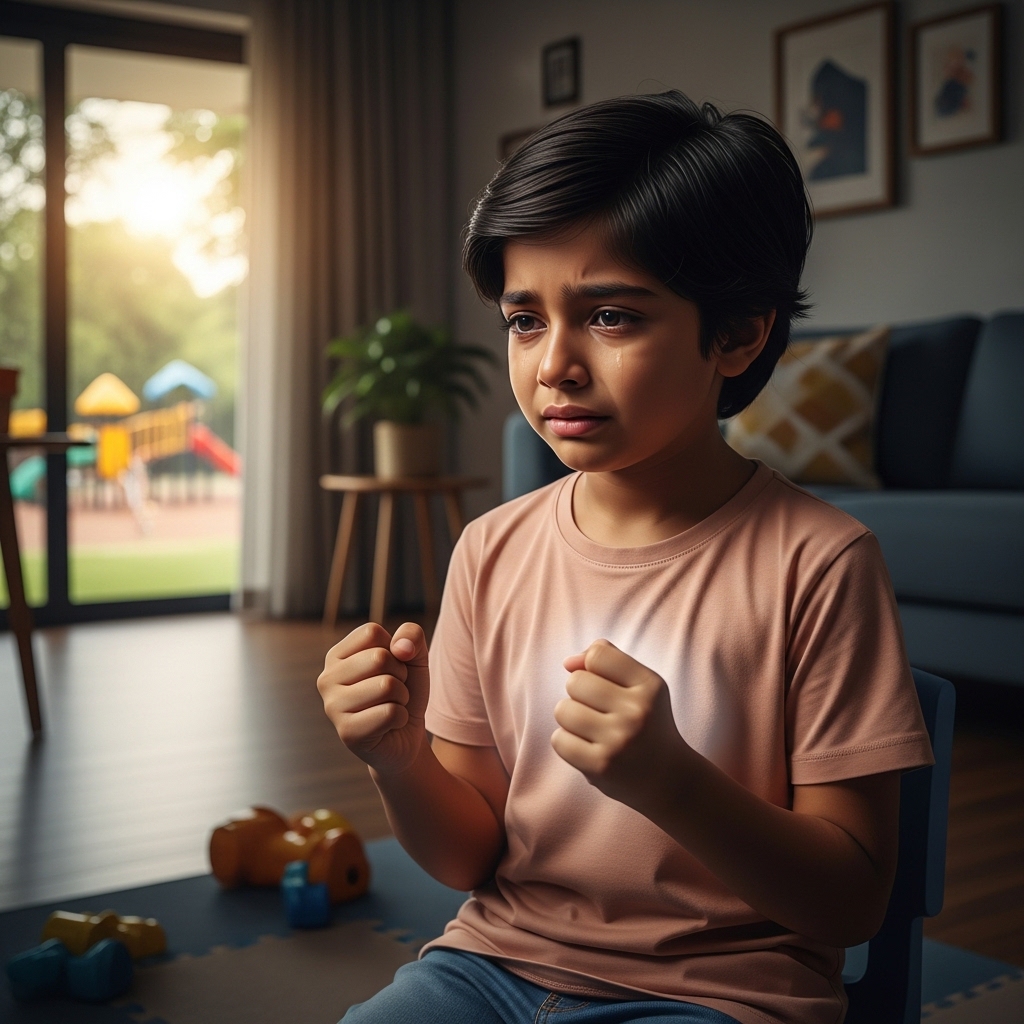
Screens offer constant stimulation without requiring physical effort. Bright visuals, fast rewards, and instant entertainment keep the brain engaged while the body remains still. Over time, this can make real-world play feel slow or “boring” by comparison. As a result, children may show reduced creativity, physical stamina, curiosity, and patience, finding it harder to invent games, explore outdoors, or stay engaged in active play.
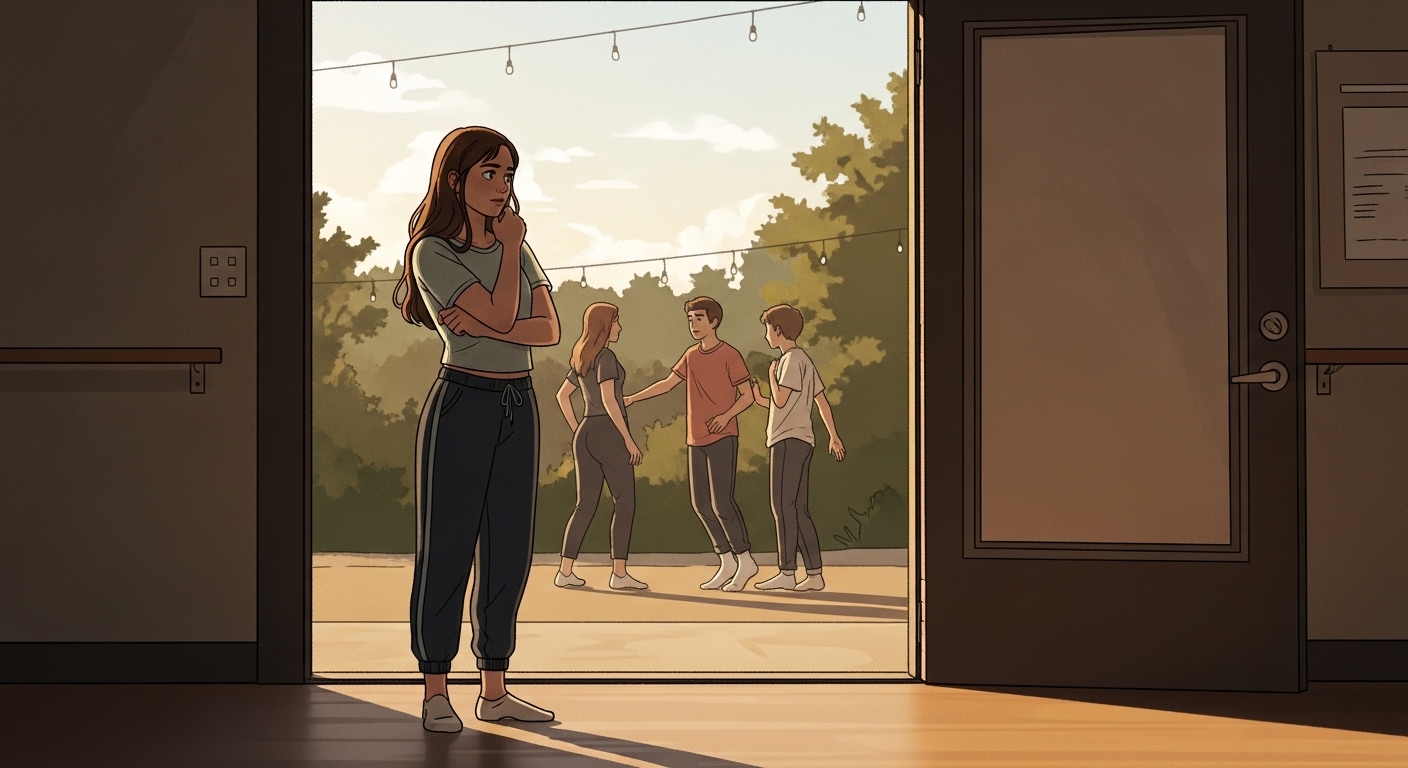
This shift doesn’t mean children have lost interest in movement—it means their nervous systems have adapted to high stimulation. Reintroducing movement gradually helps restore balance. When children are encouraged to climb, run, build, imagine, and explore physically, their natural curiosity returns. They begin to rediscover joy in movement, problem-solving, and self-directed play.
Encouraging physical activity is not about eliminating screens entirely. It’s about making movement accessible, enjoyable, and part of daily life again. When children move more, they reconnect with their innate desire to explore, create, and engage fully with the world around them.

Ruchira Darda
I am Ruchira Darda, a relationship coach, parenting expert, author, and entrepreneur with over 16 years of experience. Based in Mumbai, I work extensively in the areas of mindful living and emotional wellness. I am a TEDx speaker and focus on personality identification to help individuals and families build stronger, healthier relationships. I also lead and actively support initiatives such as the Lokmat MahaMarathon.