 2 min read
 Princess Nova and the Starlit Kingdom – Building Confidence, Kindness, and Emotional Strength in Children
Princess Nova and the Starlit Kingdom is a magical animated adventure that teaches young viewers about self-belief, empathy, and courage. Created for children aged 5–10, the film follows a gentle heroine who learns to trust herself while helping others. This parent-focused blog explores how the movie supports emotional development and confidence in growing children.

Princess Nova and the Starlit Kingdom
Between the ages of five and ten, children begin to form their sense of identity. They notice their strengths, compare themselves with peers, and slowly learn how to manage emotions. Stories during this phase can strongly influence how children view themselves. Princess Nova and the Starlit Kingdom offers a beautiful message: true strength comes from kindness, effort, and believing in yourself.
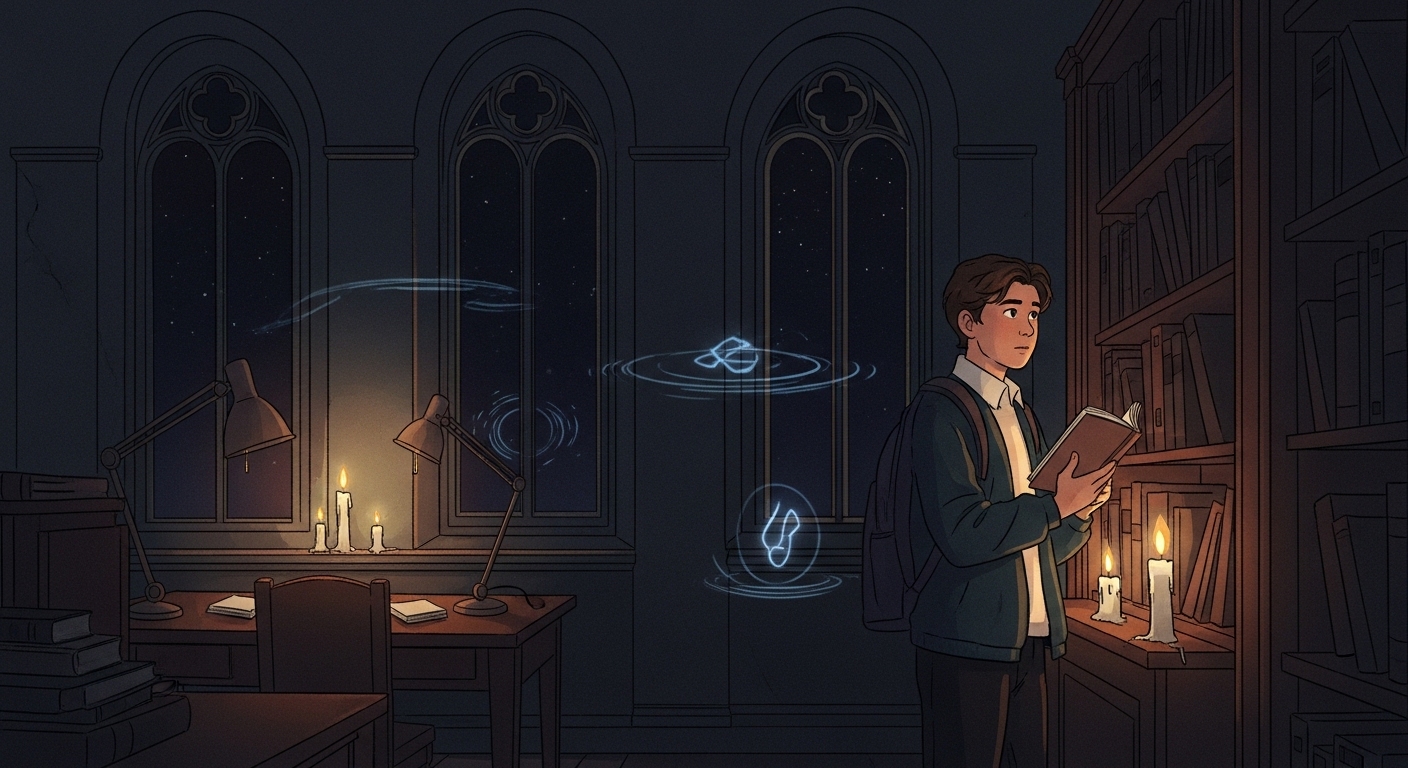
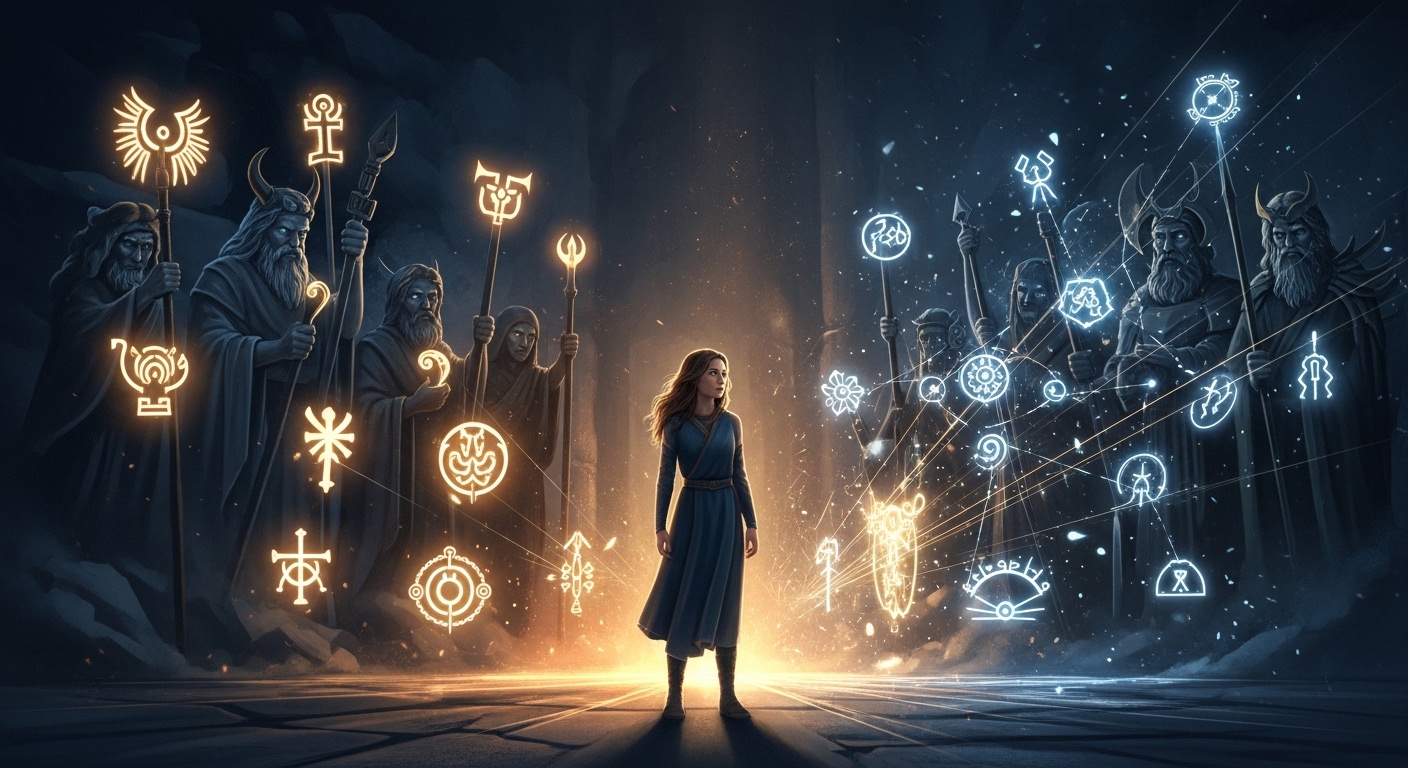
The story takes place in the glowing Starlit Kingdom, where magical stars bring light and harmony to everyone. Princess Nova is thoughtful and caring, but she often doubts her abilities. When the stars mysteriously disappear, darkness spreads across the land. Instead of waiting for others to act, Nova bravely volunteers to restore the light, setting off on a journey with a small group of loyal friends.
What makes Nova such a powerful role model is that she isn’t perfect. She feels nervous, makes mistakes, and sometimes wonders if she’s strong enough. Many children see themselves in these moments. As Nova continues forward despite fear, kids learn that courage doesn’t mean being fearless — it means trying even when you feel unsure.
From a developmental perspective, the movie strongly supports confidence building. Nova gains belief in herself through small victories and encouragement from her companions. Children watching learn that confidence grows gradually through effort and experience, not instantly.
The film also emphasizes emotional intelligence. Nova openly shares how she feels, and her friends respond with understanding and support. These scenes teach children that emotions are natural and that talking about feelings helps strengthen relationships. Parents can use these moments to encourage kids to express their own emotions more freely.
Friendship is another key theme. Each companion brings different strengths: one is creative, another logical, another emotionally sensitive. Together, they solve problems by listening to each other. This models healthy teamwork and shows children that everyone contributes in unique ways. It reinforces the idea that differences are valuable, especially when working together.
The journey itself encourages problem-solving and perseverance. Obstacles don’t disappear magically. Instead, Nova and her friends pause, think, try new approaches, and keep going. This teaches children resilience and adaptability — essential skills for both school and everyday life.
Visually, the movie is filled with glowing landscapes and gentle fantasy elements that spark imagination without overwhelming young viewers. The tone remains warm and reassuring throughout, making it suitable even for sensitive children.
For parents, Princess Nova and the Starlit Kingdom offers wonderful opportunities for connection. After watching, you might ask your child what they learned from Nova, which character they liked most, or how they would help someone in need. These conversations deepen understanding and emotional growth.
Ultimately, this film reminds children that leadership comes from compassion, bravery grows through action, and believing in yourself can light the way forward. It’s a meaningful choice for family movie nights and a gentle guide for nurturing confidence and kindness in young hearts.

Admin
Certified Relationship & Parent Coach, NLP Practitioner, author, and mindfulness advocate, passionate about helping individuals build stronger connections and lead fulfilling lives through self-awareness, empathy, and simple, mindful living