1 min read

How Poor Sleep Schedules Affect Behavior and Learning in Children

Sleep problems often appear as behavioral or learning issues. This blog explains how irregular sleep schedules affect children’s behavior, focus, and emotions.


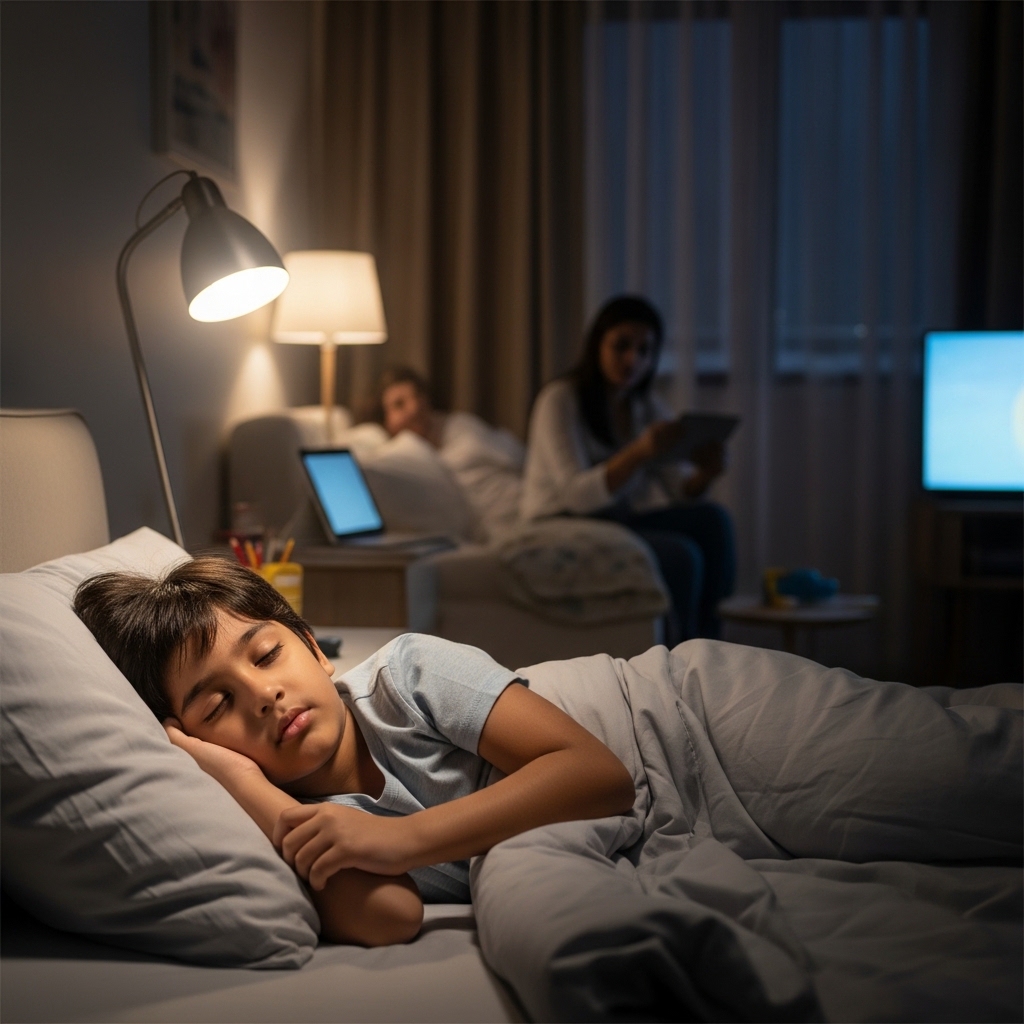
When children don’t sleep well, it shows—just not always as tiredness. In children aged 5–10, poor sleep schedules often appear as irritability, hyperactivity, emotional outbursts, or difficulty concentrating.

Sleep deprivation affects the prefrontal cortex, the part of the brain responsible for impulse control, attention, and emotional regulation. This is why overtired children may appear restless rather than sleepy.

Learning also suffers. During sleep, the brain consolidates memory and reinforces learning from the day. Children with inconsistent sleep schedules struggle with retention, problem-solving, and classroom engagement.

Many parents seek behavioral interventions when the real solution lies in correcting sleep timing. Consistent bedtimes often lead to dramatic improvements in behavior without additional discipline.

 

Ruchira Darda

I am Ruchira Darda, a relationship coach, parenting expert, author, and entrepreneur with over 16 years of experience. Based in Mumbai, I work extensively in the areas of mindful living and emotional wellness. I am a TEDx speaker and focus on personality identification to help individuals and families build stronger, healthier relationships. I also lead and actively support initiatives such as the Lokmat MahaMarathon.


You May Also Like

Increased Screen Dependence and Reduced Play Interest

Ruchira Darda 10 Feb 2026

When screens replace movement, physical and emotional health suffers. This blog explains why loss of play interest signals low activity levels.

Read More

Poor Sleep Patterns and Nighttime Resistance

Ruchira Darda 10 Feb 2026

Lack of movement during the day often disrupts sleep at night. This blog explains how physical activity supports healthy sleep in children aged 5–10.

Read More

Emotional Outbursts and Irritability – A Hidden Sign of Physical Inactivity

Ruchira Darda 10 Feb 2026

Emotional meltdowns can signal unmet physical needs. This blog explains the link between movement and emotional regulation in young children.

Read More

Frequent Illness and Low Energy – How Movement Strengthens Immunity in Kids

Ruchira Darda 10 Feb 2026

Low activity levels can weaken a child’s immune system. This blog explains how physical movement protects health and energy in children aged 5–10.

Read More

Constant Restlessness and Low Focus – Early Signs Your Child Needs More Movement

Ruchira Darda 10 Feb 2026

Frequent restlessness and poor attention are often linked to lack of physical activity. This blog helps parents understand how movement supports focus and emotional balance in children aged 5–10.

Read More

Common Sleep Mistakes Parents Make for Children

Ruchira Darda 10 Feb 2026

Even well-intentioned habits can disrupt sleep. This blog highlights common sleep mistakes parents make and how to correct them.

Read More
bubble bubble bubble

Sign up to our Newsletter

Stay up to date with the latest news, announcements and articles

Instagram Profile

Follow us and stay connected on Instagram!