 2 min read
 Leo Learns to Listen – Helping Children Develop Communication Skills and Emotional Awareness
Leo Learns to Listen is a gentle animated story that teaches young children the importance of listening, patience, and understanding others. Designed for ages 5–10, the movie focuses on everyday situations kids can relate to. This parent-focused blog explores how the film supports communication skills and emotional development.




Leo Learns to Listen
Communication is one of the most important life skills children develop during their early years. Between ages five and ten, kids learn how to express themselves, take turns in conversation, and understand other people’s feelings. Leo Learns to Listen offers a warm and relatable story that gently guides children toward better communication and emotional awareness.
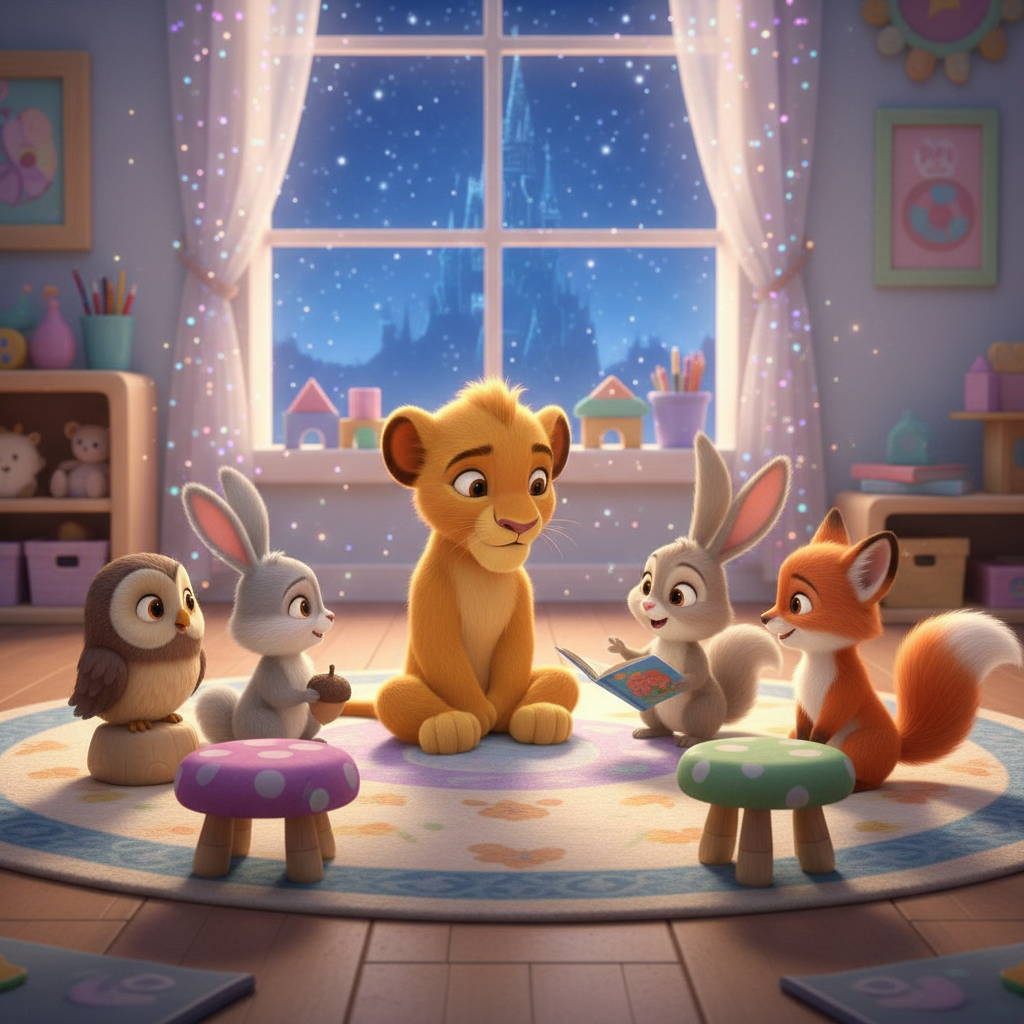
The film centers on Leo, an enthusiastic young lion who loves to talk and share his ideas. While Leo’s energy is contagious, he often interrupts others and rushes ahead without fully hearing what his friends have to say. This leads to small misunderstandings at school and during playtime. Over time, Leo begins to realize that listening is just as important as speaking.
One of the strongest lessons in this movie is the value of active listening. Leo learns to pause, make eye contact, and give his friends space to share their thoughts. Children watching see how listening improves relationships and helps solve problems. These moments model healthy communication habits that are essential both at home and in school.
The film also supports emotional intelligence. Leo starts to notice how his actions affect others. When friends feel unheard, they become frustrated or sad. As Leo becomes more aware of these emotions, he learns to respond with kindness and patience. This helps children recognize feelings in themselves and others, encouraging empathy and understanding.
Another important theme is self-control and patience. Leo practices waiting his turn and thinking before speaking. For young children who are still learning impulse control, this message is especially valuable. The movie shows that slowing down can lead to better outcomes and stronger friendships.
Socially, the story highlights respect and cooperation. Leo discovers that group activities work better when everyone has a chance to contribute. Whether building a project at school or playing games, listening helps the group succeed. This reinforces teamwork and fairness — skills children use daily in classrooms and playgrounds.
Parents will appreciate how realistic the situations feel. The challenges Leo faces mirror common childhood experiences, making it easier for kids to connect with the story. The gentle pacing and soft animation style create a calming viewing experience, especially helpful for children who may be sensitive to loud or fast-paced content.
From a learning perspective, the film encourages reflection. Parents can ask questions like, “How did Leo feel when his friends didn’t feel heard?” or “What can we do to be better listeners?” These conversations help children apply lessons from the movie to real-life situations.
Ultimately, Leo Learns to Listen teaches that listening is a powerful form of kindness. It shows children that understanding others builds trust, improves friendships, and creates happier communities.
For families seeking a meaningful movie that supports emotional growth and communication skills, this film offers gentle guidance wrapped in a warm, relatable story.

Ruchira Darda
I am Ruchira Darda, a relationship coach, parenting expert, author, and entrepreneur with over 16 years of experience. Based in Mumbai, I work extensively in the areas of mindful living and emotional wellness. I am a TEDx speaker and focus on personality identification to help individuals and families build stronger, healthier relationships. I also lead and actively support initiatives such as the Lokmat MahaMarathon.