 1 min read
 Immunity-Boosting Foods Every 5–10-Year-Old Should Eat
Food is the foundation of immunity. This blog highlights child-friendly foods that naturally strengthen immune defenses without forcing or food battles.




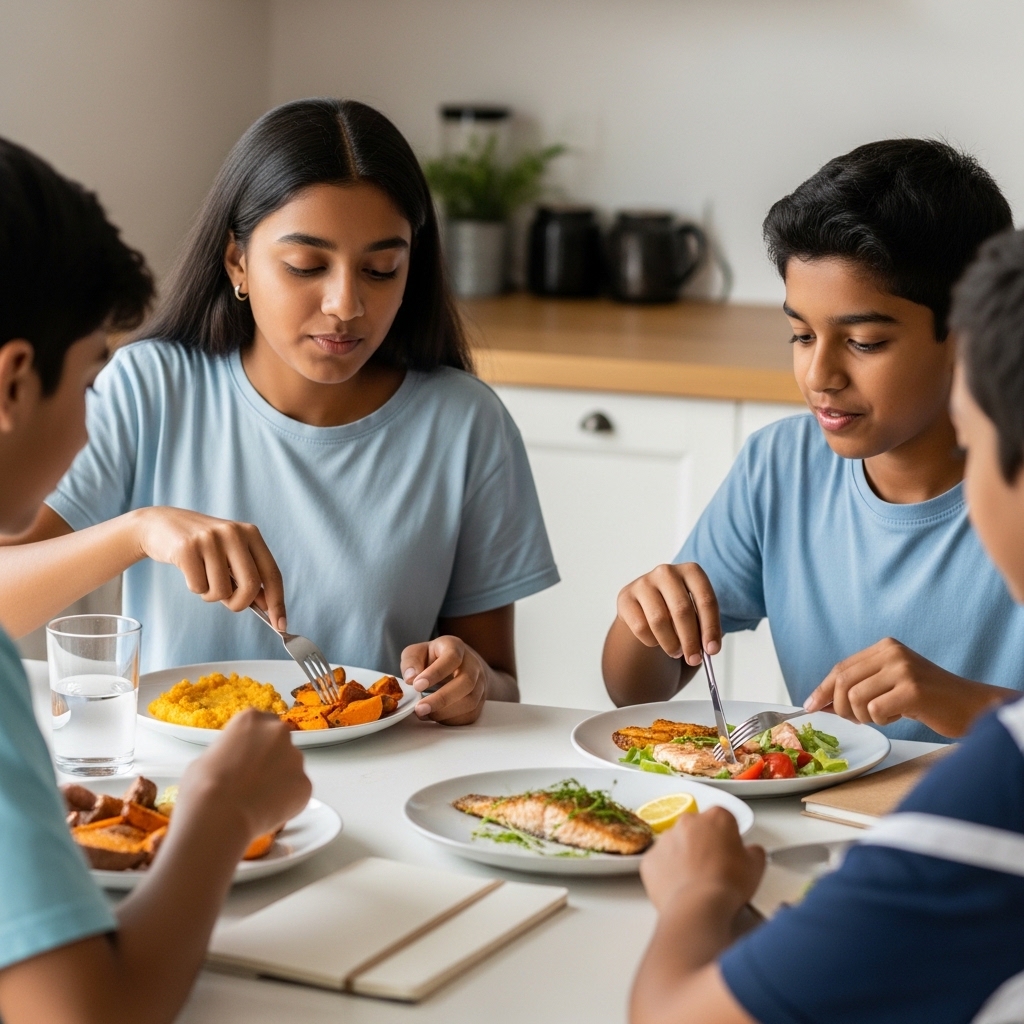
Children don’t need “special immunity foods”—they need nutrient-dense, real food eaten regularly.
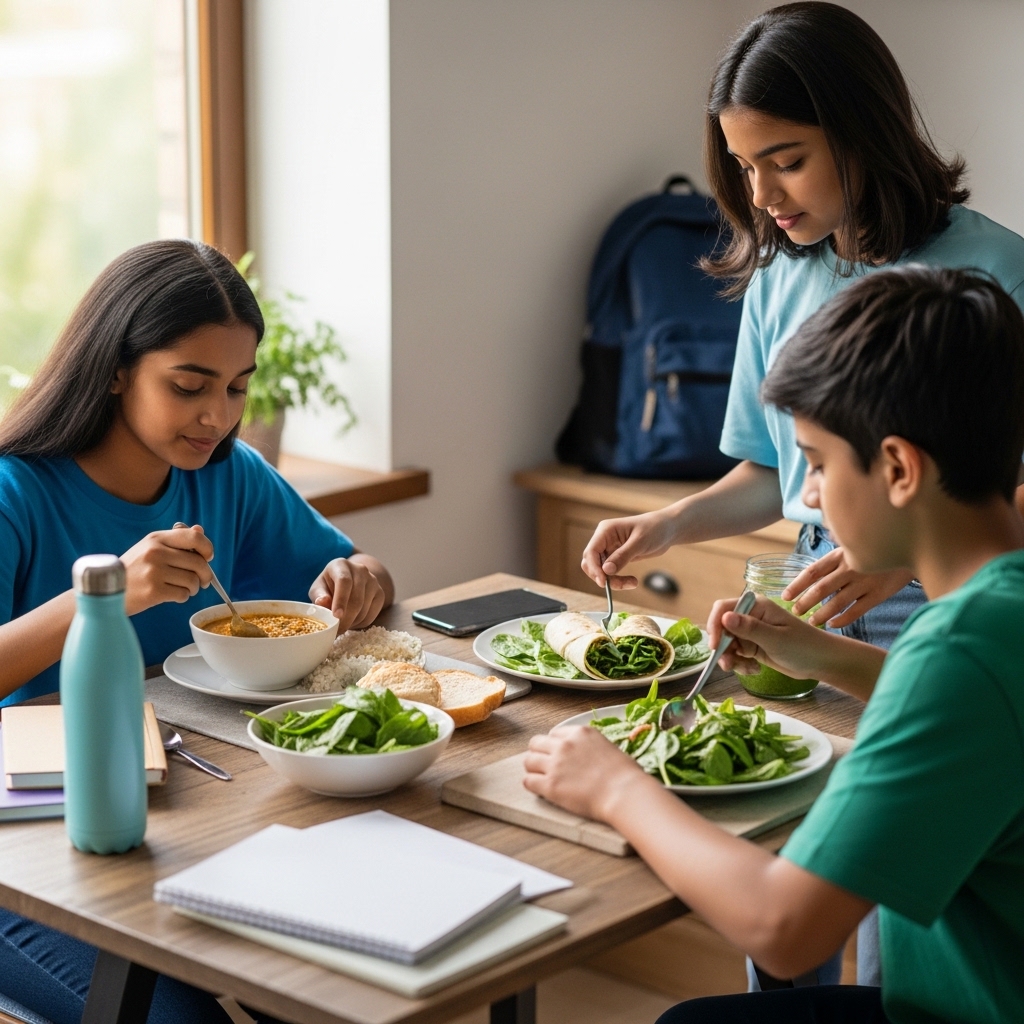
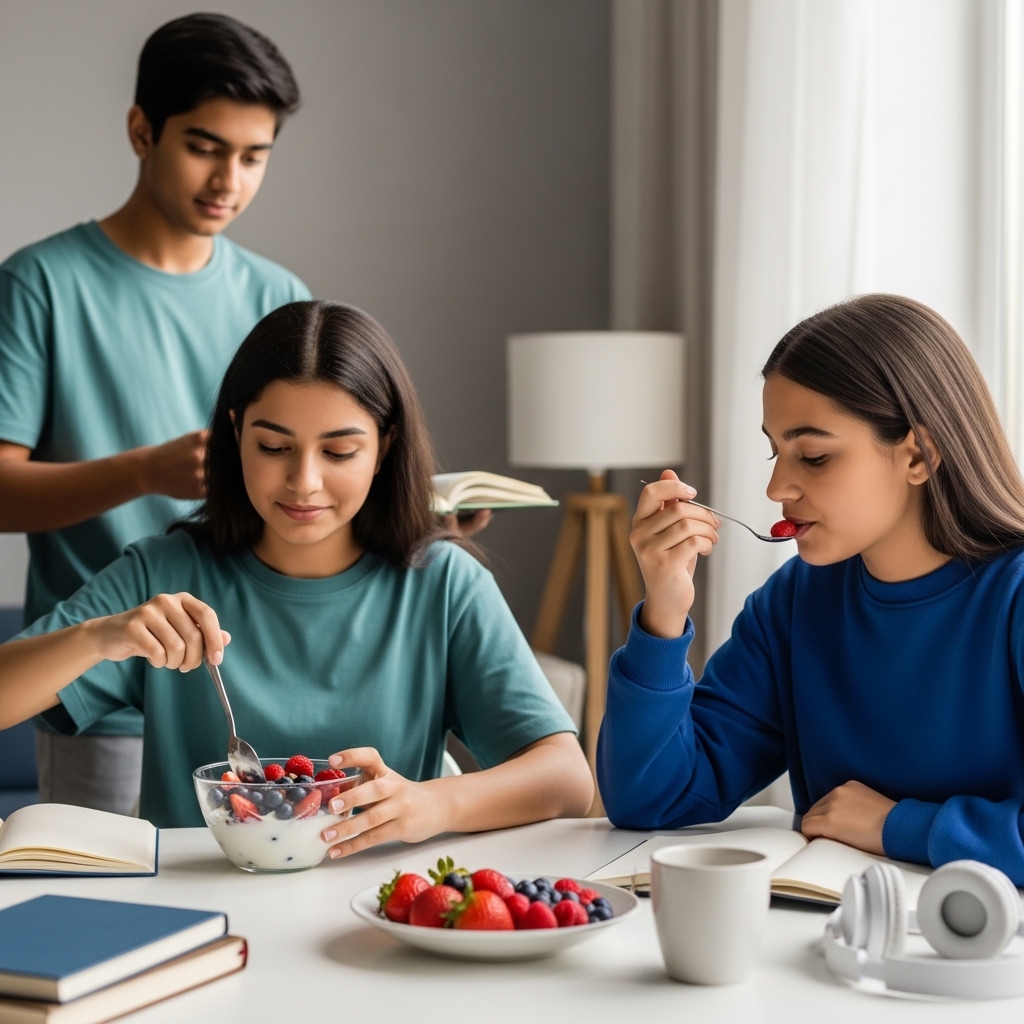
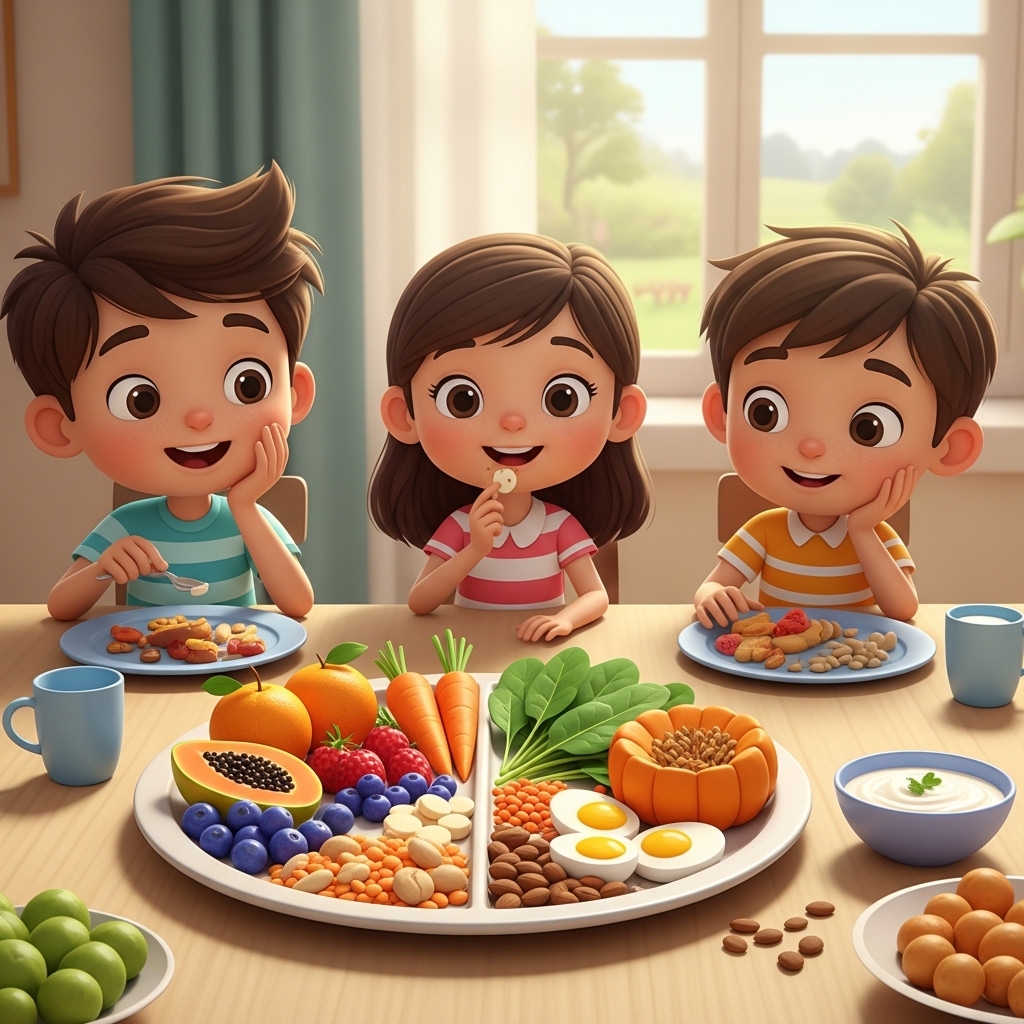
Fruits like oranges, guava, berries, and papaya provide vitamin C, which supports white blood cell function. Vegetables such as carrots, spinach, pumpkin, and broccoli supply vitamin A, essential for healthy skin and mucosal barriers—the body’s first line of defense.
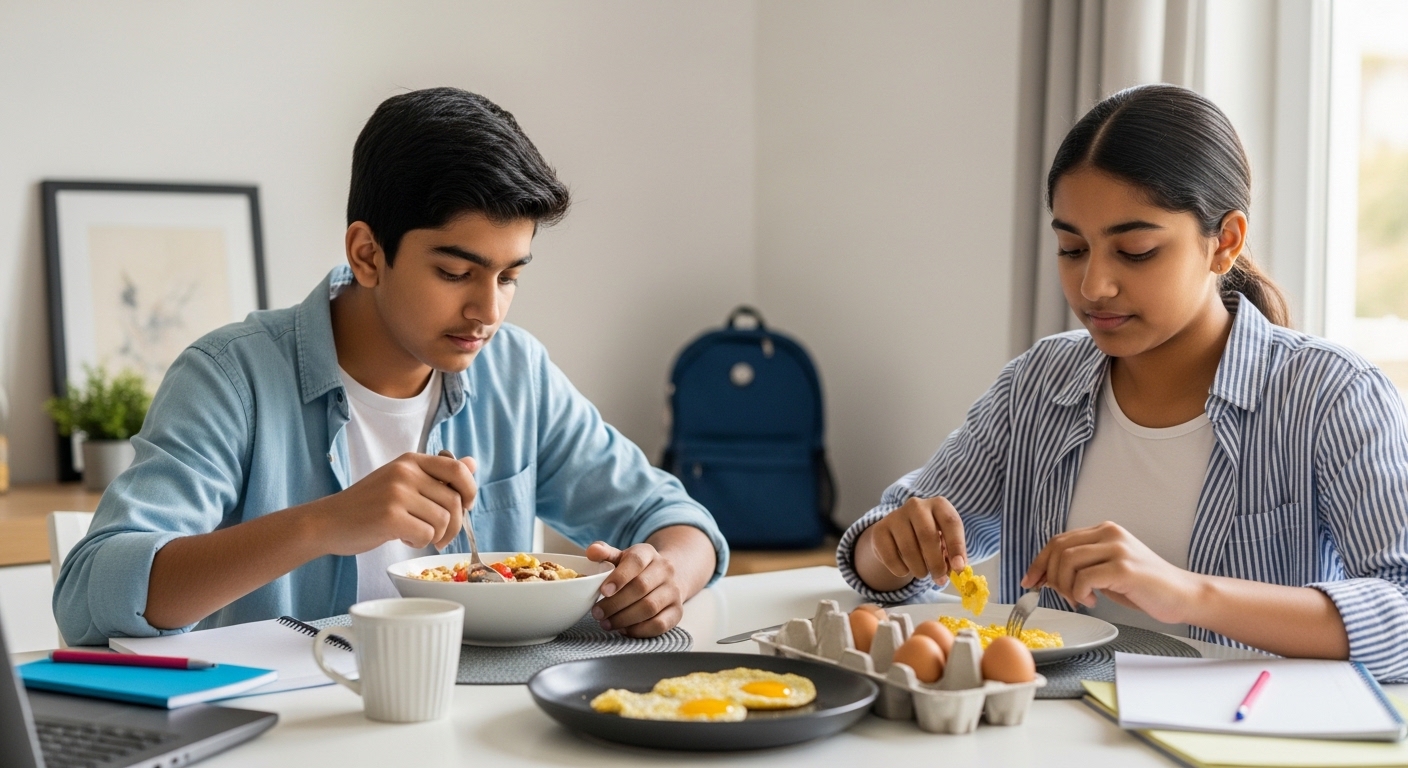
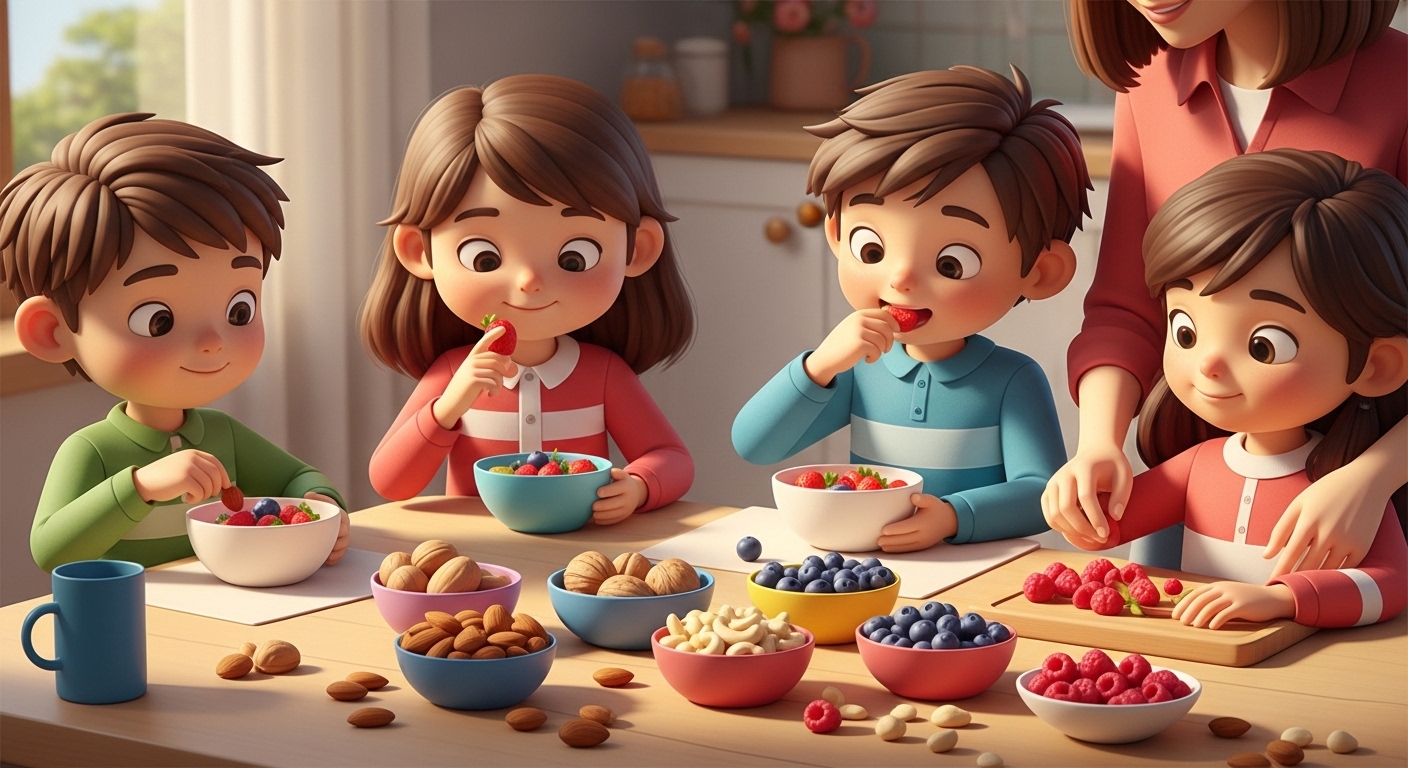
Protein is crucial. Eggs, lentils, dairy, nuts (age-appropriate), and seeds help build immune cells. Zinc-rich foods like pumpkin seeds and chickpeas support faster recovery from infections.
Fermented foods like curd and buttermilk improve gut health. Since nearly 70% of immunity is linked to the gut, a healthy digestive system strengthens overall resistance.
The key is variety, not perfection. Parents should aim to include colorful foods rather than forcing superfoods. When meals are enjoyable, children develop a positive relationship with healthy eating.

Ruchira Darda
I am Ruchira Darda, a relationship coach, parenting expert, author, and entrepreneur with over 16 years of experience. Based in Mumbai, I work extensively in the areas of mindful living and emotional wellness. I am a TEDx speaker and focus on personality identification to help individuals and families build stronger, healthier relationships. I also lead and actively support initiatives such as the Lokmat MahaMarathon.