 2 min read
 Finn and the Friendship Festival – Teaching Kindness, Inclusion, and Social Confidence to Children
Finn and the Friendship Festival is a joyful animated movie that celebrates kindness, diversity, and making new friends. Designed for children aged 5–10, the film focuses on building social confidence and empathy. This parent-focused blog explores how the movie supports healthy friendships and emotional growth.




Finn and the Friendship Festival
Making friends can feel exciting and challenging for young children. Between ages five and ten, kids learn how to join groups, resolve conflicts, and understand social boundaries. Finn and the Friendship Festival gently guides children through these experiences, offering valuable lessons about kindness, inclusion, and confidence.
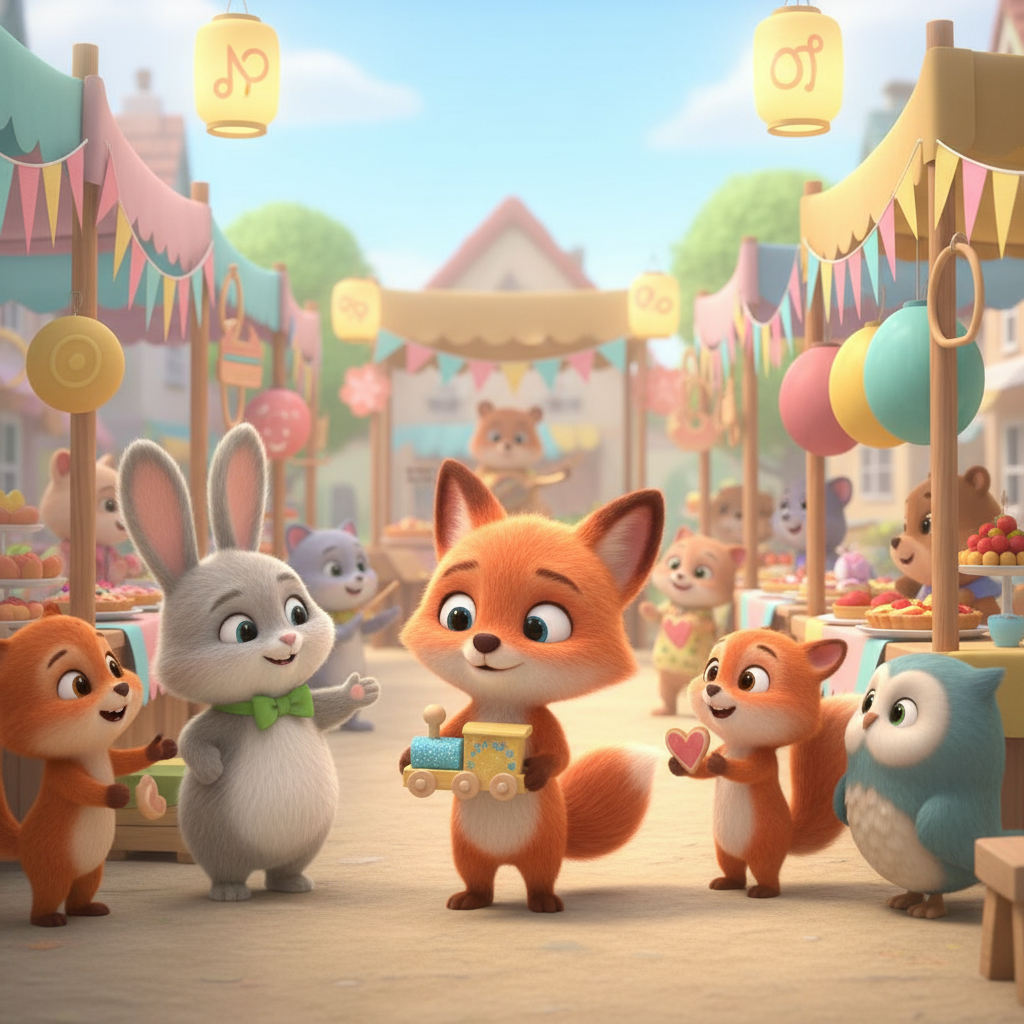
The story follows Finn, a shy young fox who lives in a colorful village preparing for its annual Friendship Festival. Each animal contributes something special to the celebration — music, food, games, or decorations. Finn wants to participate but feels nervous about meeting new friends. With encouragement from his family and neighbors, he slowly finds the courage to step forward and share his talents.
One of the most powerful messages in this film is inclusion. The festival welcomes everyone, regardless of personality, background, or abilities. Children learn that belonging doesn’t require being the loudest or most outgoing. Quiet kindness and effort matter just as much.
The movie also supports social confidence. Finn starts small, helping behind the scenes before gradually engaging with others. This shows children that confidence grows through gentle steps. Young viewers see that it’s okay to feel shy and that bravery often begins with trying.
Emotionally, the film encourages empathy and understanding. Finn notices when others feel left out and makes simple gestures to include them. These moments teach children to recognize emotions in peers and respond with compassion.
Friendship in the movie is built through cooperation and communication. The animals work together to organize activities and solve small problems. Children learn that listening, sharing ideas, and helping one another strengthen relationships.
The film also highlights respect for differences. Each character brings unique talents, showing that diversity makes communities stronger. This reinforces acceptance and appreciation of individuality.
Parents will appreciate how relatable the situations feel. Many children experience similar feelings when starting school, joining new groups, or attending social events. The gentle storytelling offers reassurance and practical examples of positive behavior.
After watching, parents can encourage reflection by asking questions such as, “How did Finn make new friends?” or “What would you do if someone felt left out?” These conversations help children apply lessons to real-life situations.
Visually, the movie is warm and colorful, with cheerful festival scenes that create a positive atmosphere. The pacing remains calm, allowing children to absorb emotional moments without feeling rushed.
Ultimately, Finn and the Friendship Festival teaches children that kindness builds connections, inclusion creates joy, and everyone has something valuable to share.
For families seeking a heartwarming movie that supports social development and emotional confidence, this film is a beautiful choice.

Ruchira Darda
I am Ruchira Darda, a relationship coach, parenting expert, author, and entrepreneur with over 16 years of experience. Based in Mumbai, I work extensively in the areas of mindful living and emotional wellness. I am a TEDx speaker and focus on personality identification to help individuals and families build stronger, healthier relationships. I also lead and actively support initiatives such as the Lokmat MahaMarathon.