 1 min read
 Daily Movement: Helping Children Build Strength, Confidence, and Focus
Daily movement plays a vital role in a child’s physical and emotional development. This blog explores how regular activity supports strength, attention, and self-confidence in children aged 5–10.




Daily Movement
Physical activity is one of the most important habits children can develop early in life. Between ages five and ten, children are building coordination, balance, and body awareness. Making movement part of everyday routines in 2026 can significantly support both physical health and emotional well-being.
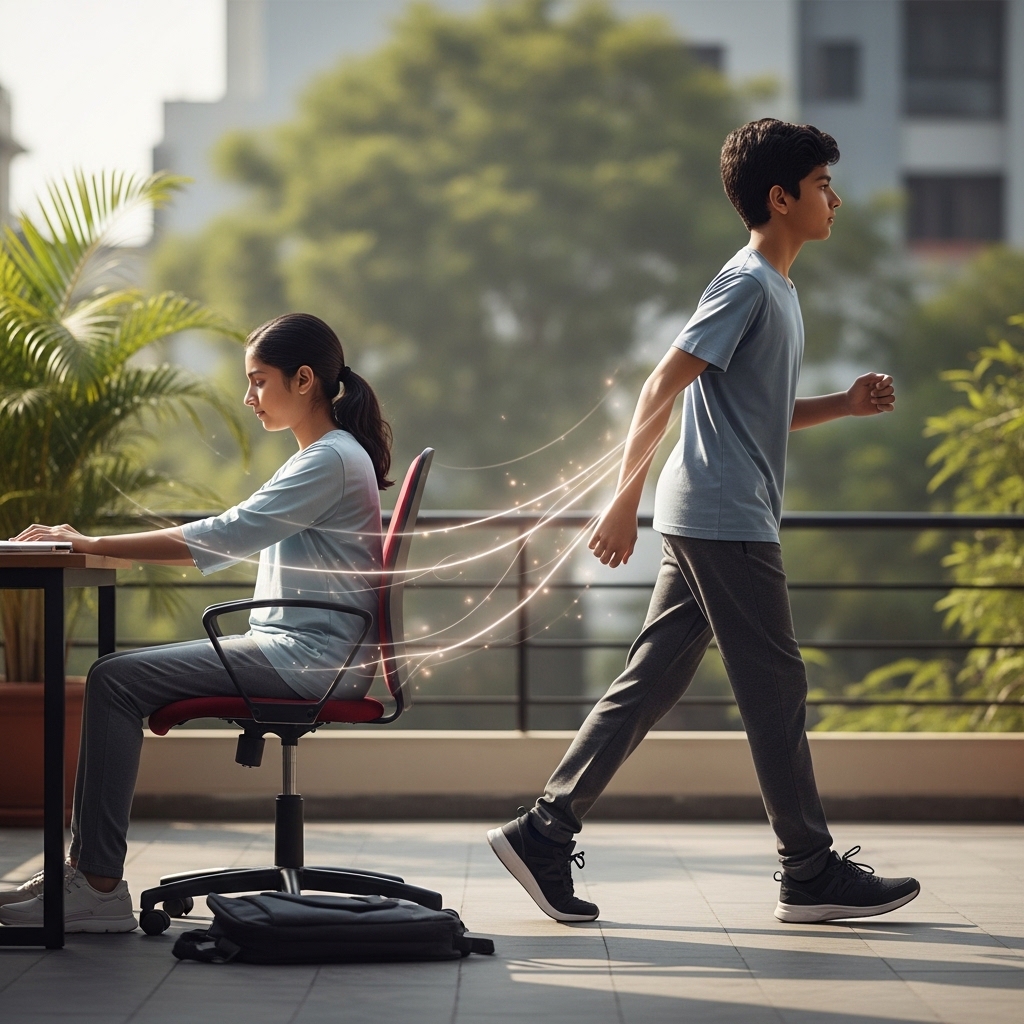
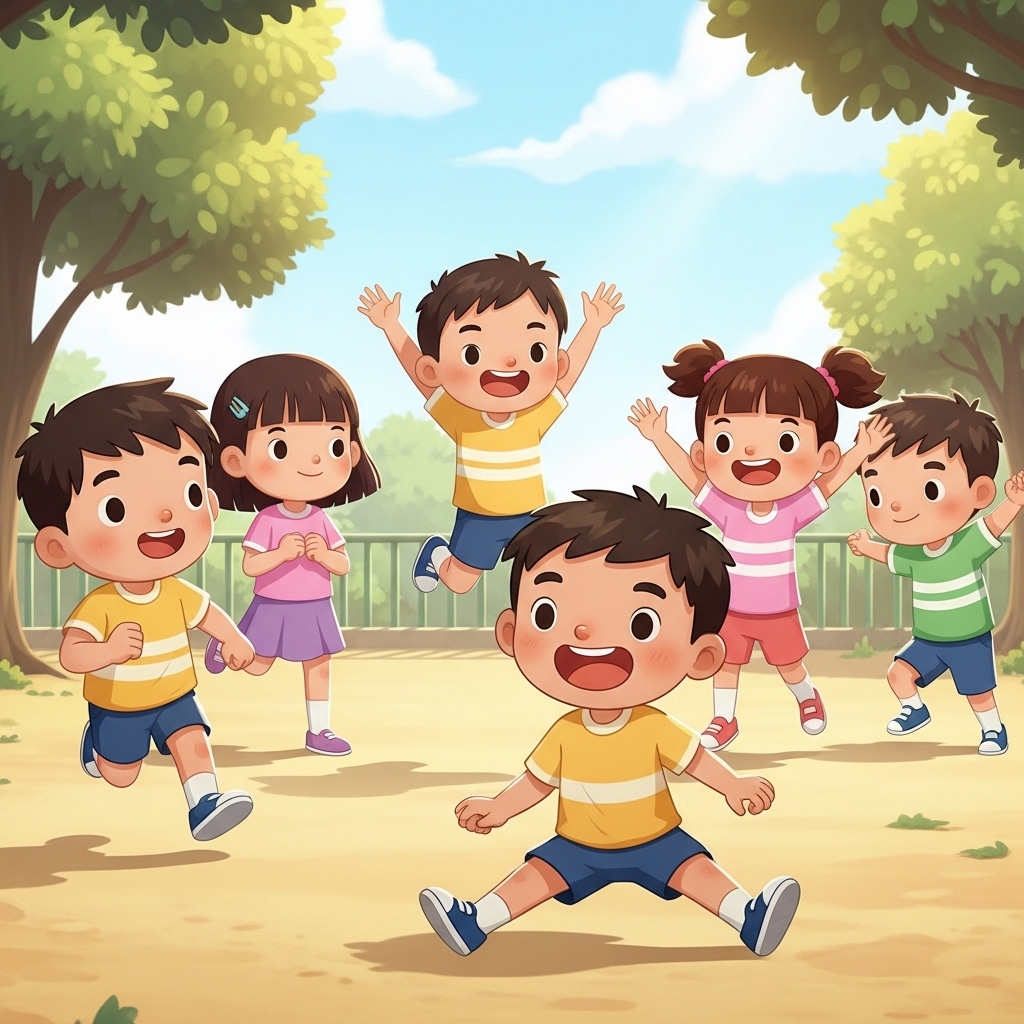
Daily movement doesn’t need to look like structured exercise. Simple activities such as walking, cycling, dancing, playing outdoors, or even helping with household tasks all contribute to a child’s overall development. When movement feels fun rather than forced, children naturally become more active.
From a physical perspective, regular activity strengthens muscles and bones, improves posture, and supports healthy growth. It also boosts immunity and energy levels, helping children stay active throughout the day.
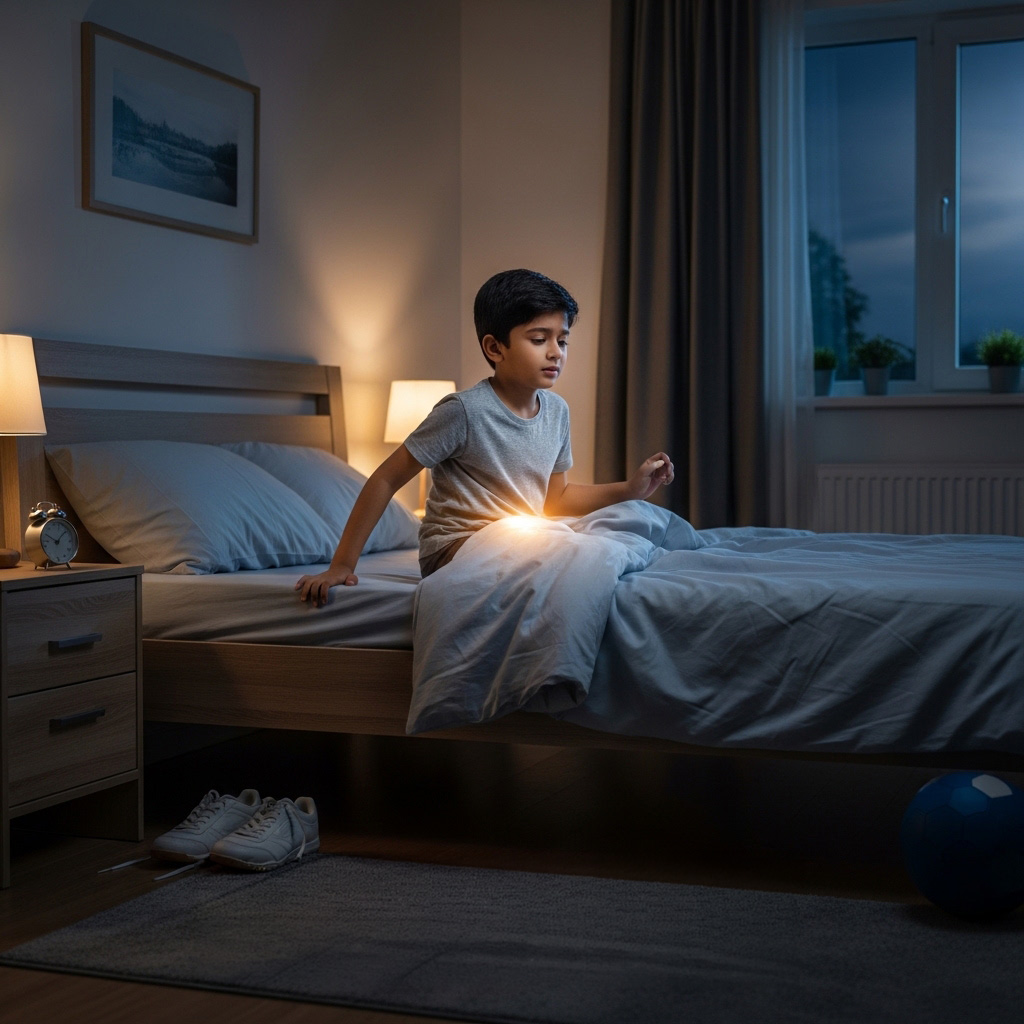
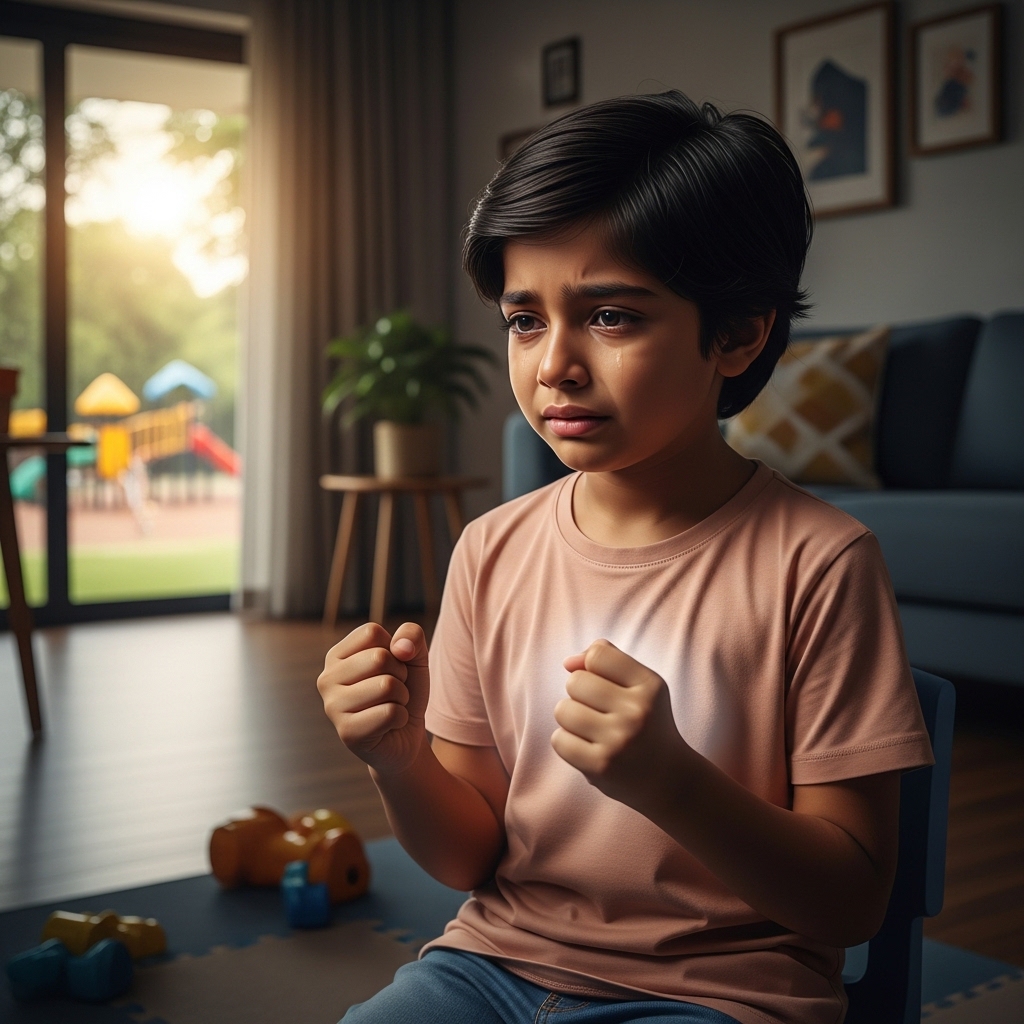
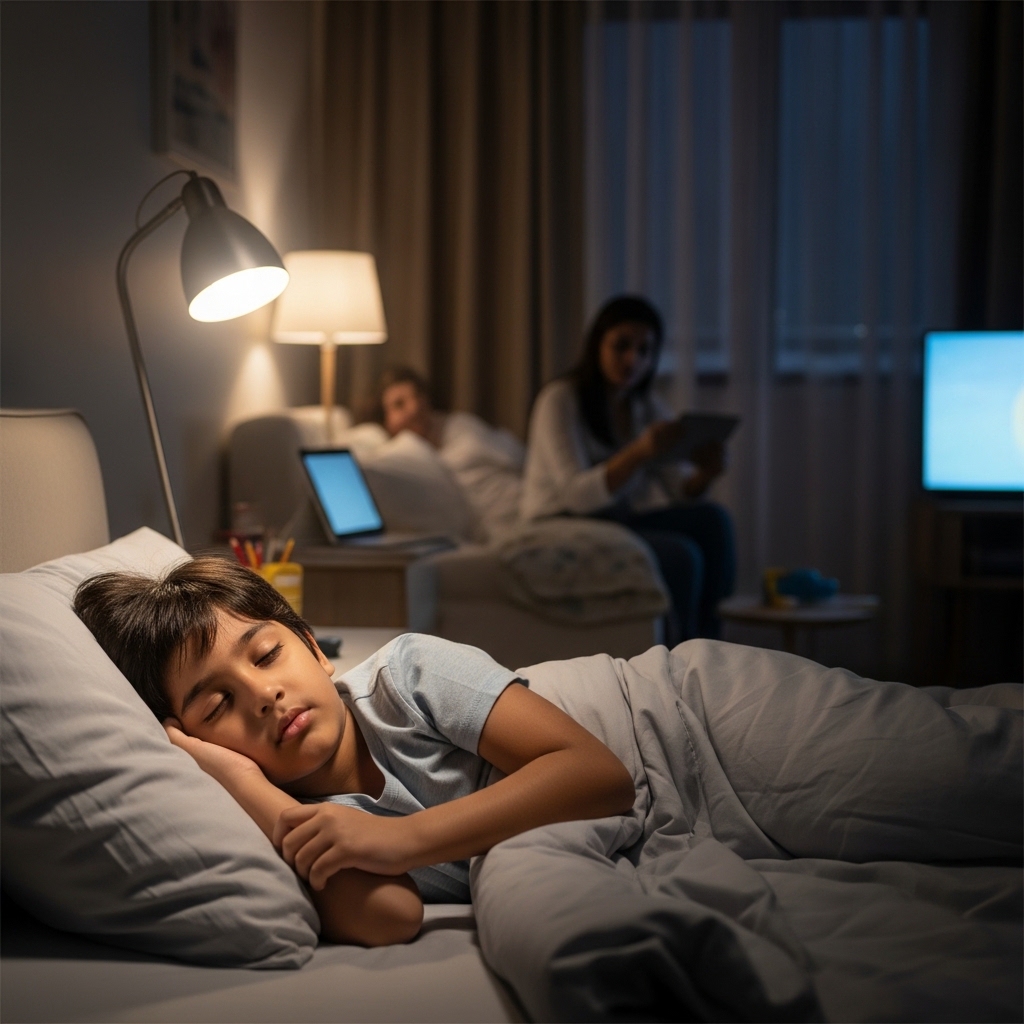
Emotionally, movement supports mood regulation. Active play releases stress and anxiety while improving sleep quality. Children who move daily often show better focus in school and greater emotional balance at home.
Socially, group activities teach cooperation, turn-taking, and communication. Playing games with peers builds friendships and confidence while helping children learn how to manage winning and losing.
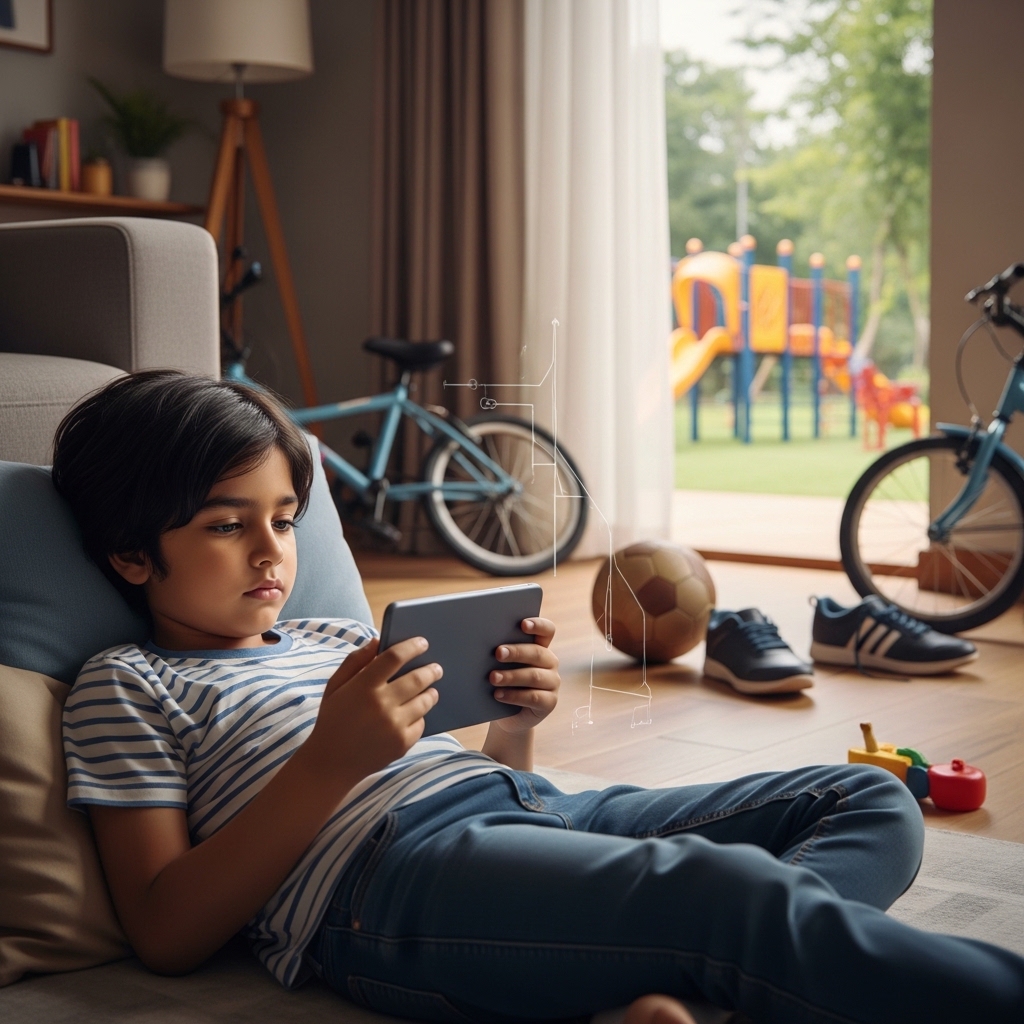
Parents can encourage daily movement by limiting screen time, planning outdoor family activities, and allowing unstructured play. Even 30–60 minutes of movement each day can make a meaningful difference.
Ultimately, daily activity teaches children to enjoy movement as part of life — a habit that supports lifelong health.

Ruchira Darda
I am Ruchira Darda, a relationship coach, parenting expert, author, and entrepreneur with over 16 years of experience. Based in Mumbai, I work extensively in the areas of mindful living and emotional wellness. I am a TEDx speaker and focus on personality identification to help individuals and families build stronger, healthier relationships. I also lead and actively support initiatives such as the Lokmat MahaMarathon.