 1 min read
 Creating a Healthy Bedtime Routine for Children
A predictable bedtime routine helps children fall asleep faster and sleep deeper. This blog explains how parents can build calming, effective bedtime routines for children aged 5–10.




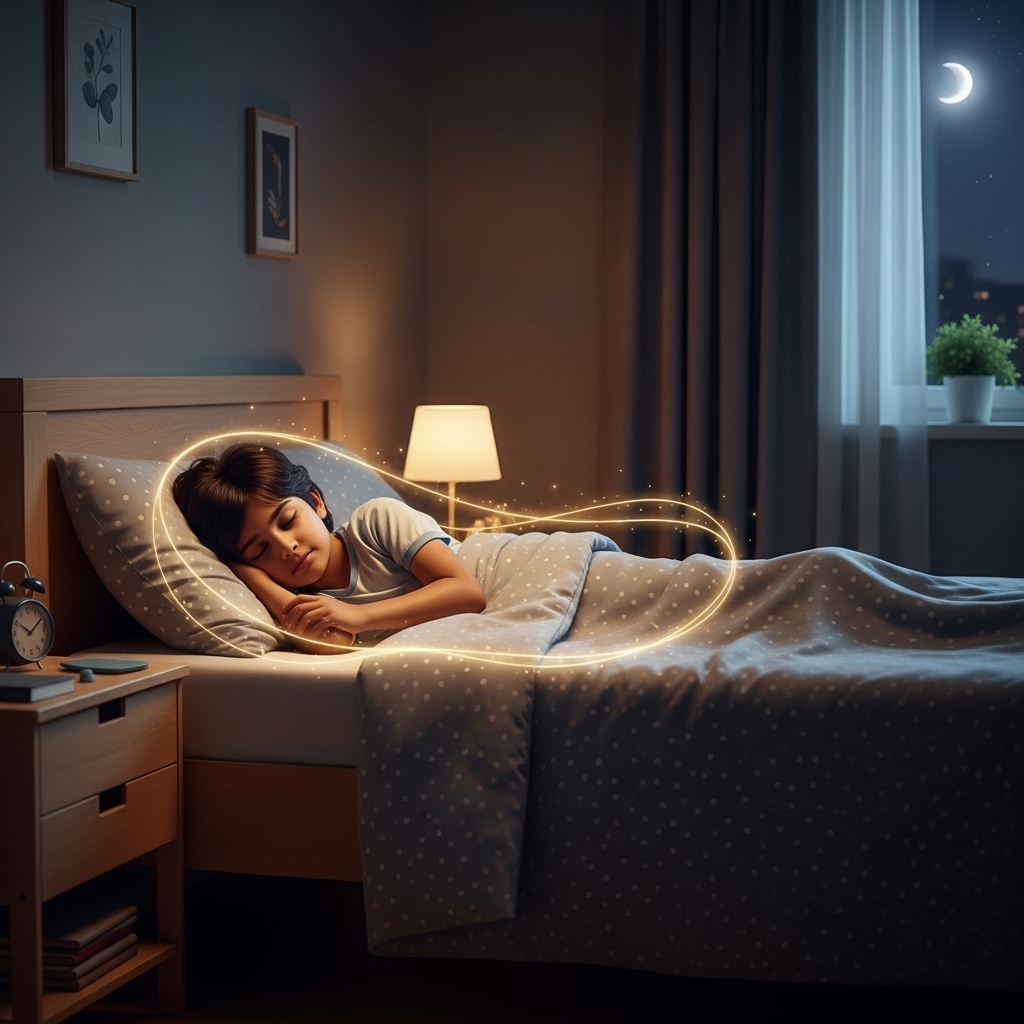
A bedtime routine is one of the most powerful tools parents can use to improve a child’s sleep quality. For children aged 5–10, routines provide emotional security and signal the brain that it is time to slow down.
Children’s brains do not naturally switch from play mode to sleep mode instantly. A structured routine helps bridge that gap. When the same activities happen in the same order each night, the body begins preparing for sleep automatically.
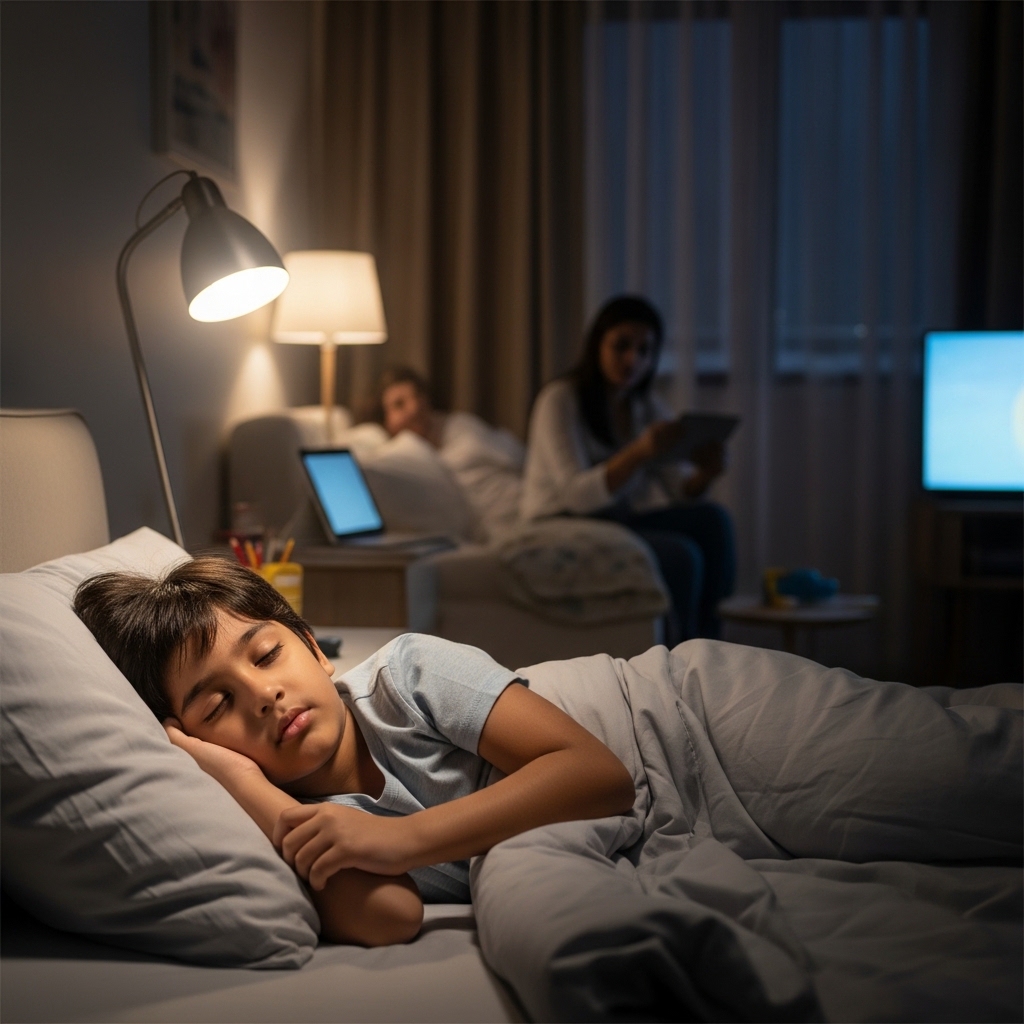
An effective bedtime routine should last 20–30 minutes and include calming activities such as a warm bath, changing into sleepwear, brushing teeth, reading, or quiet conversation. Loud play, bright lights, and screens should be avoided during this time.
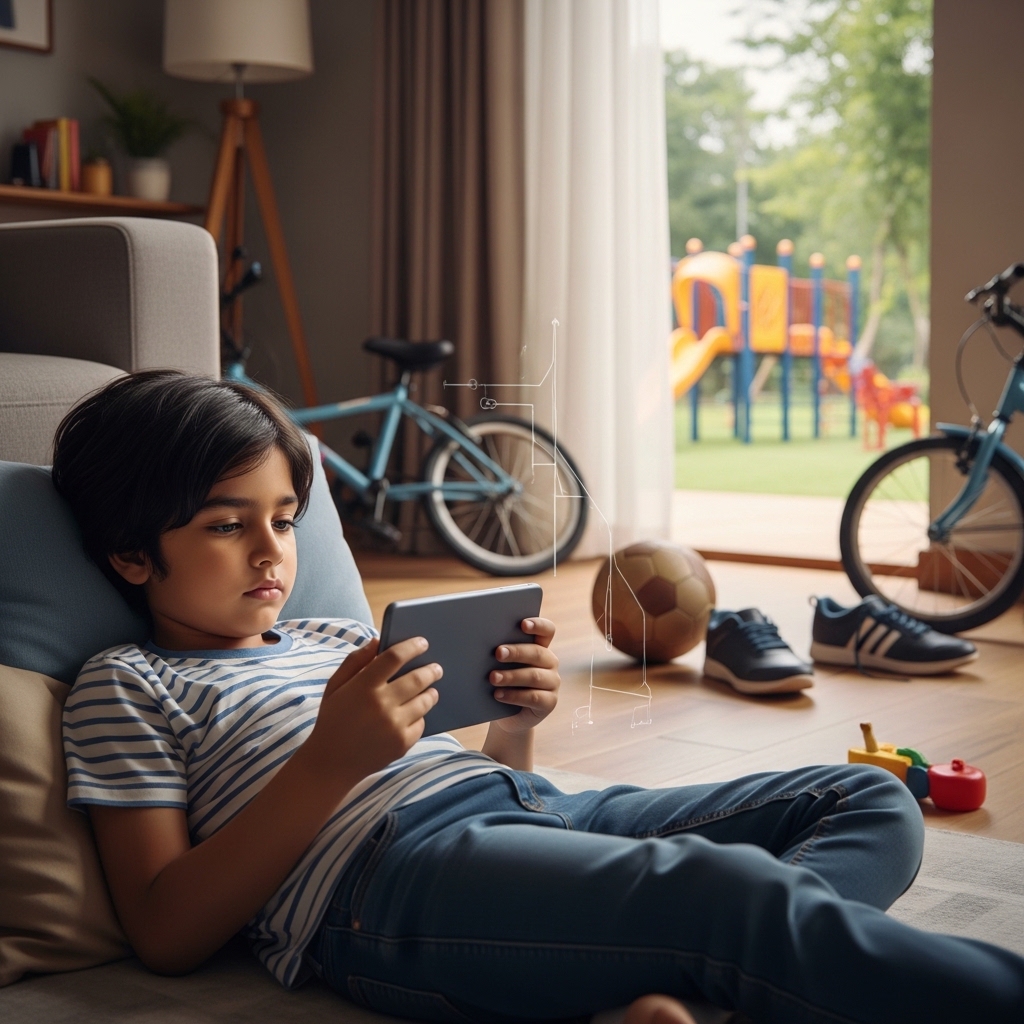
Screens are especially disruptive. Blue light suppresses melatonin, the hormone that controls sleep. Even short screen exposure before bed can delay sleep onset and reduce sleep depth.
Consistency matters more than complexity. A simple routine repeated nightly is far more effective than an elaborate routine done occasionally. Children feel safer when they know what comes next, which reduces bedtime resistance.
Parents should keep the routine calm and positive. Bedtime should not feel like punishment. Gentle reassurance, affection, and predictable structure help children associate sleep with comfort rather than stress.
Over time, a strong bedtime routine improves sleep quality, emotional regulation, and daytime behavior. It also strengthens the parent-child bond.

Ruchira Darda
I am Ruchira Darda, a relationship coach, parenting expert, author, and entrepreneur with over 16 years of experience. Based in Mumbai, I work extensively in the areas of mindful living and emotional wellness. I am a TEDx speaker and focus on personality identification to help individuals and families build stronger, healthier relationships. I also lead and actively support initiatives such as the Lokmat MahaMarathon.