 1 min read
 Building Natural Immunity During Adolescence
Teenage years bring major physical and hormonal changes. This blog explains how adolescents can strengthen immunity naturally.




Adolescence is a time of rapid growth and transformation. Hormonal changes, growth spurts, emotional shifts, and lifestyle changes all place new demands on the immune system. This phase reshapes immunity, making it crucial to support the body naturally during these years.
Why Immunity Changes in Adolescence
Hormones such as estrogen and testosterone influence immune responses. At the same time, teens often experience irregular sleep, skipped meals, increased screen time, and stress—factors that weaken immune defenses.
As a result, adolescents may experience frequent infections, fatigue, skin issues, or delayed healing.
Natural Ways to Strengthen Immunity
The immune system adapts best when supported through daily habits rather than quick fixes.
Key pillars of natural immunity include:
-
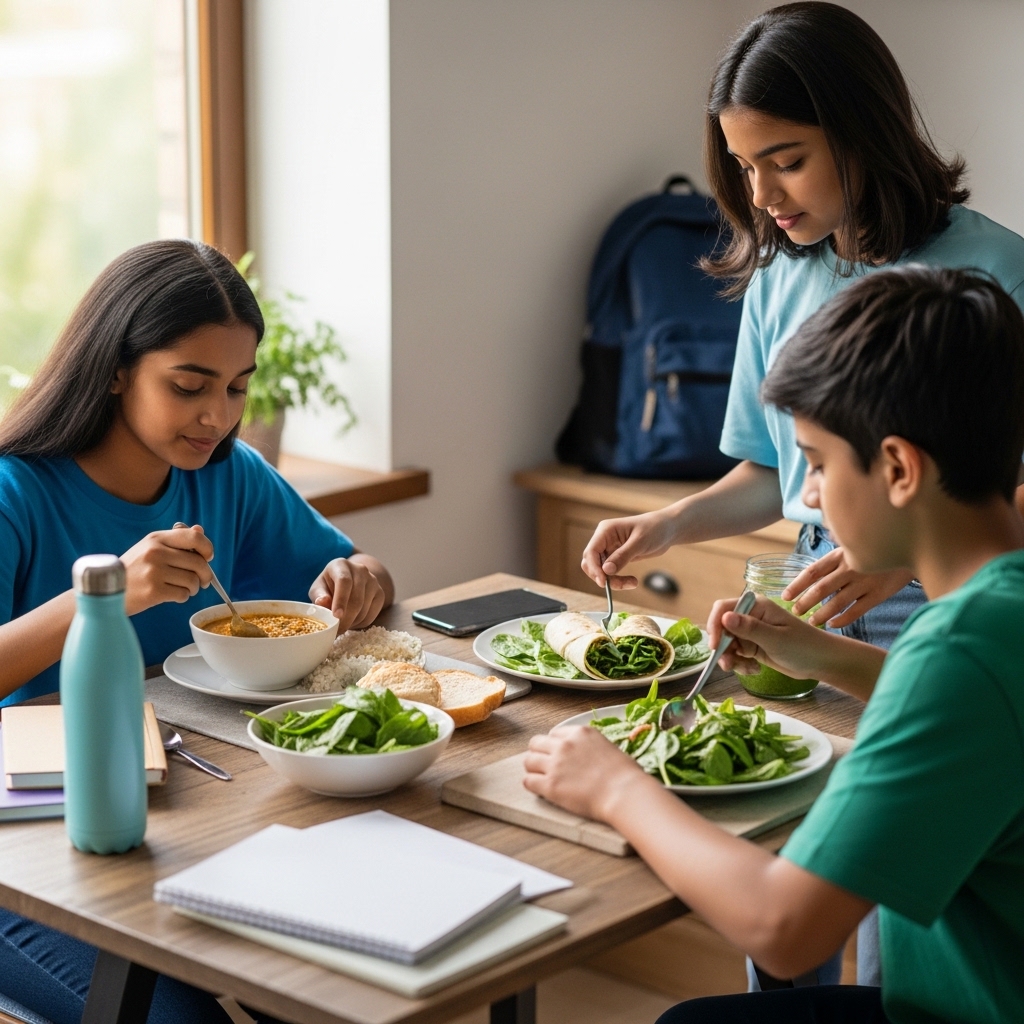
Balanced nutrition: Whole foods provide essential nutrients for immune cell development.
-
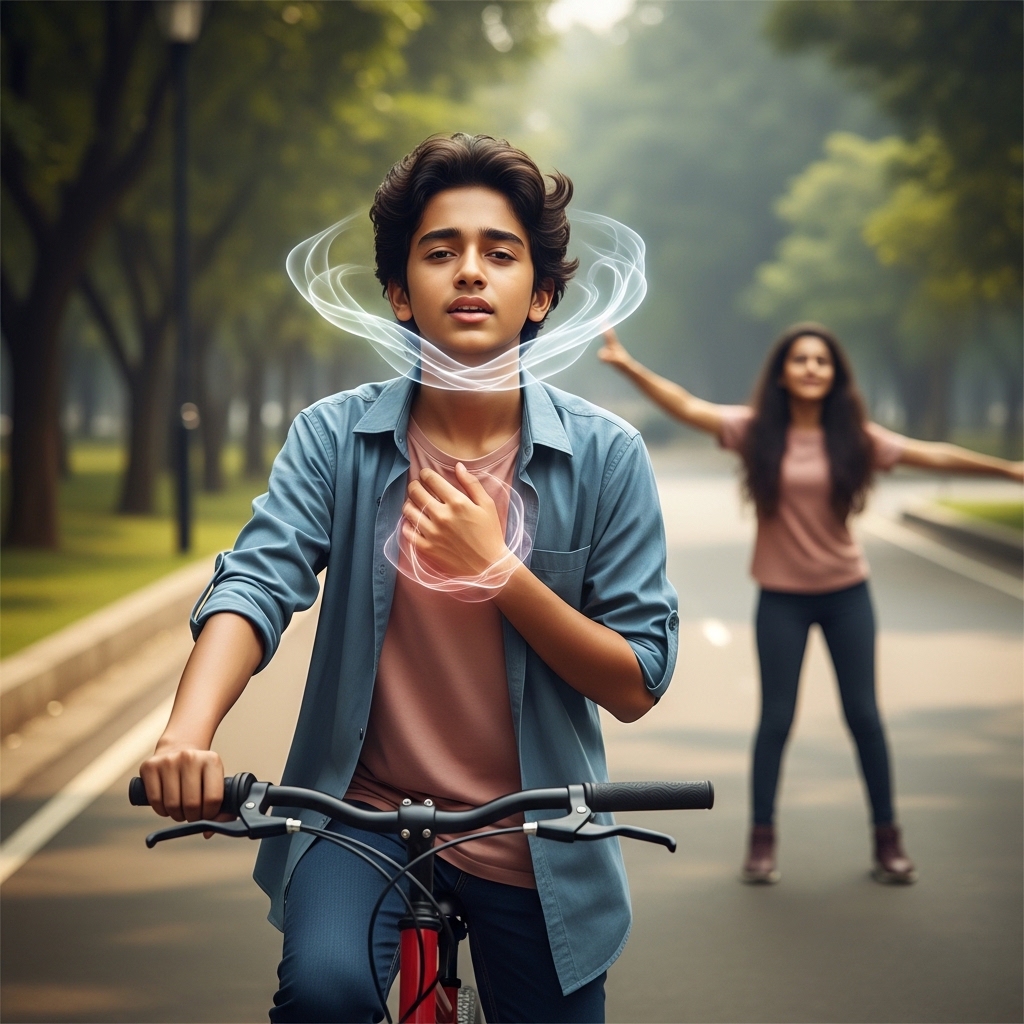
Physical activity: Regular movement improves circulation and immune response.
-
Adequate sleep: Rest allows the body to repair and regenerate immune cells.
-
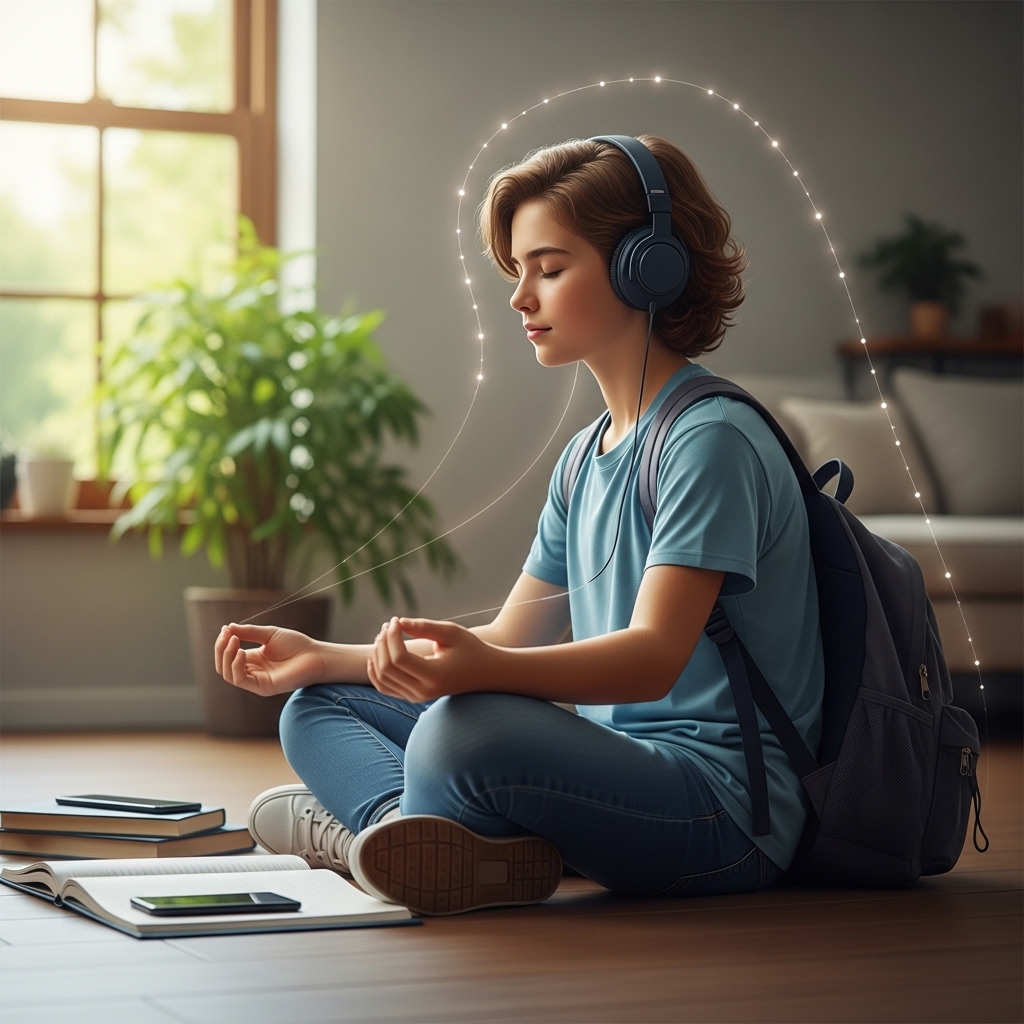
Emotional support: Stress management protects immune balance.
The Importance of Consistency
Immunity doesn’t strengthen overnight. Consistent routines—regular meals, sleep schedules, and activity—help the body adapt to hormonal and physical changes more effectively.
Conclusion
Adolescence is not a weak phase—it’s a rebuilding phase. With the right lifestyle support, teens can develop strong, adaptable immunity that benefits them well into adulthood.

Ruchira Darda
I am Ruchira Darda, a relationship coach, parenting expert, author, and entrepreneur with over 16 years of experience. Based in Mumbai, I work extensively in the areas of mindful living and emotional wellness. I am a TEDx speaker and focus on personality identification to help individuals and families build stronger, healthier relationships. I also lead and actively support initiatives such as the Lokmat MahaMarathon.