 2 min read
 Bella and the Feelings Factory – Helping Children Understand Emotions and Build Emotional Intelligence
Bella and the Feelings Factory is a thoughtful animated film that introduces children to emotions in a gentle and creative way. Designed for ages 5–10, the movie helps kids understand feelings, empathy, and self-expression. This parent-focused blog explores how the film supports emotional literacy and mental well-being.




Bella and the Feelings Factory
Learning to understand emotions is one of the most important parts of childhood development. Between ages five and ten, children begin naming their feelings, recognizing emotions in others, and learning healthy ways to cope. Bella and the Feelings Factory offers a beautiful introduction to emotional awareness through imaginative storytelling.
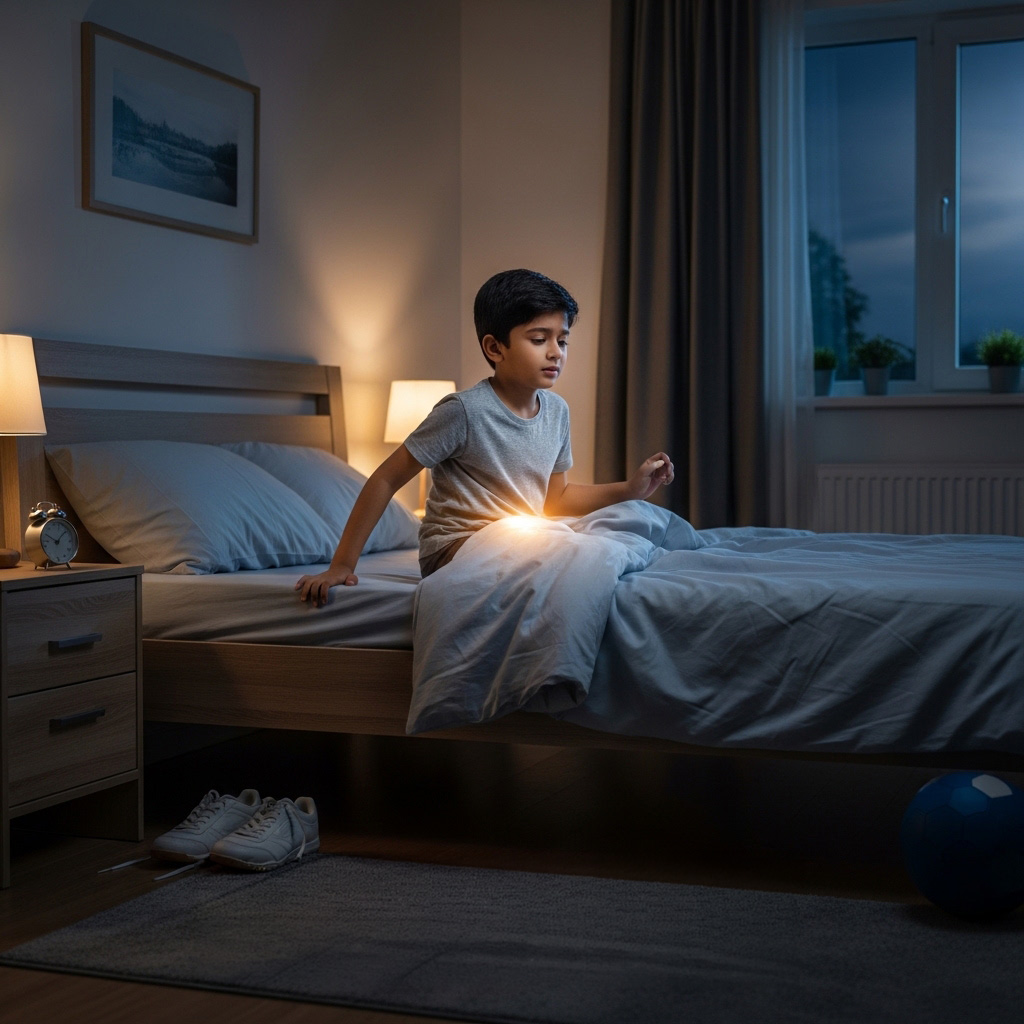
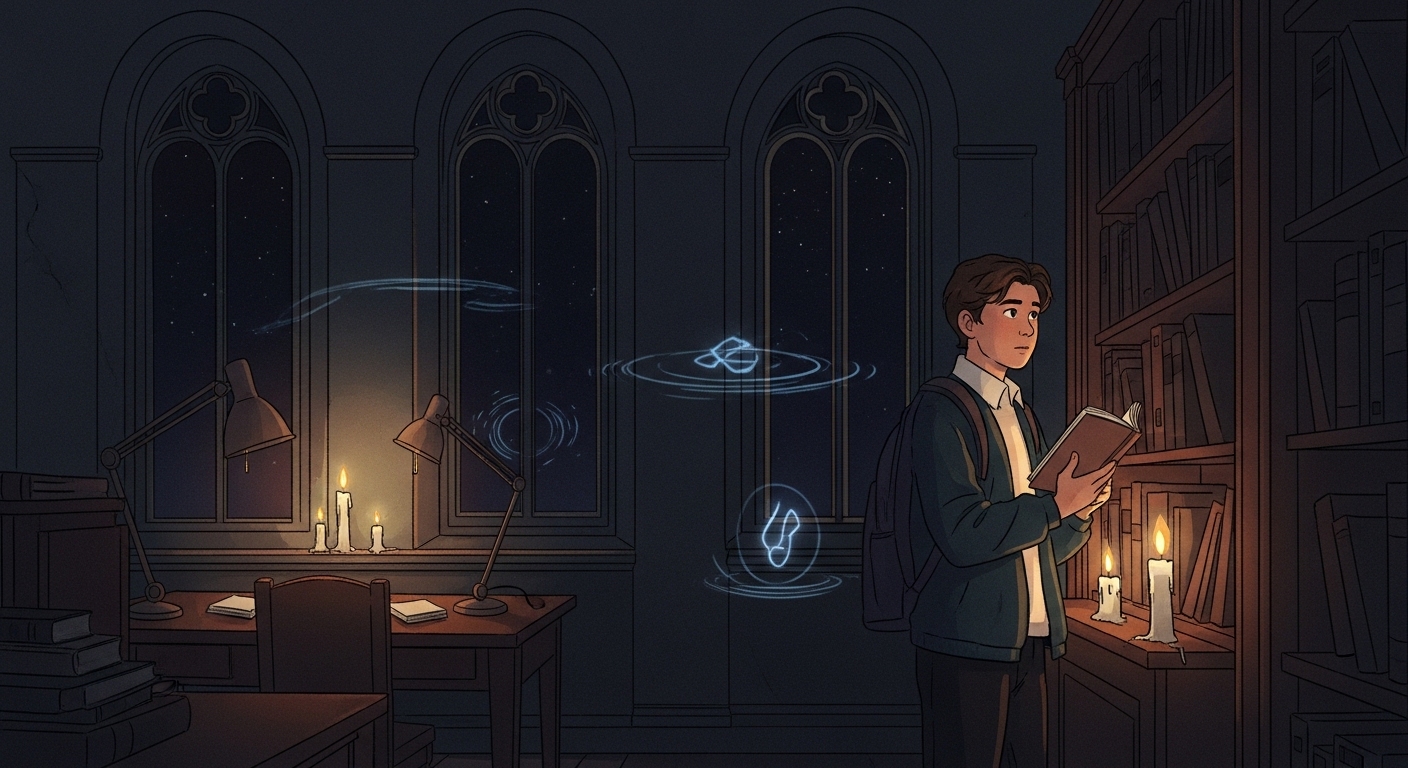
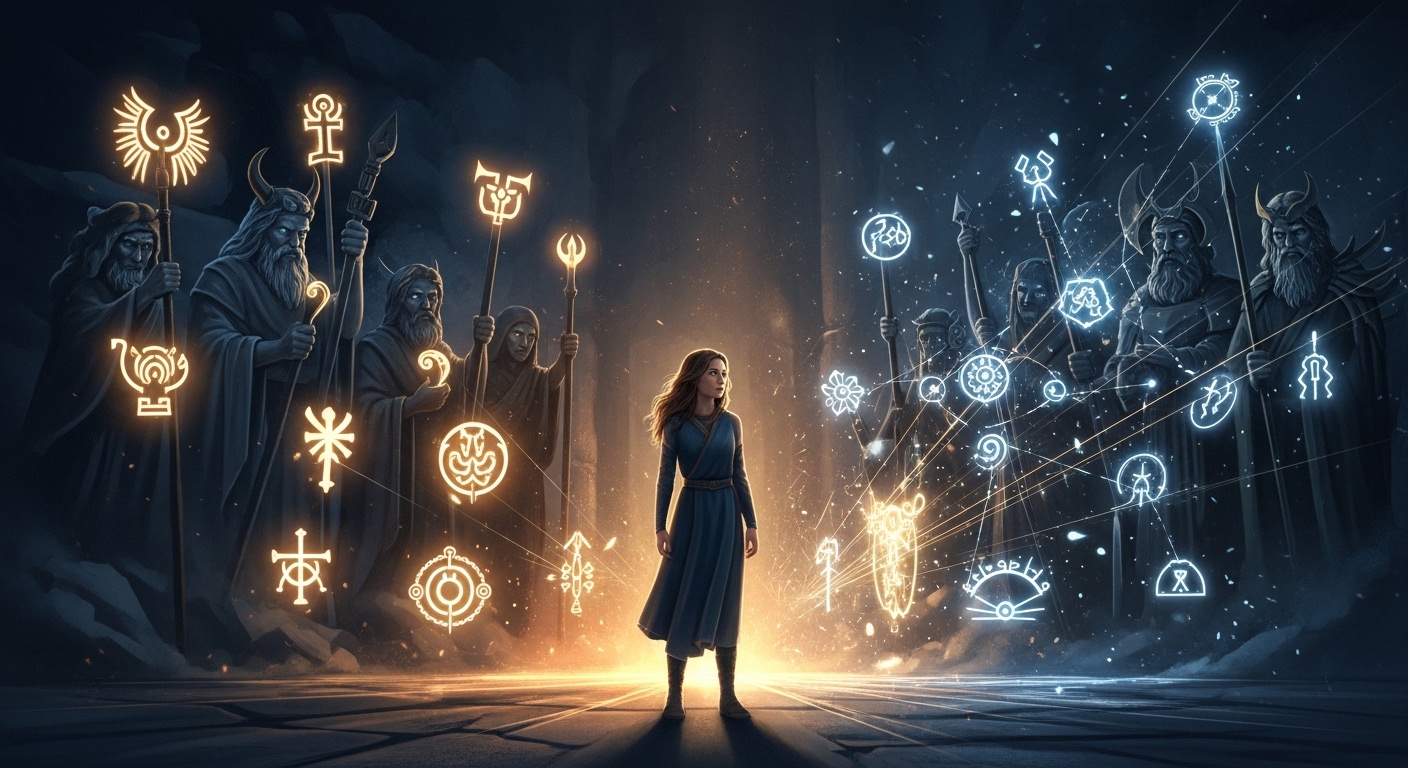
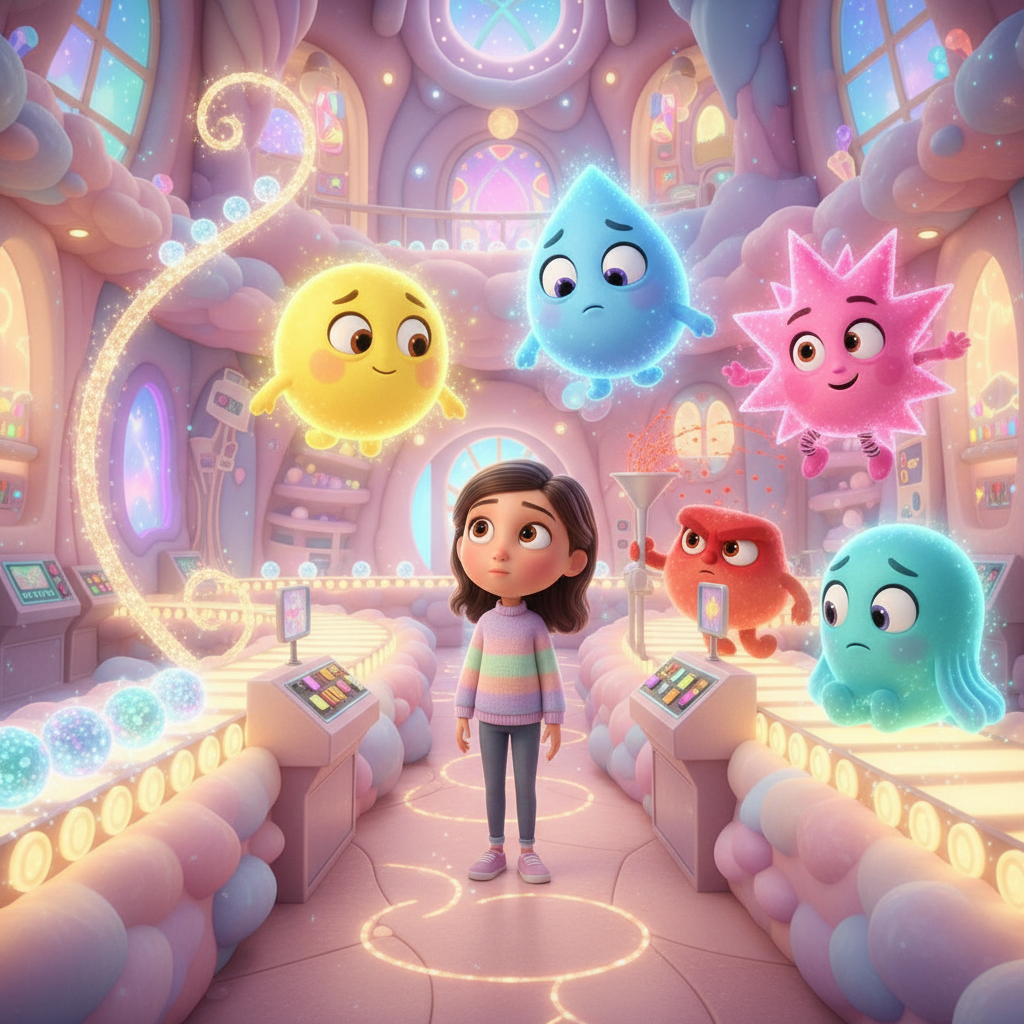
The story follows Bella, a curious young girl who discovers a magical factory inside her mind where different emotions are created and managed. Each feeling — happiness, sadness, anger, excitement, and calm — is represented by friendly characters who help Bella understand what she’s experiencing. When the factory becomes unbalanced, Bella must learn how to recognize and manage her emotions.
One of the movie’s greatest strengths is its focus on emotional literacy. Children see emotions represented clearly and kindly, making it easier for them to identify how they feel. Instead of labeling emotions as “good” or “bad,” the movie shows that every feeling has a purpose. This teaches kids that it’s okay to feel upset or frustrated and that emotions are part of being human.
The film also encourages self-regulation. Bella learns simple techniques such as pausing, breathing, and talking about her feelings when things feel overwhelming. These moments provide valuable tools that children can use in real life, especially during stressful situations at school or home.
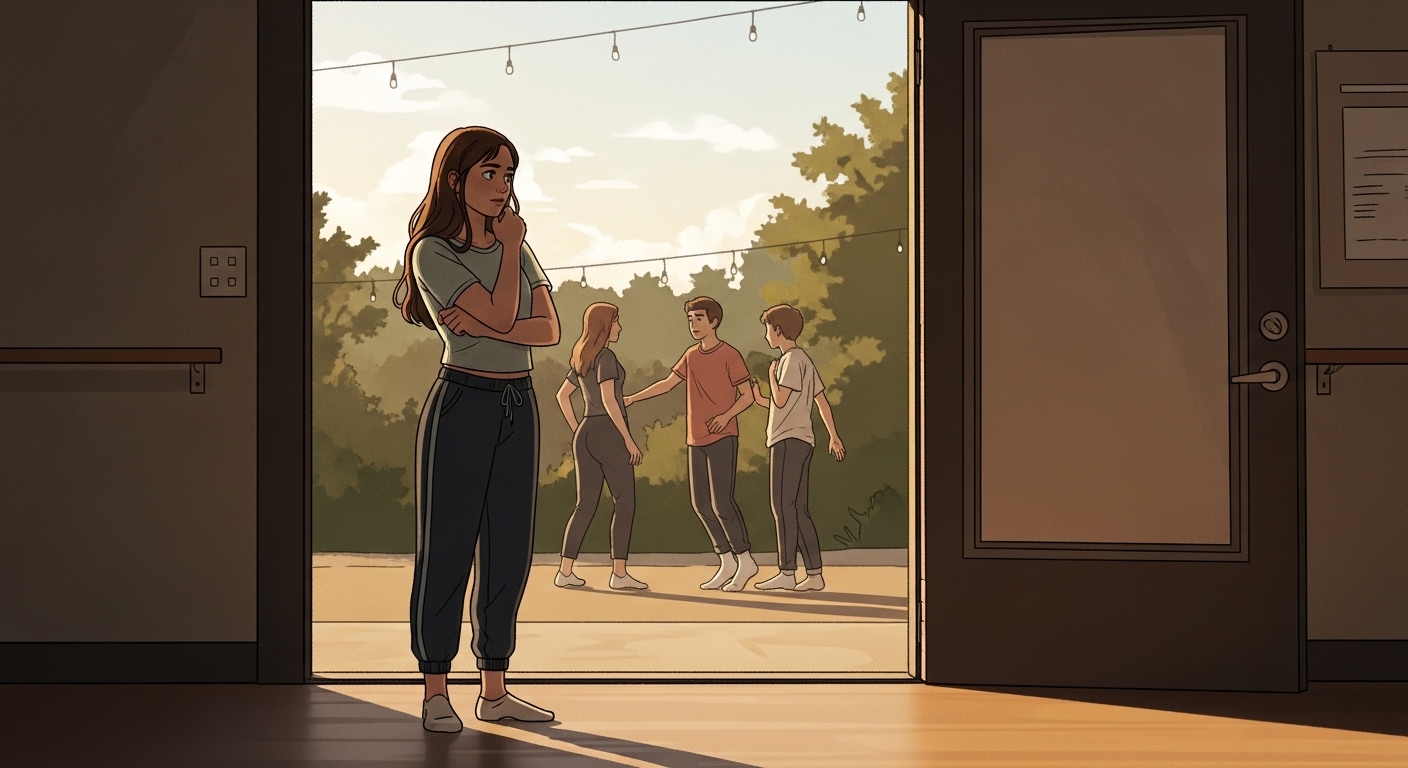
Empathy is another key theme. Bella begins to notice how her moods affect others and learns to respond with kindness. Children watching understand that emotions influence relationships and that being considerate of others helps build stronger connections.
Socially, the movie supports communication skills. Bella practices expressing her feelings with words rather than actions. This models healthy emotional expression and helps children learn how to talk about what’s happening inside them.
Parents will appreciate how the film opens doors for meaningful conversations. After watching, you might ask your child which emotion character they liked most or how they feel when they’re angry or sad. These discussions normalize emotional expression and strengthen trust between parent and child.
Visually, the Feelings Factory is colorful and imaginative, making abstract emotional concepts easy for young minds to grasp. The gentle pace and warm storytelling style make the movie suitable even for sensitive children.
From a developmental standpoint, this film supports mental well-being by teaching children that emotions are manageable and that help is always available through communication and care.
Ultimately, Bella and the Feelings Factory reminds children that understanding emotions is a superpower. By learning to recognize, express, and balance their feelings, kids gain confidence and emotional strength.
For families seeking meaningful screen time that nurtures emotional growth, this movie is a wonderful choice.

Ruchira Darda
I am Ruchira Darda, a relationship coach, parenting expert, author, and entrepreneur with over 16 years of experience. Based in Mumbai, I work extensively in the areas of mindful living and emotional wellness. I am a TEDx speaker and focus on personality identification to help individuals and families build stronger, healthier relationships. I also lead and actively support initiatives such as the Lokmat MahaMarathon.