 1 min read
 Balanced Nutrition: Teaching Kids Healthy Food Choices in a Fun Way
Healthy eating habits formed in childhood shape lifelong wellness. This blog explains how balanced nutrition supports growth, concentration, and emotional stability in young children.




Balanced Nutrition
Nutrition plays a powerful role in a child’s development. Between five and ten years old, children need a variety of nutrients to support brain function, energy levels, and immune health.
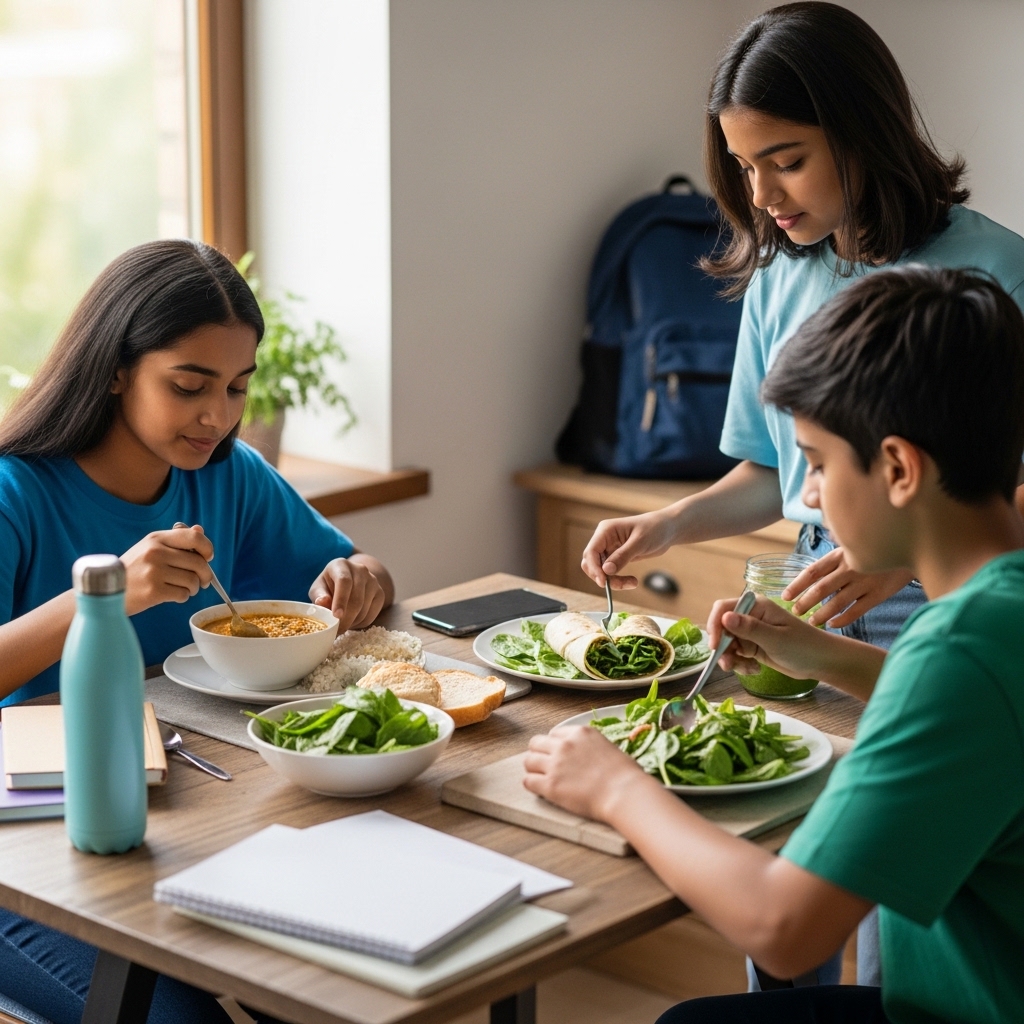
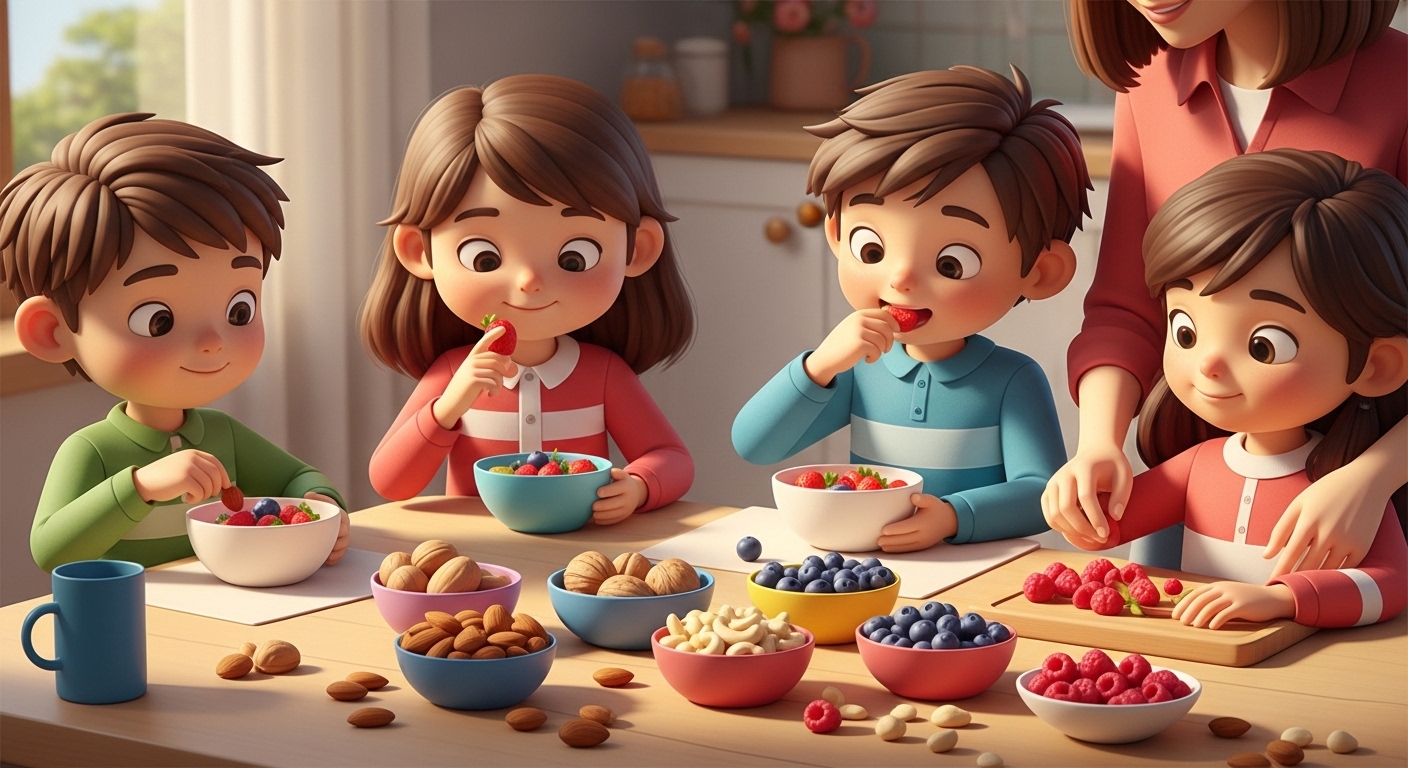
Balanced meals include fruits, vegetables, whole grains, proteins, and healthy fats. When children eat a wide range of colorful foods, they receive essential vitamins and minerals needed for learning and growth.
Healthy eating also impacts behavior and concentration. Children who consume nutritious meals often show improved attention in school and fewer energy crashes. Stable blood sugar supports emotional regulation, reducing irritability.
Parents can build positive food habits by involving children in meal preparation, offering choices between healthy options, and modeling good eating behavior themselves. Avoid labeling foods as “good” or “bad”; instead, focus on balance and moderation.
Teaching children to listen to hunger cues helps them develop a healthy relationship with food. Family meals also strengthen emotional connection while encouraging mindful eating.
In 2026, prioritizing nutrition gives children the foundation they need for physical strength and mental clarity.

Ruchira Darda
I am Ruchira Darda, a relationship coach, parenting expert, author, and entrepreneur with over 16 years of experience. Based in Mumbai, I work extensively in the areas of mindful living and emotional wellness. I am a TEDx speaker and focus on personality identification to help individuals and families build stronger, healthier relationships. I also lead and actively support initiatives such as the Lokmat MahaMarathon.