 2 min read
 Adventure Club: The Hidden Map – Boosting Curiosity, Critical Thinking, and Friendship in Children
Adventure Club: The Hidden Map is an exciting animated journey that encourages children to explore, think critically, and work together. Created for ages 5–10, the movie blends mystery with friendship and discovery. This parent-focused blog explains how the film supports cognitive growth, curiosity, and teamwork.




Adventure Club: The Hidden Map
Children naturally love mysteries. Between ages five and ten, they also begin developing stronger reasoning and problem-solving abilities. Adventure Club: The Hidden Map taps into this stage of development by combining exploration with thoughtful challenges, helping kids learn while having fun.
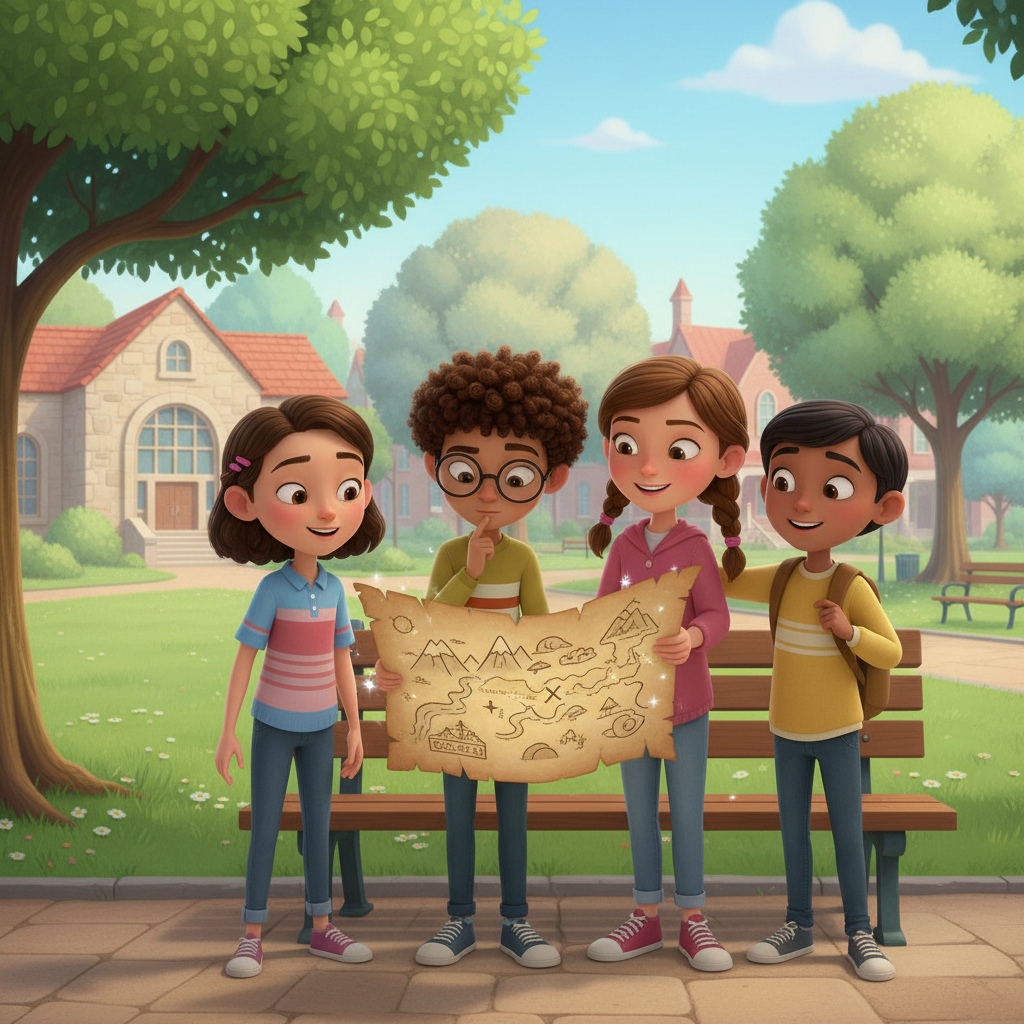
The story follows four friends who discover an old map hidden inside a library book. Curious and excited, they set off on a neighborhood adventure to uncover its secrets. Along the way, they solve riddles, follow clues, and overcome small obstacles together. Rather than focusing on competition, the movie emphasizes cooperation and shared success.
One of the main strengths of this film is its encouragement of critical thinking. The children analyze symbols, connect clues, and think logically about their next steps. Young viewers see how problems can be broken down into smaller parts, teaching them that thoughtful thinking leads to better decisions.
The movie also supports curiosity and exploration. The characters ask questions, investigate their surroundings, and learn from mistakes. This inspires children to become active learners, reminding them that discovery often begins with simply wondering “why” or “how.”
Friendship plays a central role throughout the story. Each member of the Adventure Club has different strengths — one is observant, another creative, another organized, and another emotionally supportive. Together, they show how teamwork works best when everyone contributes. This reinforces respect for differences and collaboration.
Emotionally, the film promotes confidence and resilience. When the group encounters setbacks, they don’t quit. They encourage each other and try new approaches. Children learn that challenges are part of any journey and that perseverance leads to growth.
The movie also highlights communication skills. The friends share ideas, listen carefully, and compromise when opinions differ. These scenes model healthy ways to resolve disagreements and make group decisions — skills children need in classrooms and social settings.
Parents will appreciate how relatable the adventure feels. The story takes place in familiar environments like parks, libraries, and neighborhoods, helping children imagine their own explorations. The pacing is gentle yet engaging, making it suitable for a wide range of attention spans.
After watching, parents can deepen learning by asking questions such as, “Which clue was your favorite?” or “How did the friends help each other?” These conversations strengthen understanding and encourage children to reflect on teamwork and problem-solving.
Ultimately, Adventure Club: The Hidden Map teaches children that learning is an adventure, friendships grow through cooperation, and every challenge is an opportunity to think creatively.
For families looking for an entertaining movie that nurtures curiosity and social skills, this film offers both excitement and meaningful lessons.

Ruchira Darda
I am Ruchira Darda, a relationship coach, parenting expert, author, and entrepreneur with over 16 years of experience. Based in Mumbai, I work extensively in the areas of mindful living and emotional wellness. I am a TEDx speaker and focus on personality identification to help individuals and families build stronger, healthier relationships. I also lead and actively support initiatives such as the Lokmat MahaMarathon.