 1 min read
 Social Withdrawal and Reduced Real-World Engagement
Lack of physical activity can reduce social interaction. This blog explains how movement supports connection and confidence in teens.




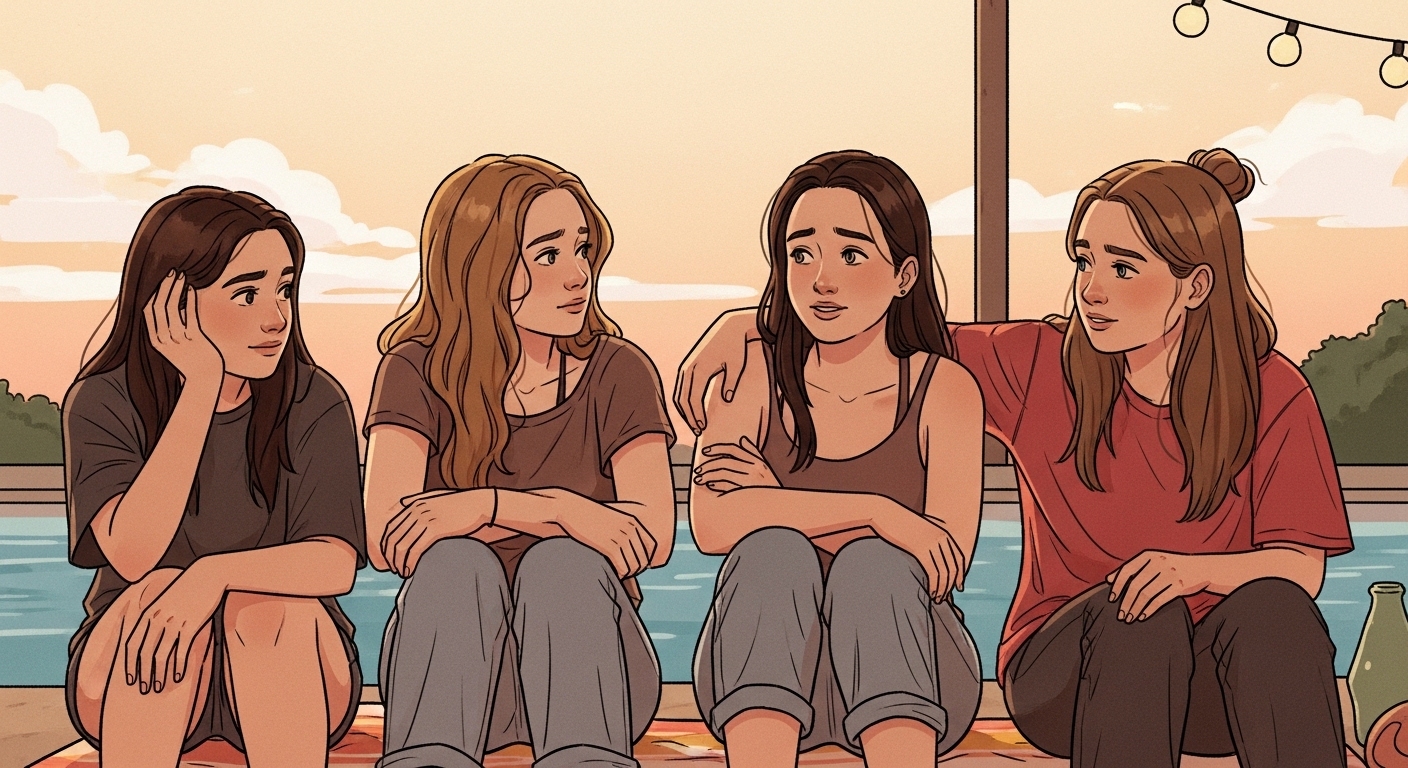
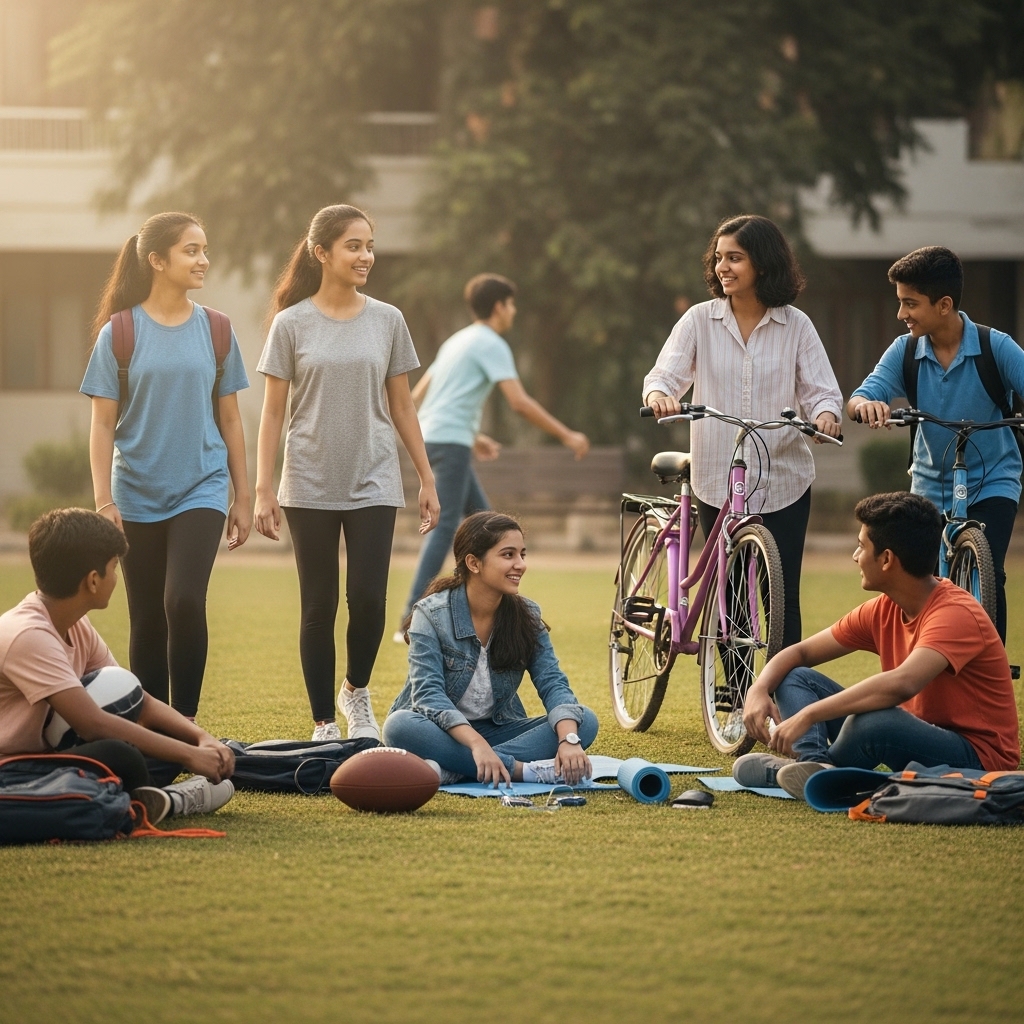
Sports, walking groups, and other shared physical activities offer more than physical benefits—they create natural spaces for social connection. When teens move together, they learn to cooperate, communicate, take turns, and support one another. These interactions build social skills in a way that feels organic rather than forced.
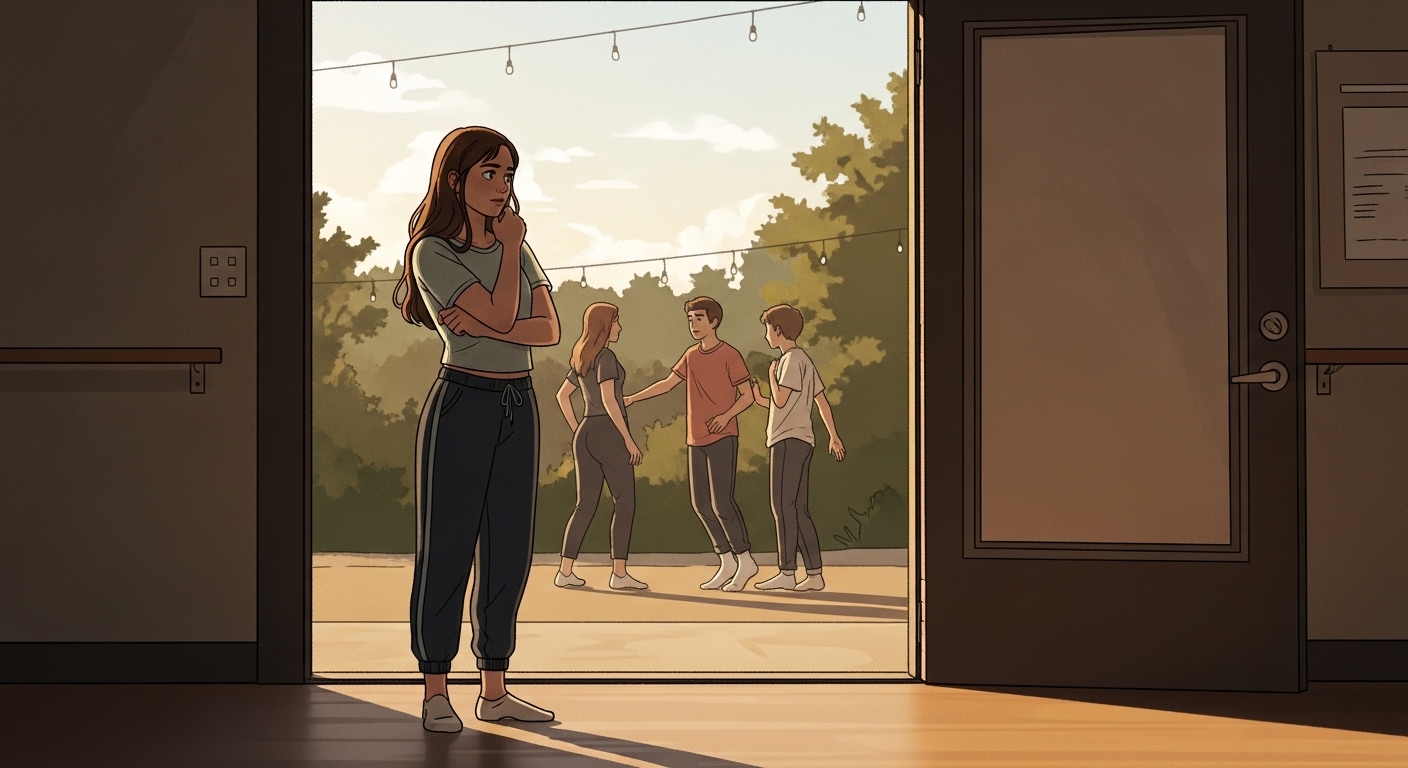
When physical activity is limited, many teens turn inward, spending increasing amounts of time on screens. While digital interaction can offer connection, overreliance on it may lead to social withdrawal, isolation, and reduced confidence in face-to-face interactions. Over time, this can affect communication skills and sense of belonging.
Movement brings teens into shared experiences. Team sports encourage collaboration and leadership, group walks invite conversation, and activity-based clubs create a sense of inclusion. These experiences help teens feel seen, valued, and part of something larger than themselves.
Physical activity supports not just muscle and stamina, but emotional and social wellbeing.
When teens move together, they build confidence, connection, and community—strengthening both body and social health.

Ruchira Darda
I am Ruchira Darda, a relationship coach, parenting expert, author, and entrepreneur with over 16 years of experience. Based in Mumbai, I work extensively in the areas of mindful living and emotional wellness. I am a TEDx speaker and focus on personality identification to help individuals and families build stronger, healthier relationships. I also lead and actively support initiatives such as the Lokmat MahaMarathon.