 1 min read
 How Poor Sleep Affects Mental Health in Teenagers
Sleep deprivation strongly impacts teen mental health. This blog explores the connection between sleep and emotional wellbeing.




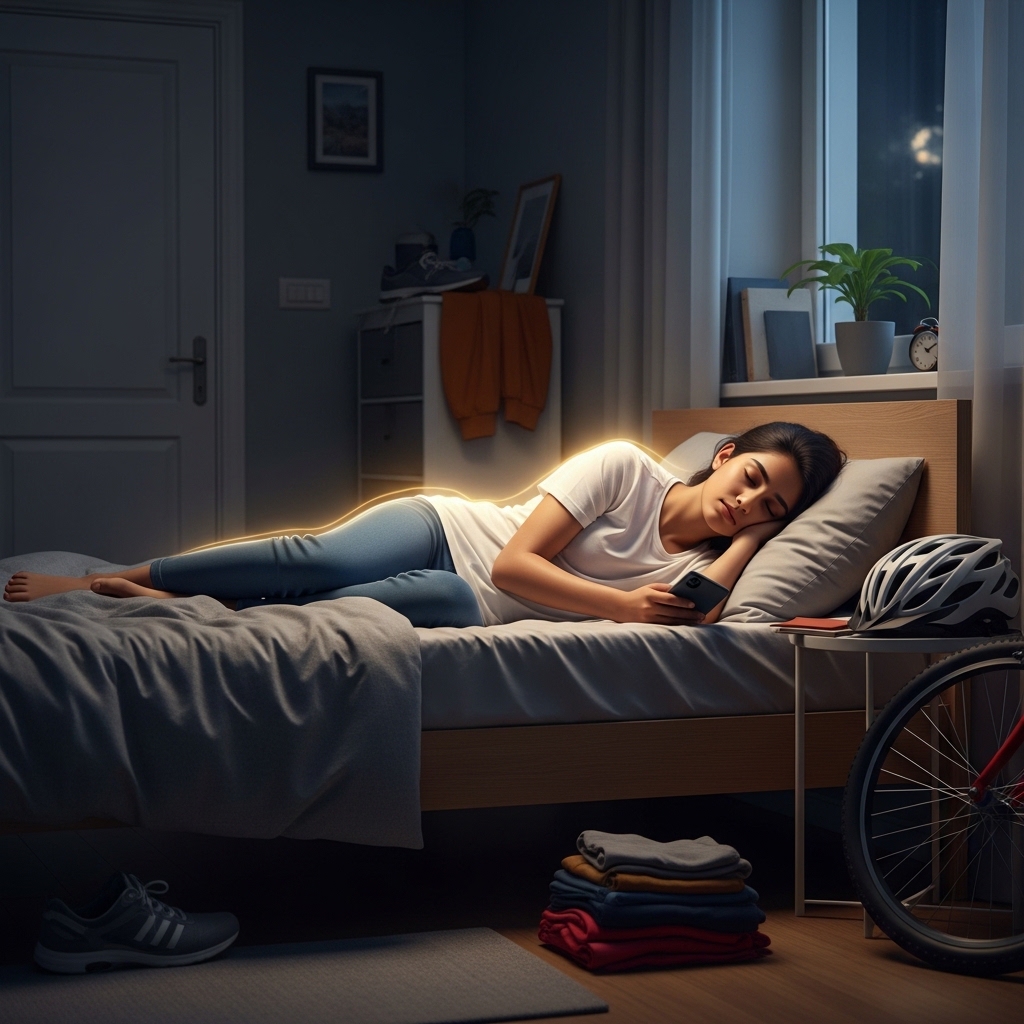
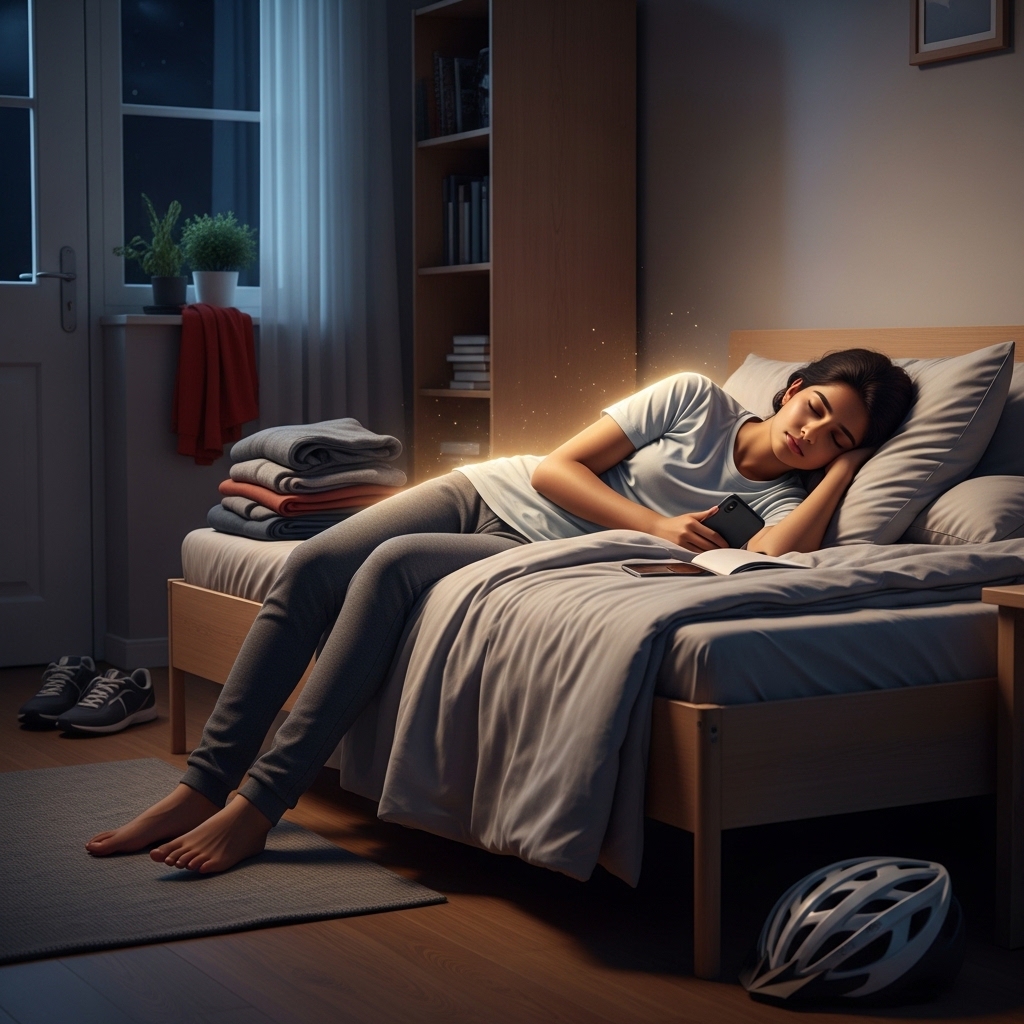
Poor sleep doesn’t just make teenagers tired—it directly affects how they feel, react, and cope. When sleep is inadequate or irregular, the brain’s ability to regulate emotions weakens. This increases vulnerability to anxiety, low mood, irritability, and heightened stress sensitivity. Small challenges begin to feel overwhelming, and emotional reactions become more intense and harder to manage.
During sleep—especially deep and REM sleep—the brain processes emotions, organizes memories, and restores balance between emotional and logical centers. When this process is disrupted, emotional overload builds up. Teens may appear moody, withdrawn, or easily frustrated, when the underlying issue is often chronic sleep deprivation.
Improving sleep frequently leads to noticeable improvements in mental health—sometimes without any additional intervention. Better sleep enhances emotional resilience, supports clearer thinking, and reduces baseline stress levels. As sleep quality improves, teens often report feeling calmer, more focused, and better equipped to handle daily pressures.
Sleep is not just rest. Sleep is emotional regulation in action.
By protecting sleep, we support both mental wellbeing and overall health in a natural, sustainable way.

Ruchira Darda
I am Ruchira Darda, a relationship coach, parenting expert, author, and entrepreneur with over 16 years of experience. Based in Mumbai, I work extensively in the areas of mindful living and emotional wellness. I am a TEDx speaker and focus on personality identification to help individuals and families build stronger, healthier relationships. I also lead and actively support initiatives such as the Lokmat MahaMarathon.