 1 min read
 Sleep Schedules for Teens – Understanding the Adolescent Body Clock
Teenagers experience a natural shift in sleep timing. This blog explains how biological changes affect teen sleep schedules.




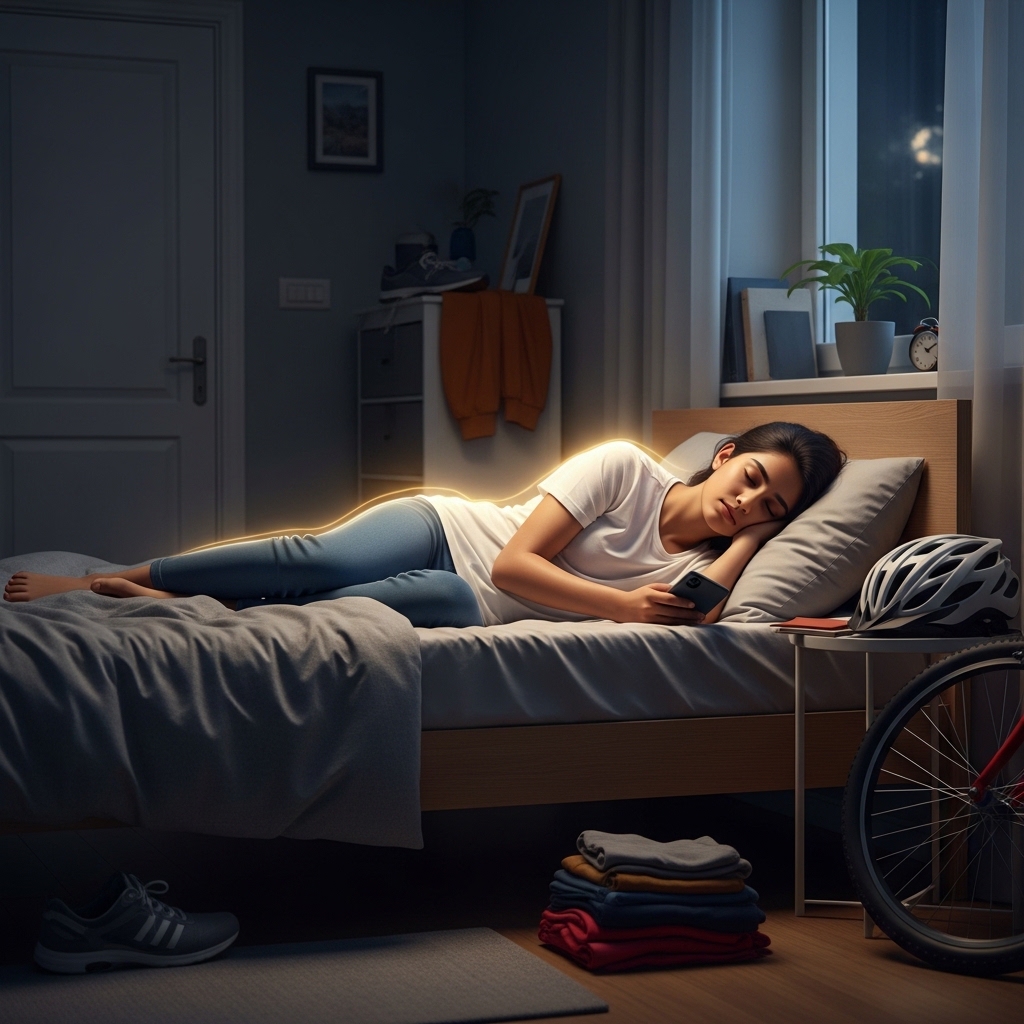
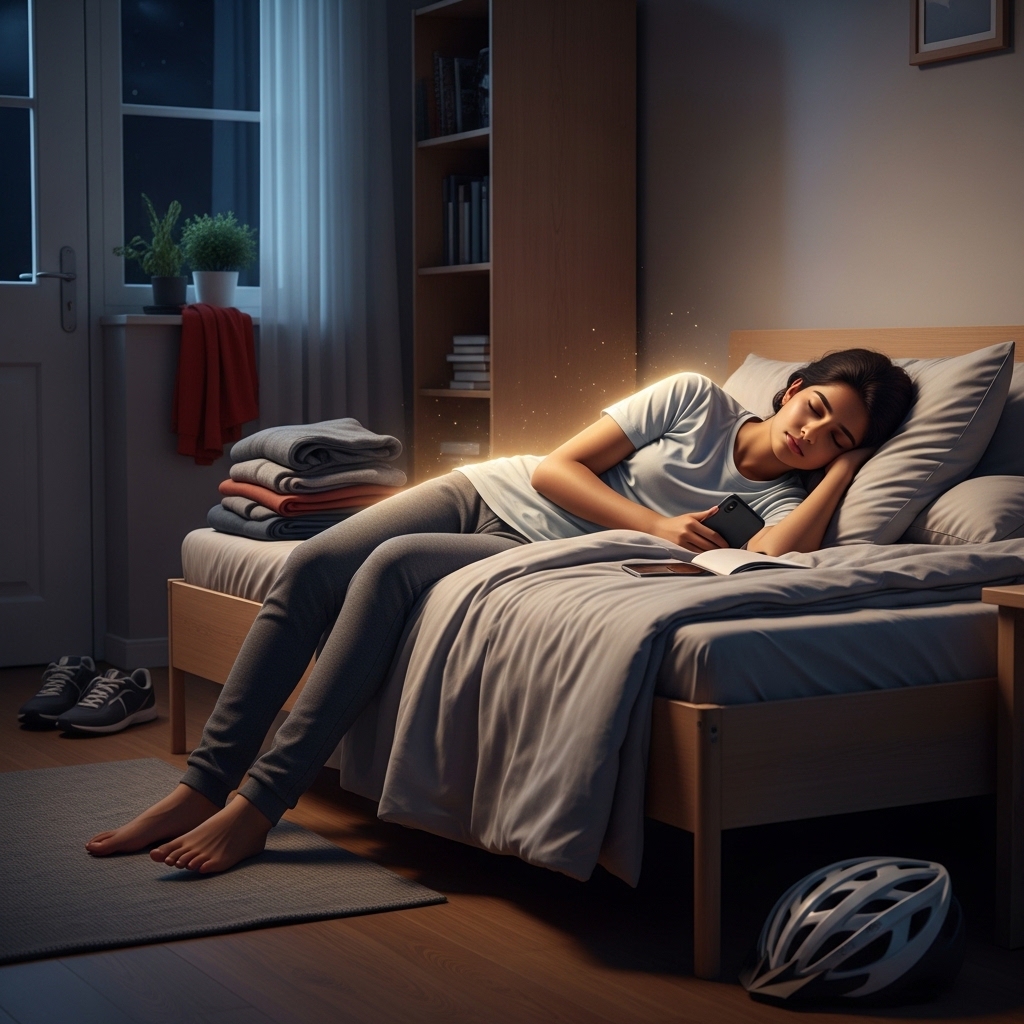
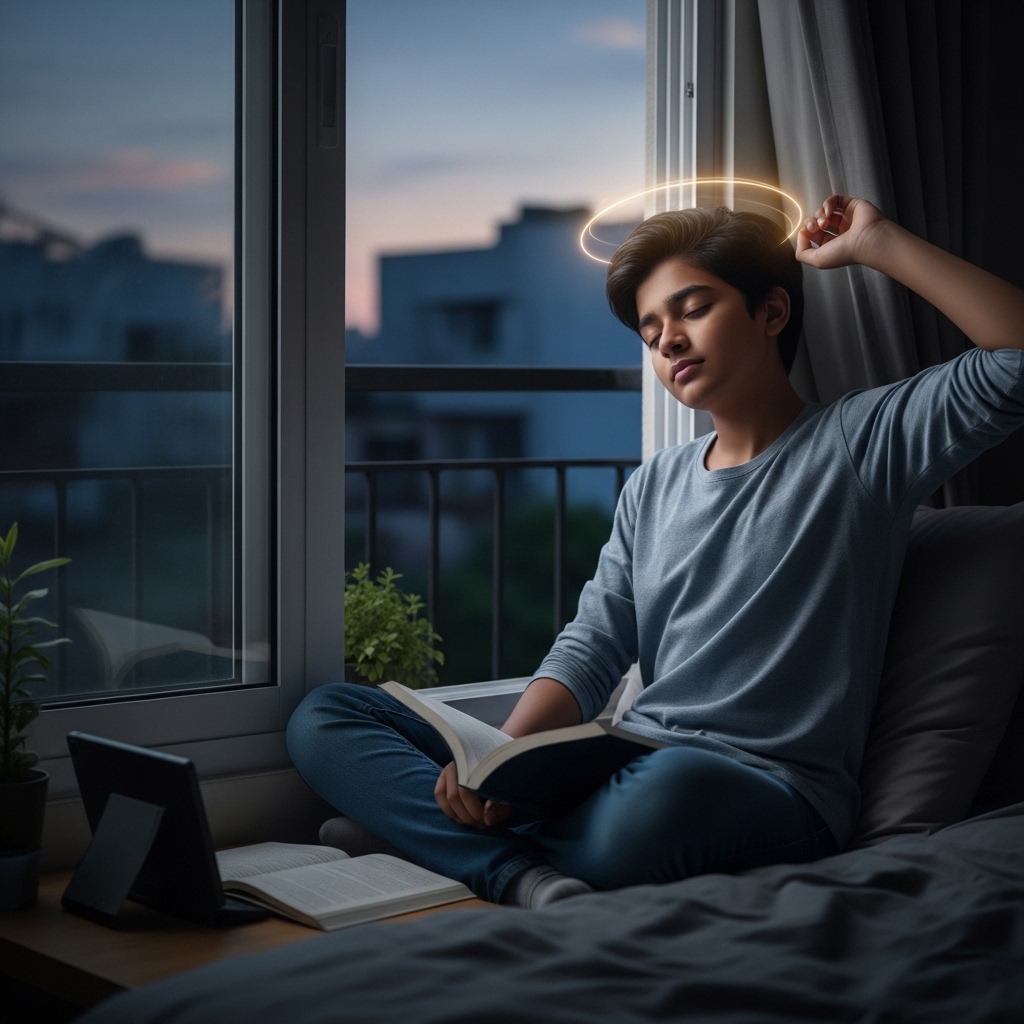
During puberty, a teenager’s biological clock naturally shifts. This internal timing system—known as the circadian rhythm—moves later, meaning the body releases melatonin, the hormone responsible for sleep, much later at night than it does in younger children or adults. As a result, teens don’t feel sleepy early in the evening, even when they are physically tired.
This shift is not caused by laziness or poor discipline. It is a normal biological change that occurs during adolescence. However, despite falling asleep later, teenagers still require 8–10 hours of quality sleep for healthy brain development, emotional regulation, and immune function.
The challenge arises when early school start times force teens to wake up before their bodies are ready. Over time, this creates chronic sleep deprivation, which weakens immunity, reduces concentration, affects mood, and increases stress levels. Many teens function in a constant state of sleep debt without realizing its impact on their health.
Understanding this biological reality can transform how adults approach teen sleep. When parents recognize that delayed sleep timing is natural, they can shift from constant conflict to supportive strategies—such as gradually adjusting routines, limiting late-night screen exposure, and prioritizing consistent wake times. Support, rather than pressure, helps teens develop healthier sleep habits while respecting their changing biology.

Ruchira Darda
I am Ruchira Darda, a relationship coach, parenting expert, author, and entrepreneur with over 16 years of experience. Based in Mumbai, I work extensively in the areas of mindful living and emotional wellness. I am a TEDx speaker and focus on personality identification to help individuals and families build stronger, healthier relationships. I also lead and actively support initiatives such as the Lokmat MahaMarathon.