 1 min read
 Screens, Social Media, and Teen Sleep Schedules
Screen use is the biggest disruptor of teen sleep. This blog explains how screens affect sleep and how to manage them.




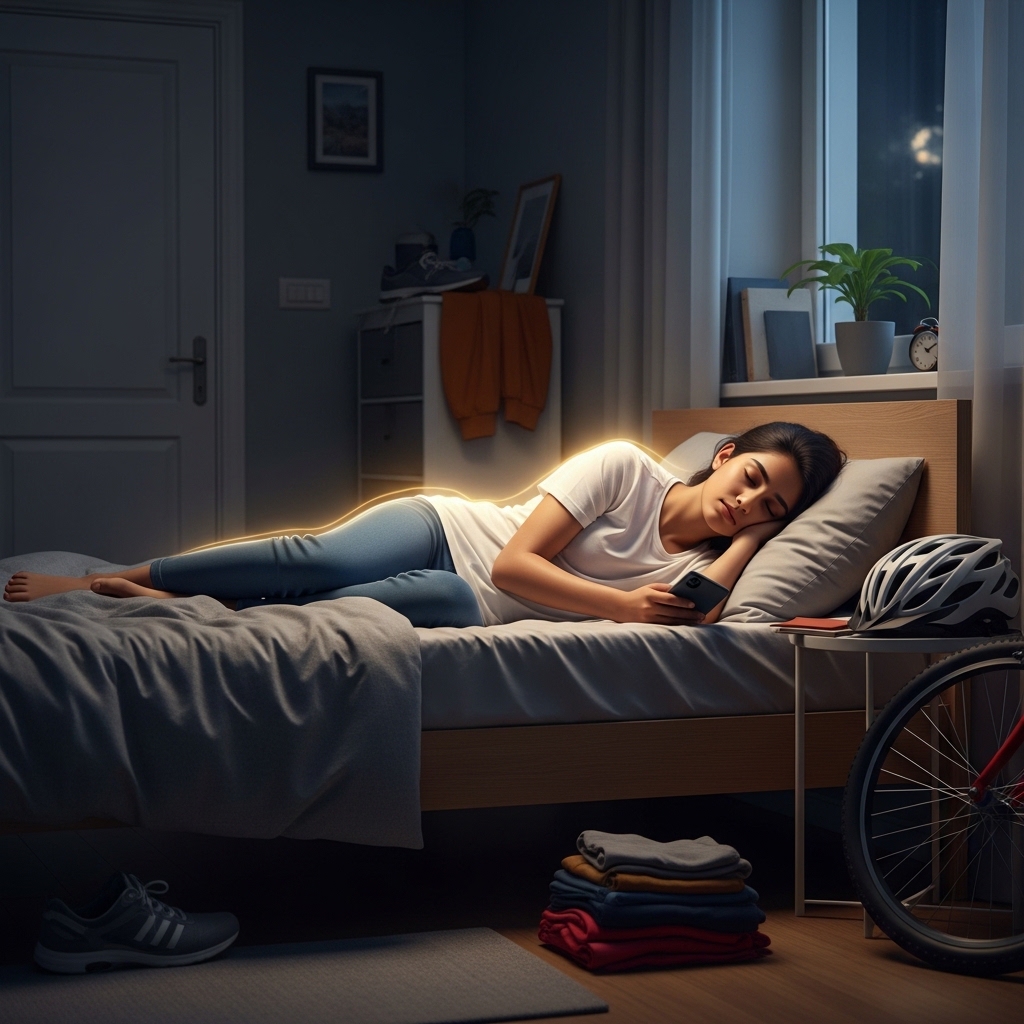
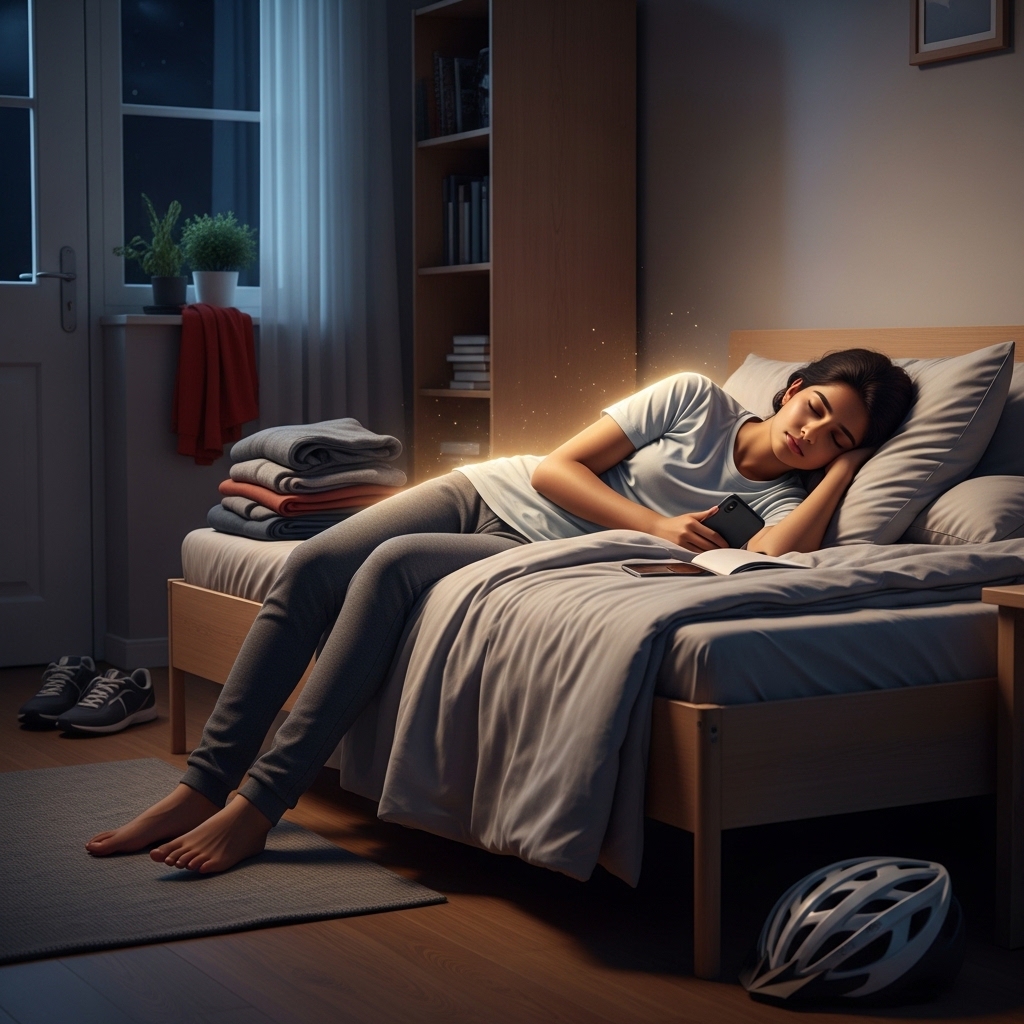
Blue light emitted from phones, tablets, and laptops interferes with the body’s natural sleep signals. Exposure to blue light in the evening suppresses melatonin release, the hormone that tells the brain it is time to sleep. When melatonin is delayed, falling asleep becomes harder—even if the body feels tired.
Social media adds another layer of disruption. Beyond the light itself, social platforms create emotional and cognitive stimulation through comparison, notifications, conversations, and constant novelty. This keeps the brain alert and emotionally engaged at a time when it should be winding down. Together, blue light exposure and emotional stimulation significantly delay sleep onset and reduce sleep quality, leading to lighter, less restorative rest.
The solution does not need to involve strict rules or conflict. Digital curfews, such as turning off devices one hour before bedtime, allow melatonin levels to rise naturally. Device-free bedrooms reduce late-night scrolling and nighttime notifications that fragment sleep. Most importantly, parental modeling—adults also reducing screen use in the evening—creates cooperation rather than resistance.
When teens understand the why behind screen limits and see healthy habits practiced around them, sleep improves without power struggles. Gentle structure and shared responsibility support better rest and stronger overall health.

Ruchira Darda
I am Ruchira Darda, a relationship coach, parenting expert, author, and entrepreneur with over 16 years of experience. Based in Mumbai, I work extensively in the areas of mindful living and emotional wellness. I am a TEDx speaker and focus on personality identification to help individuals and families build stronger, healthier relationships. I also lead and actively support initiatives such as the Lokmat MahaMarathon.