 1 min read
 Regular Physical Activity: Strengthening Body, Mind, and Confidence
Physical activity during adolescence supports mental health, academic focus, and self-esteem. This blog explores how consistent movement helps teens build strength, resilience, and emotional balance.




Regular Physical Activity
During the teenage years, physical changes accelerate and emotional pressures increase. Regular physical activity becomes a powerful tool for managing both physical growth and mental well-being. In 2026, encouraging movement as a daily habit can help teens develop lifelong wellness.
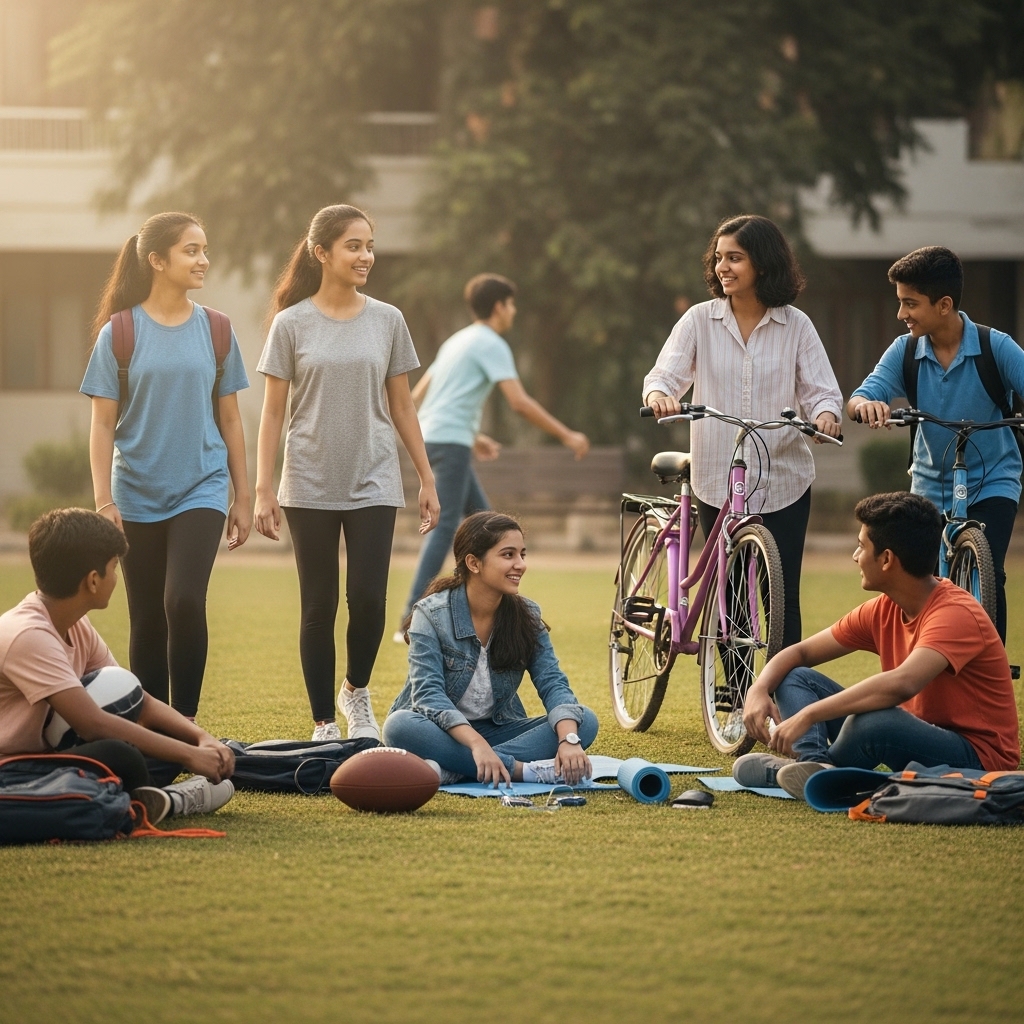
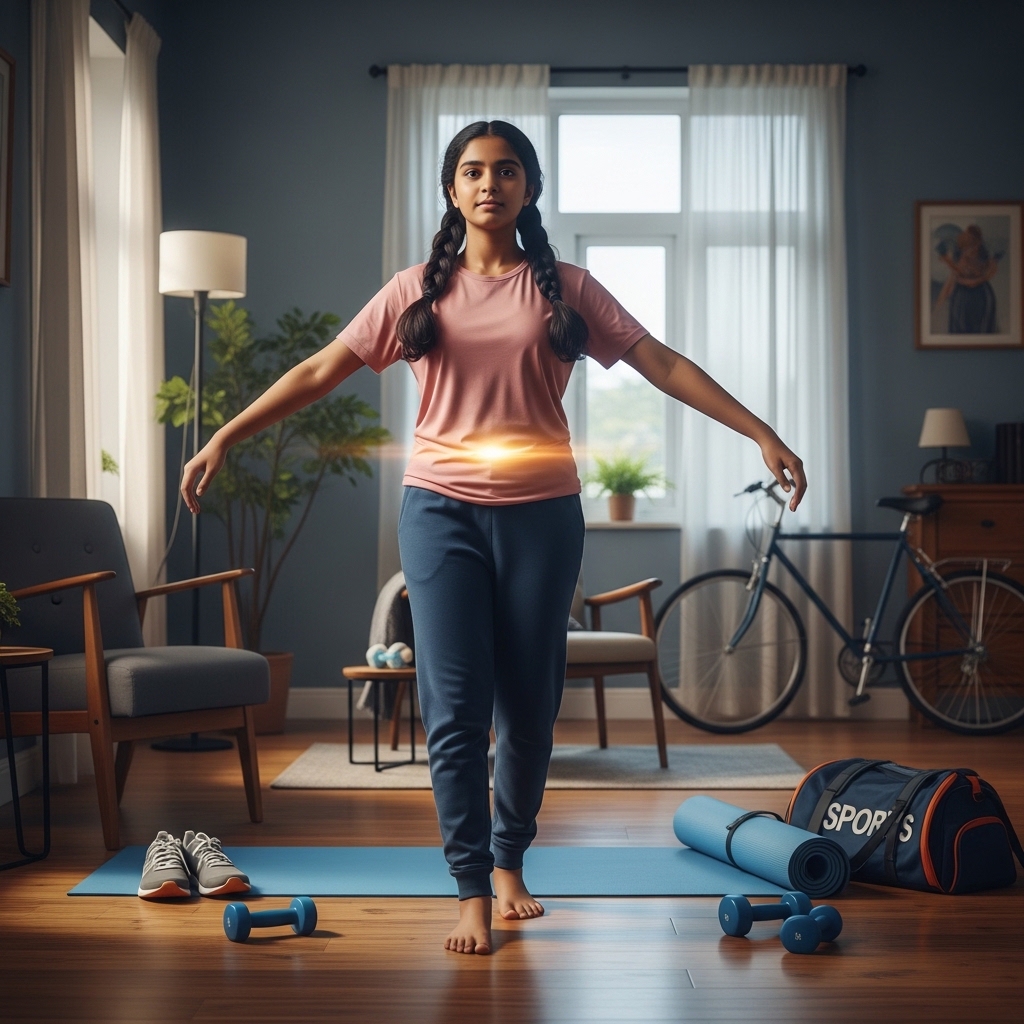
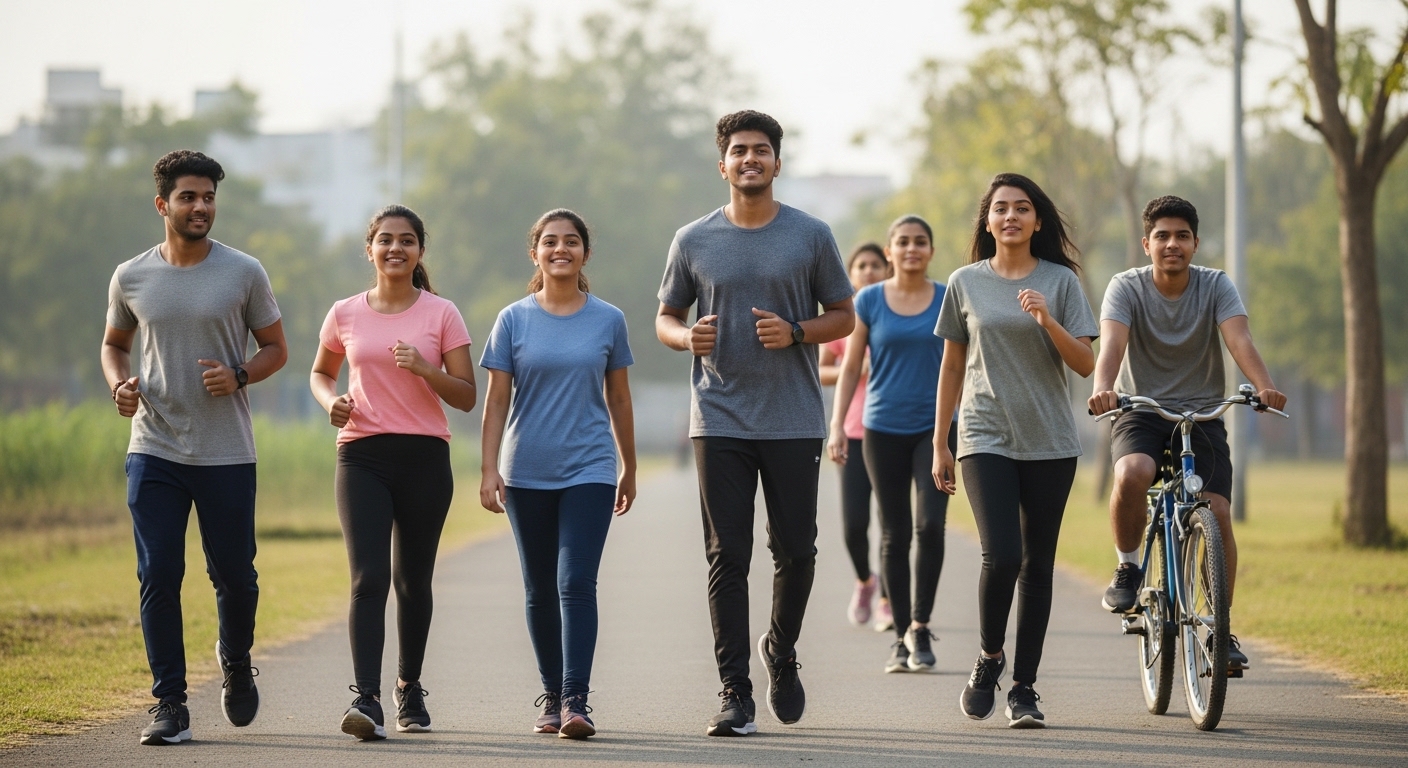
Exercise supports muscle development, bone density, and cardiovascular health. For adolescents experiencing rapid growth, movement also improves posture and coordination. Activities such as walking, cycling, team sports, yoga, or strength training all contribute to overall fitness.
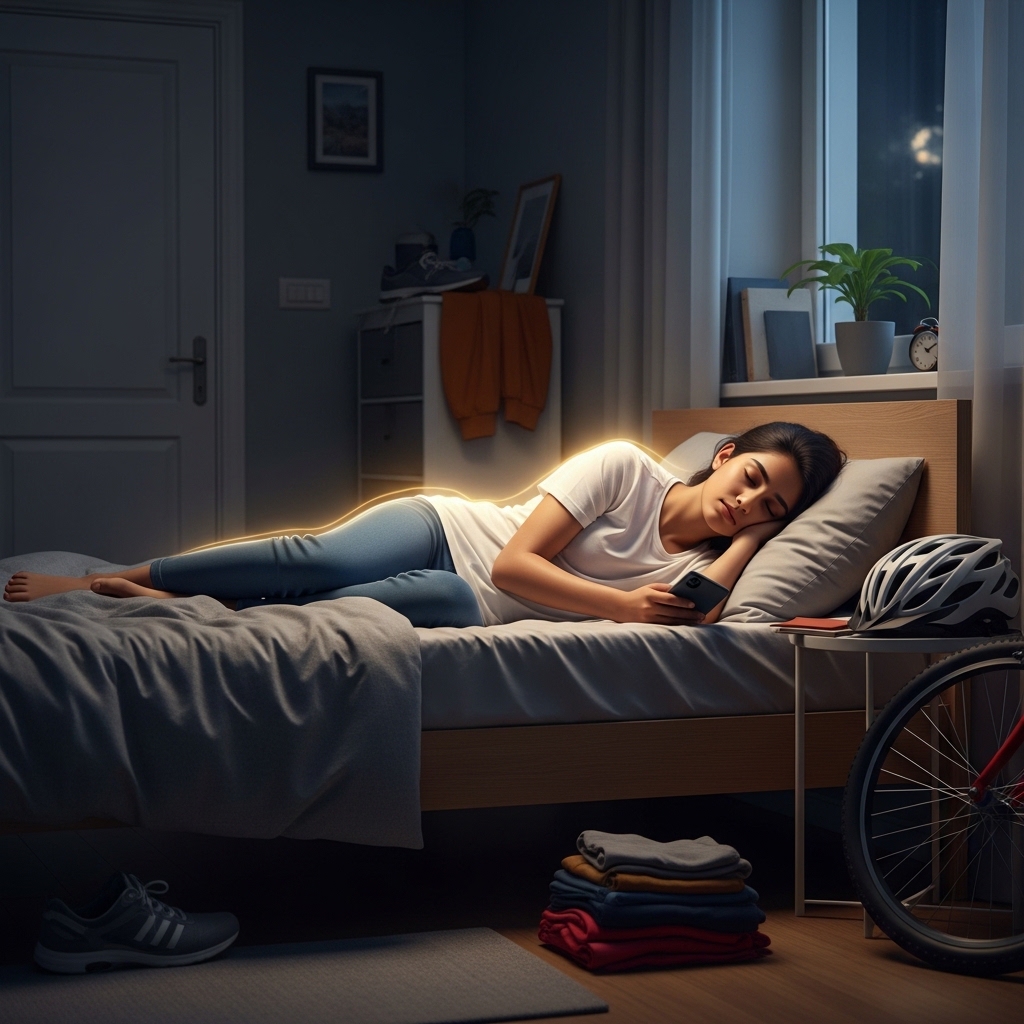
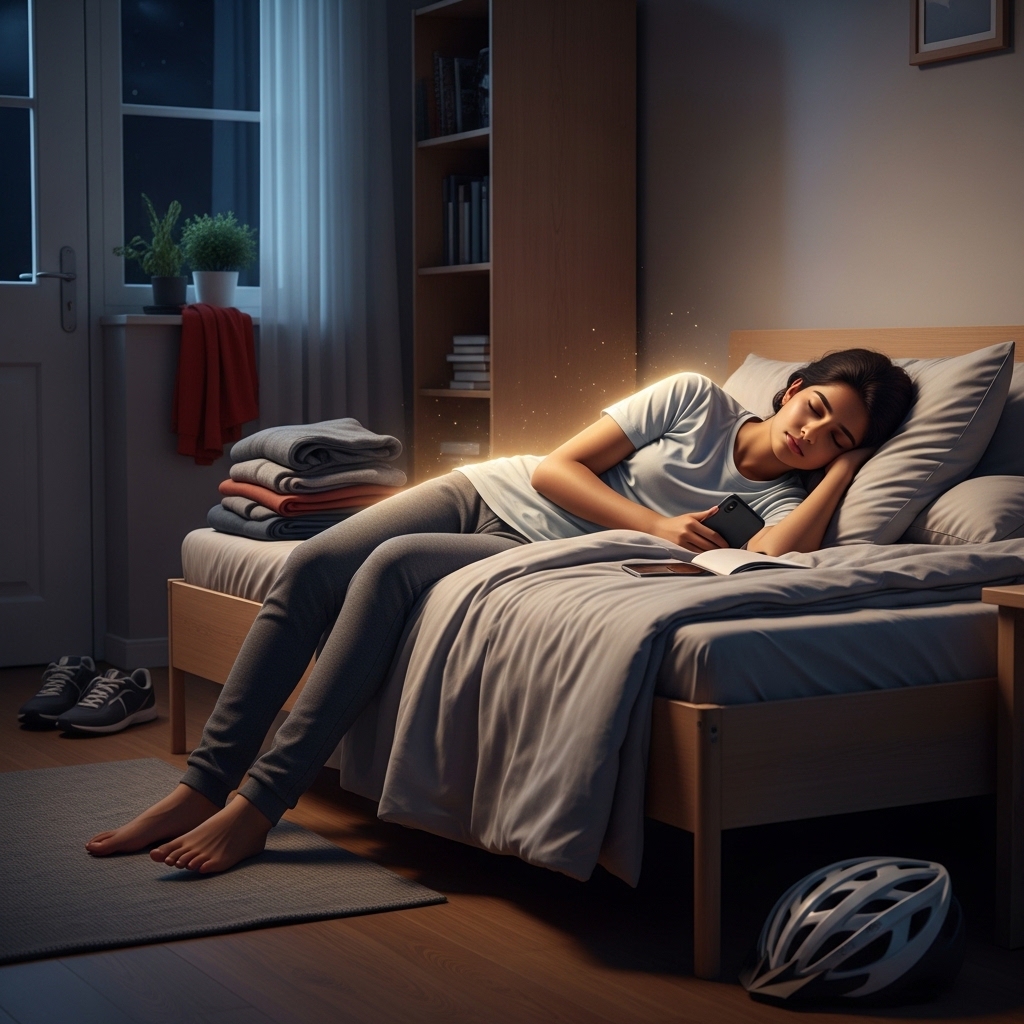
Beyond physical benefits, activity plays a major role in mental health. Exercise releases endorphins that reduce stress, anxiety, and low mood. Teens who stay active often report better sleep, improved concentration, and higher energy levels.
Physical activity also builds confidence and discipline. Setting small fitness goals teaches consistency and self-motivation. Teens learn that progress comes from effort, reinforcing resilience in both academics and personal challenges.
Socially, group sports or fitness classes strengthen teamwork and communication. Teens practice leadership, cooperation, and healthy competition — essential life skills.
Parents can support this habit by encouraging enjoyable activities rather than focusing solely on performance. Family walks, weekend hikes, or shared workouts make movement feel connected rather than compulsory.
Ultimately, regular activity teaches teens that caring for their bodies supports emotional strength and self-belief.

Ruchira Darda
I am Ruchira Darda, a relationship coach, parenting expert, author, and entrepreneur with over 16 years of experience. Based in Mumbai, I work extensively in the areas of mindful living and emotional wellness. I am a TEDx speaker and focus on personality identification to help individuals and families build stronger, healthier relationships. I also lead and actively support initiatives such as the Lokmat MahaMarathon.