 6 min read
 Indian Parenting in London: A Journey of Balancing Tradition, Modernity, and Love
Parenting, they say, is a rewarding but challenging journey. This becomes even more nuanced ....

Parenting, they say, is a rewarding but challenging journey. This becomes even more nuanced when you’re parenting in a culture different from where you were raised. As an Indian couple living in London for over a decade, our journey as parents has been one of self-discovery, balance, and the beautiful challenge of blending two worlds—our Indian heritage and the western lifestyle around us.
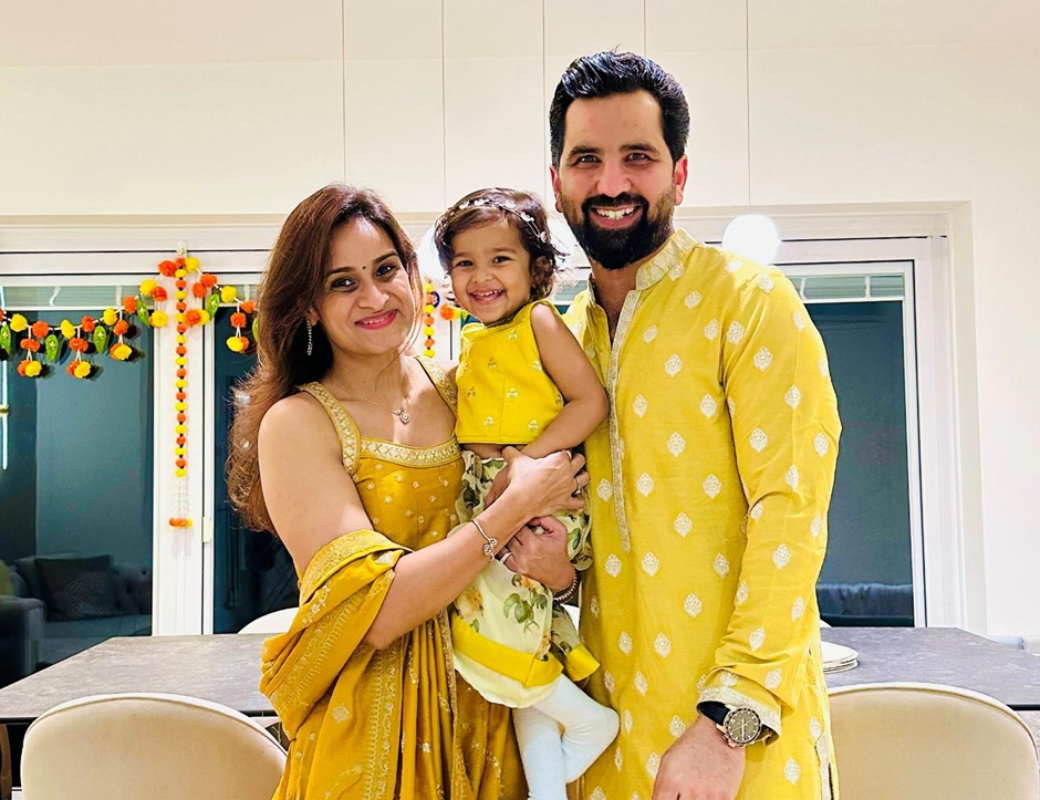
We, Richa and Shrenik, got married in 2022 after having built our lives here individually. We welcomed our daughter, Ishika, in May 2023—though not in London. We chose to have Ishika’s birth in India, not just out of sentiment, but with intention. For us, childbirth was more than a medical event; it was a celebration. We wanted it to be surrounded by family, infused with cultural traditions, and supported by the postnatal care we deeply trusted in India. The joy of sharing those first precious weeks with our loved ones mattered immensely—and it gave us a foundation of love and cultural continuity that we cherish even now.
Navigating Life as Working Parents in London
Living in London, we’ve had a front-row seat to the immense possibilities this city offers—careers, culture, opportunities—but also the challenges, especially as working parents. Both of us have demanding jobs and we’re constantly juggling meetings, deadlines, and the running of our home. Cooking, cleaning, grocery runs—it doesn’t “just happen” here, and because we don’t have the support system of extended family, we’ve learned to build our own rhythm.
Ishika joined nursery full-time at the age of two. From 8 AM to 6 PM, she is in a nurturing environment that gives her room to grow socially and emotionally. But that also means we have to be on point with drop-offs and pick-ups. Managing our work schedules around Ishika’s routine requires planning, flexibility, and mutual respect for each other’s commitments. Some mornings are difficult—say on a day when Ishika refuses to brush her teeth or insists on wearing her pink ballet shoes in the rain—but as parents, we’ve learned to choose patience over panic.
Evenings at home are sacred. No matter how busy the day has been, we dedicate those few hours to Ishika. Sometimes it’s playing, reading or dancing. But often, it’s also involving her in daily chores—simple things like adding clothes to the washing machine or helping chop a soft vegetable. These might be mundane tasks for us, but for her, they’re moments of joy and learning. And when she proudly declares, “Ishika did it!”—our hearts swell. It’s about empowering her, even in the small things. We make sure that we all have dinner together – that’s the most important time of the day!
She’s in bed by 8 PM and wakes up with the sunrise, around 6 AM. Some days are smooth, others less so, but that’s parenting—unpredictable, messy, and endlessly rewarding.
Weekends: For Exploration, Connection, and Community
Weekends are anything but slow in our household. Whether it’s swimming, ballet, or football, we’ve tried to expose Ishika to various activities since early on. Not because we want to push her, but because we want to see what sparks her curiosity—what lights up her eyes. We believe in giving her options, so she can eventually choose her passions.
Our weekends often include trips to a safari park or visits to child-friendly exhibitions. London is a city rich in experiences, and we’re grateful for the chance to give her that exposure. But weekends are also for the community. We meet friends with kids her age, attend birthday parties, and often, the house is filled with laughter, chaos, toys, and meals shared with fellow parents. These meet-ups are not just for the children—they’re our support system too. A reminder that even far from home, we’re part of something bigger.
Keeping Indian Culture Alive in London
One of our deepest intentions as parents is to raise Ishika with a strong sense of her Indian identity. For many living abroad, culture becomes something you “teach” your child—but for us, it’s something we live, daily.
Every morning, before leaving the house, we encourage her to join us in a small prayer. She may not understand the Sanskrit verses yet, but she understands the calm that comes with it. Festivals are a big affair at home. During Ganesh Chaturthi, we bring home Ganpati ji for seven days, complete with daily puja, bhajans, and friends dropping by. Diwali is lit with diyas, prayers, and homemade sweets. During Paryushan, we visit the Jain temple for all eight days, and for Navratri, we fast and join our Indian community to dance and celebrate.
These aren’t just rituals to pass on—they’re reminders of who we are, where we come from, and the values we hope to share with Ishika: gratitude, compassion, community, and devotion.
Food: Love, Culture and Nourishment
Food is one of the strongest threads tying us back to India. As a vegetarian family, introducing Ishika to Indian cuisine has been a joyful journey. From roti and subzi to dal, rice, and paneer—she tries it all. Thankfully, she loves food, especially when it's connected to a story—like how her nani makes the best halwa or how papa grew up eating fresh rotis at grandmother’s house.
Richa often makes homemade ice-cream using milk, dates, and dry fruits—no added sugar. It’s become a family favorite, and Ishika relishes it without the guilt of too much processed sweetness. We want her to develop wholesome eating habits, but we also want food to be joyful, not forced.
Gentle Parenting and Empathy
Ishika is forming her opinions quickly. Like most toddlers, she has moments of protest—from refusing certain foods to saying “no” to everything. In those moments, if we pause and listen. We try to treat her feelings with empathy, and instead of rushing to say “no,” we explain the “why” behind our requests.
Yes, there are limits—and we want her to understand boundaries—but we also want her to know that her thoughts matter. That she is heard.
Screen Time and the Digital World
In today’s world, parenting without screens is nearly impossible. We recognise the role screens play in learning, especially when used right. But we’re conscious about it. On weekdays, screen time is limited to 30 minutes; on weekends, it’s occasionally stretched to an hour—often as a family activity. She might watch a rhyme or a nature video or a cartoon. The goal is balance, not perfection.
Staying Connected to Family Back Home
Perhaps the most heart-wrenching aspect of raising a child abroad is the absence of family. Ishika doesn’t get to see her grandparents or cousins daily—but technology helps bridge that gap. We make it a point for her to video call her family in India regularly. She knows them by name and face, and even though she hasn't yet experienced their constant presence, we do everything we can to ensure she feels connected and loved by them.
One of the most touching things we’ve experienced is watching her talk to her grandparents with complete comfort, despite having seen them only a handful of times in person. That’s the beauty of technology combined with intention.
What Parenting in London Has Taught Us
- Flexibility is Key – Plans will change. The Zoom call might get interrupted. Dinner might be late. But flexibility is what keeps us sane.
- Quality Over Quantity – Especially with limited time on weekdays, we’ve learned that 30 minutes of focused, joyful activity with Ishika can have a bigger impact than hours spent together but distracted.
- Community Matters – Whether it’s sending messages to our parents or having chai with friends nearby, building a support system is essential.
- Culture Needs Action, Not Just Intention – Traditions live when practiced. And it’s up to us to create those childhood memories rooted in Indian values, even far from home.
- Every Family's Path is Unique – We’ve let go of comparisons—whether with parents back in India or those around us in London. Every child is unique, and every family functions differently.
Closing Thoughts
Being Indian parents in London is both a privilege and a challenge. There are days we crave the comfort of having family close by. There are days where the weight of responsibilities feels heavy. But then there are the moments—when Ishika sings a hindi rhyme she learned from her nani, or when she says “thank you” without being prompted, or when she proudly tells her daycare friends about Diwali—that remind us that we’re doing just fine.
We’re not raising an Indian child or a British child—we’re raising a global citizen grounded in love, empathy, and heritage.
And if there’s one thing we’ve learned, it’s that parenting is less about perfection and more about presence. Whether in Mumbai or London, whether at home or in the playground, the love we give and the values we live are what shape our children most deeply.
Every day, in small ways, we’re creating a world where Ishika feels confident, connected, and loved. And to us, that’s what parenting is all about.
Lots of love,
Richa, Shrenik & Ishika

Admin
Certified Relationship & Parent Coach, NLP Practitioner, author, and mindfulness advocate, passionate about helping individuals build stronger connections and lead fulfilling lives through self-awareness, empathy, and simple, mindful living