 1 min read
 Crossroads – Helping Teens Navigate Choices, Consequences, and Personal Values
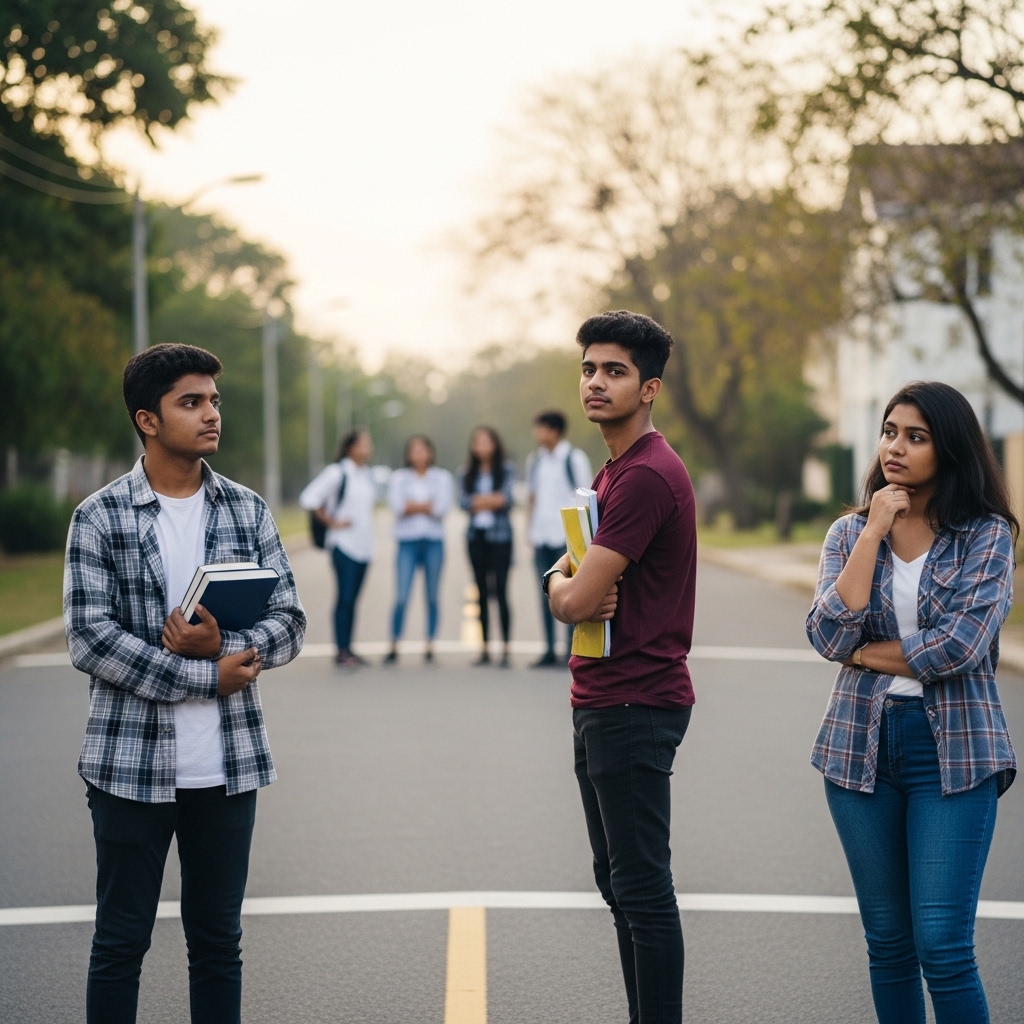
Crossroads is a realistic teen drama about decision-making, peer pressure, and personal responsibility. Designed for ages 11–19, the movie explores how everyday choices shape future paths. This parent-focused blog explains how the film supports critical thinking and value-based decision-making.




Crossroads
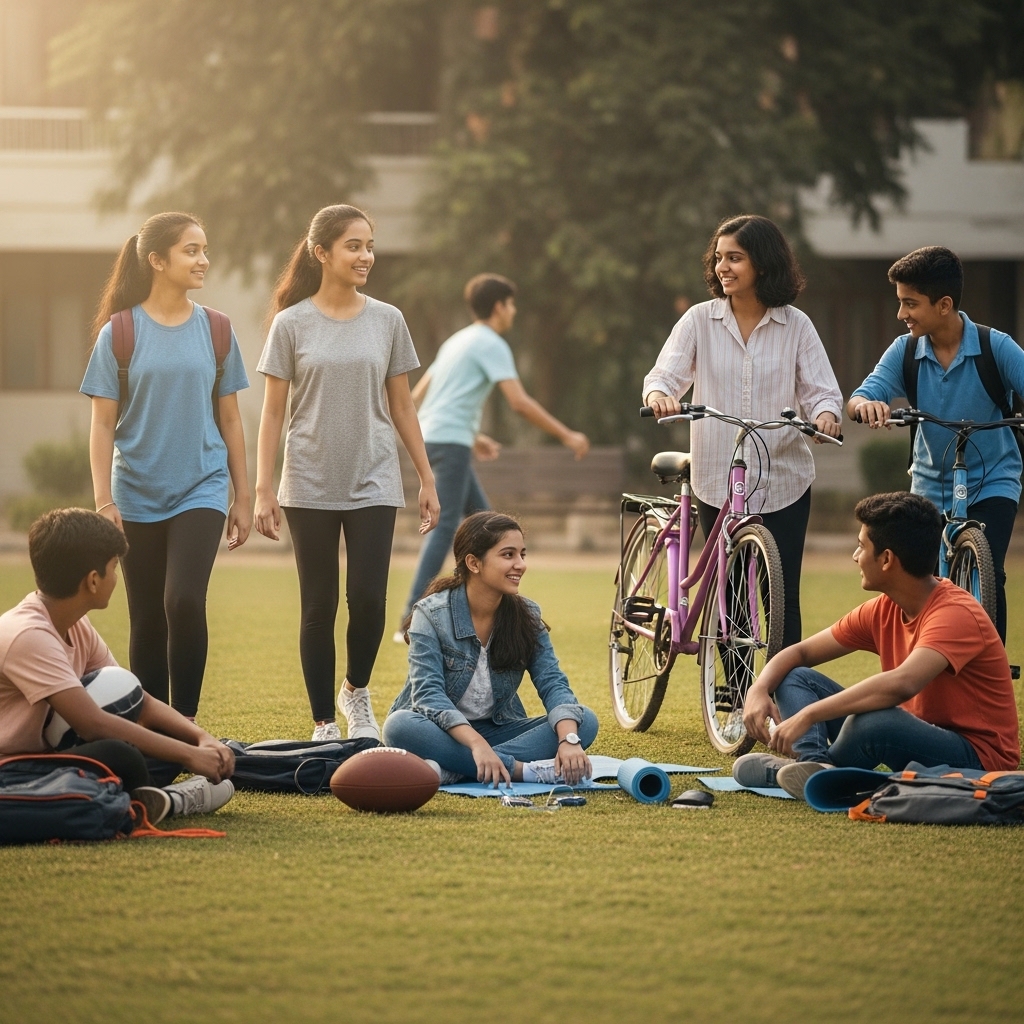
Adolescence is filled with important choices — academic, social, and personal. Crossroads captures this reality by following several teens facing different dilemmas that challenge their values.
The story weaves together multiple perspectives: one teen struggles with academic honesty, another with peer pressure, and another with family expectations. Each choice leads to consequences, encouraging viewers to reflect on their own decisions.
The film highlights accountability and responsibility. Teens learn that actions have impact, and avoiding problems only makes them bigger. This supports mature thinking and emotional growth.
Another strong theme is values and integrity. Characters who choose honesty and courage experience personal growth, even when those choices feel difficult. Adolescents learn that staying true to themselves builds long-term confidence.
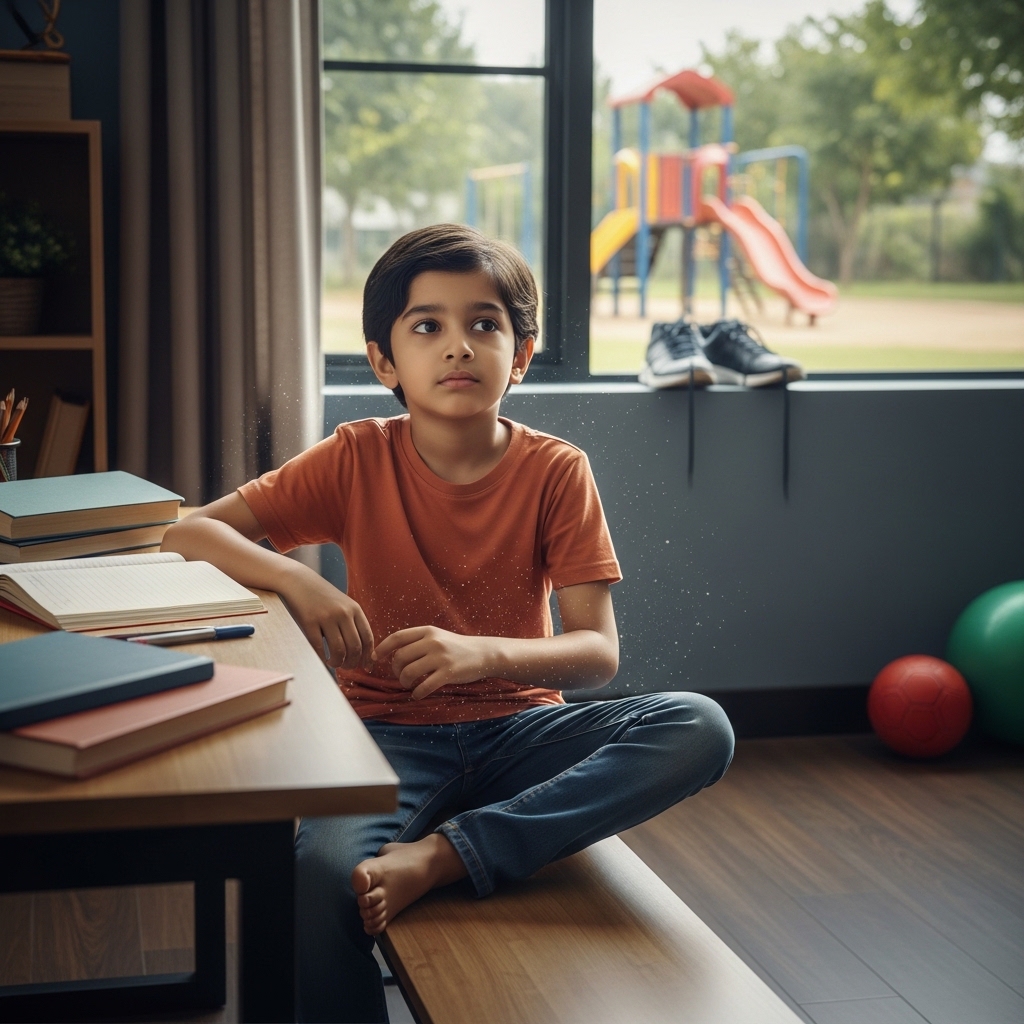
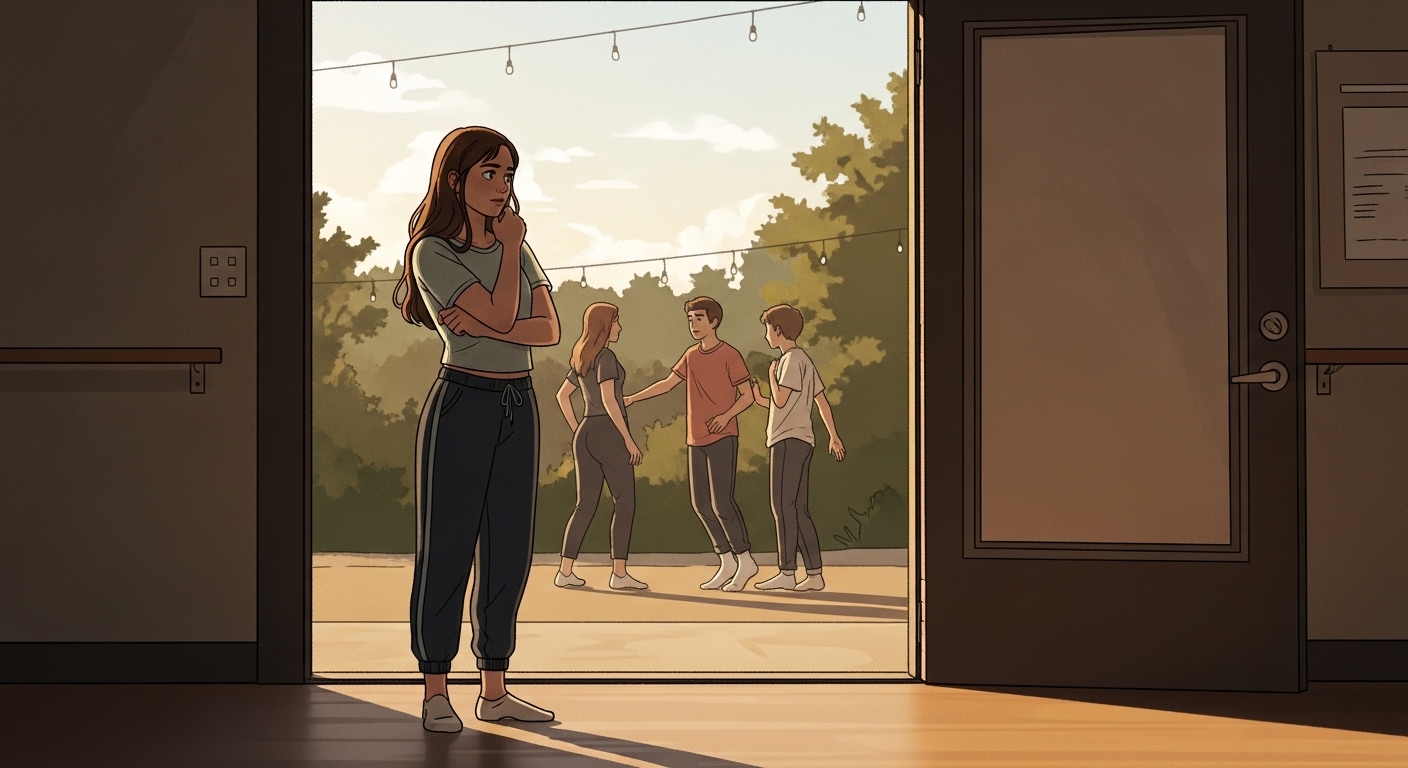
Emotionally, the movie supports self-awareness. Teens are encouraged to pause and think before acting, reinforcing mindfulness and thoughtful decision-making.
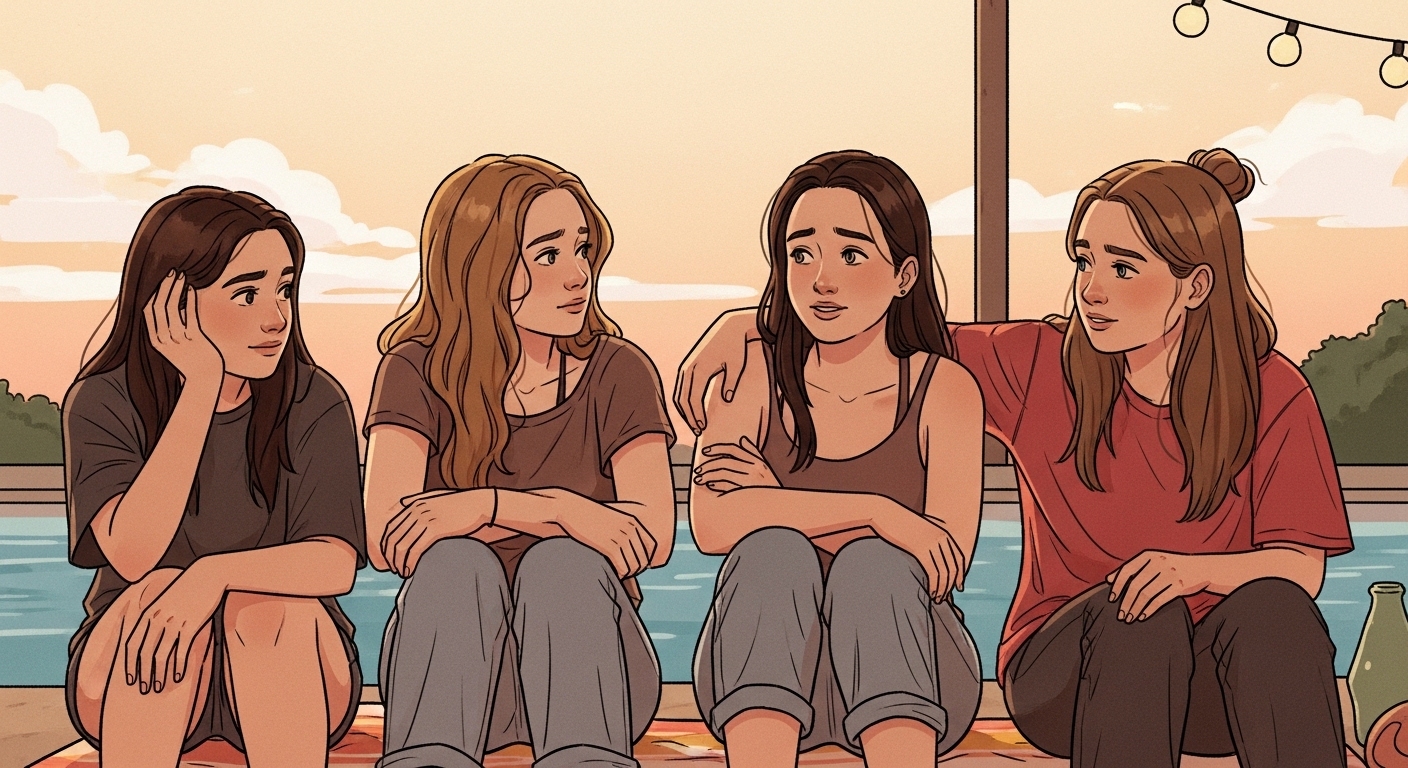
Parents can use Crossroads to discuss real-life situations such as peer influence and academic pressure. The movie offers a safe way to explore complex topics and build open communication.
Ultimately, Crossroads teaches that clarity comes from reflection, courage comes from values, and every choice shapes who we become.

Ruchira Darda
I am Ruchira Darda, a relationship coach, parenting expert, author, and entrepreneur with over 16 years of experience. Based in Mumbai, I work extensively in the areas of mindful living and emotional wellness. I am a TEDx speaker and focus on personality identification to help individuals and families build stronger, healthier relationships. I also lead and actively support initiatives such as the Lokmat MahaMarathon.